
Kyrgyzstan sees GDP growth and inflation both surge in double digits


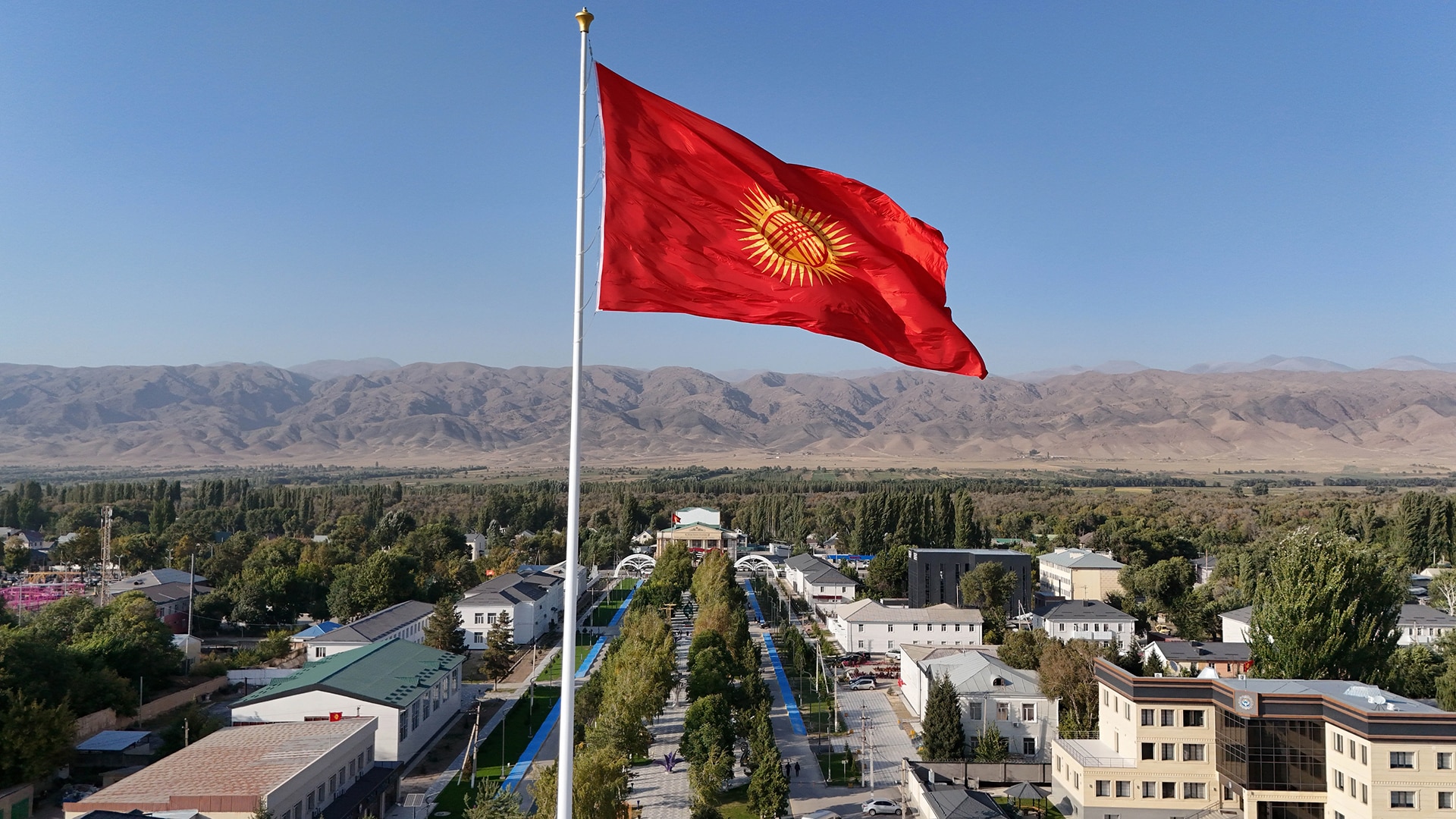
Kyrgyzstan’s economy and inflation are expanding at rapid double-digit rates as a massive construction boom and fiscal spending drive gross domestic product growth. In the first half of 2026, real GDP surged 11.3% year-over-year to 960 billion soms, or roughly $11 billion. This rapid expansion reflects a post-pandemic economic shift powered by sanctions-related re-exports to Russia, government formalization efforts, and rapid domestic credit expansion. S&P Global Ratings classified the national growth rate as very high while noting frequent upward historical revisions in official national accounts data.
Construction and infrastructure drive output
The construction sector served as the primary catalyst, with gross value added soaring 69.6% year-over-year. Capital investments expanded 64.3%, heavily supported by the state-owned State Mortgage Company. Shifting from partner-bank interest subsidies to direct construction and lease-to-own financing under its housing program, the state entity saw its equity base expand nearly eightfold to 113 billion soms following government capital injections.
Infrastructure investments also surged, led by the $4.7 billion China-Kyrgyzstan-Uzbekistan railway project funded partly through China Eximbank loans. Meanwhile, national rail operator Kyrgyz Railways completed the initial 64-kilometer phase of the state-funded Balykchy-Kochkor railway line to reduce domestic coal transport costs.
Manufacturing expands as light industry contracts
Industrial production rose 12.8%, anchored by a 15.1% gain in manufacturing. Non-metallic processing jumped 33.2%, fueled by a 40.4% surge in cement output to supply construction sites. However, light industry production dropped 12.2% after Russian authorities closed gray-market import loopholes, shuttering over 3,000 apparel workshops. Personal remittances fell 8.6% to $1.52 billion, pressuring household incomes in a nation where migrant earnings generate one-fifth of total labor income.
Zero real interest rate creates policy tension
Annual inflation reached 11.0% in June and could hit 15% by year-end, fueled by a 27.5% nominal wage increase and planned utility tariff hikes. With the central bank keeping its benchmark rate at 12.0%, the real interest rate dropped to zero. Despite IMF calls for monetary tightening, policymakers held rates steady to support ongoing economic growth. Moody’s upgraded Kyrgyzstan’s sovereign credit rating to B2, citing robust growth and falling debt-to-GDP ratios.
