
Kazakhstan and France scale up efforts to preserve Lake Balkhash


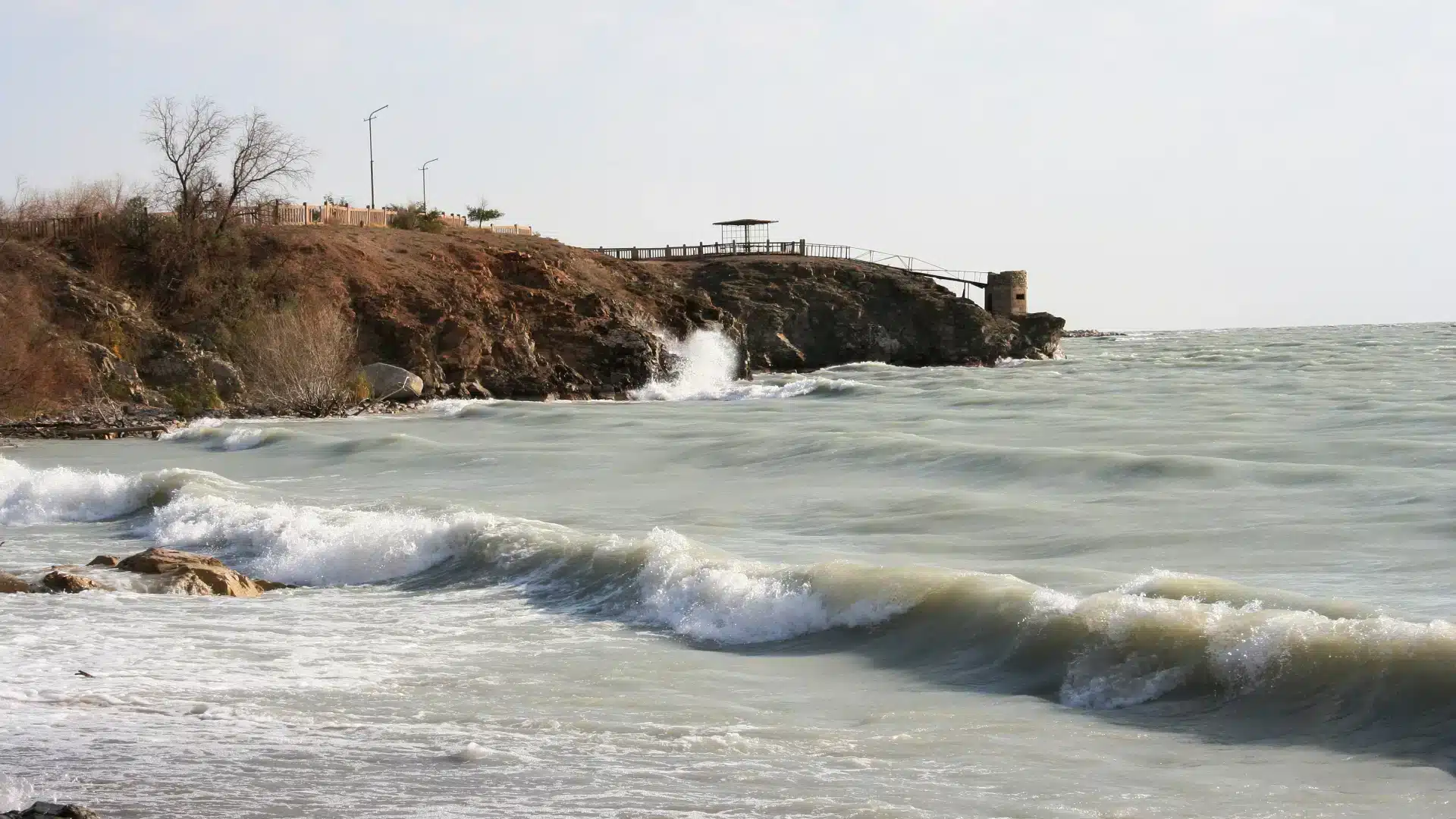
Kazakhstan, in collaboration with French specialists, is developing a master plan to preserve Lake Balkhash through 2040. Scientists have already completed the first round of field research.
According to Kazakhstan’s Ministry of Water Resources and Irrigation, approximately 40 billion cubic meters of water have flowed into Lake Balkhash over the past three years, helping stabilize its water level. Specifically, about 15.9 billion cubic meters entered the lake in 2024, followed by approximately 13.9 billion cubic meters in 2025. Since the beginning of 2026, more than 9.7 billion cubic meters of water have entered the lake.
The lake receives water from the Kapshagay Reservoir on the Ili River, which originates in neighboring China. This year, the reservoir reached 98% of its capacity, compared with 100% in each of the previous two years.
As Minister of Water Resources and Irrigation Nurzhan Nurzhigitov noted, water inflows from the Ili River remain at their long-term average level. This helps maintain Lake Balkhash at an optimal water level of 341 meters above sea level, as measured using the Baltic Height System.
«Furthermore, a master plan for the preservation of Lake Balkhash through 2040 is being developed in cooperation with French experts. Field research has been carried out, and the results are currently being analyzed,» Nurzhigitov said.
The study of the Lake Balkhash basin is being conducted jointly with the French Development Agency (AFD), the French Geological Survey (BRGM), and local specialists. The French side is currently gathering the necessary data. In particular, BRGM experts are planning a field visit to inspect wells, hydrological monitoring stations, and irrigated areas within the Lake Balkhash basin.
The roadmap outlines a comprehensive set of measures to assess the condition and quality of water resources in the Ili-Balkhash basin, including groundwater. It also calls for creating a digital platform to monitor water levels in Lake Balkhash and for automating and digitizing water bodies and key hydraulic infrastructure.
