
Timur Turlov unveils FIDE governance reform


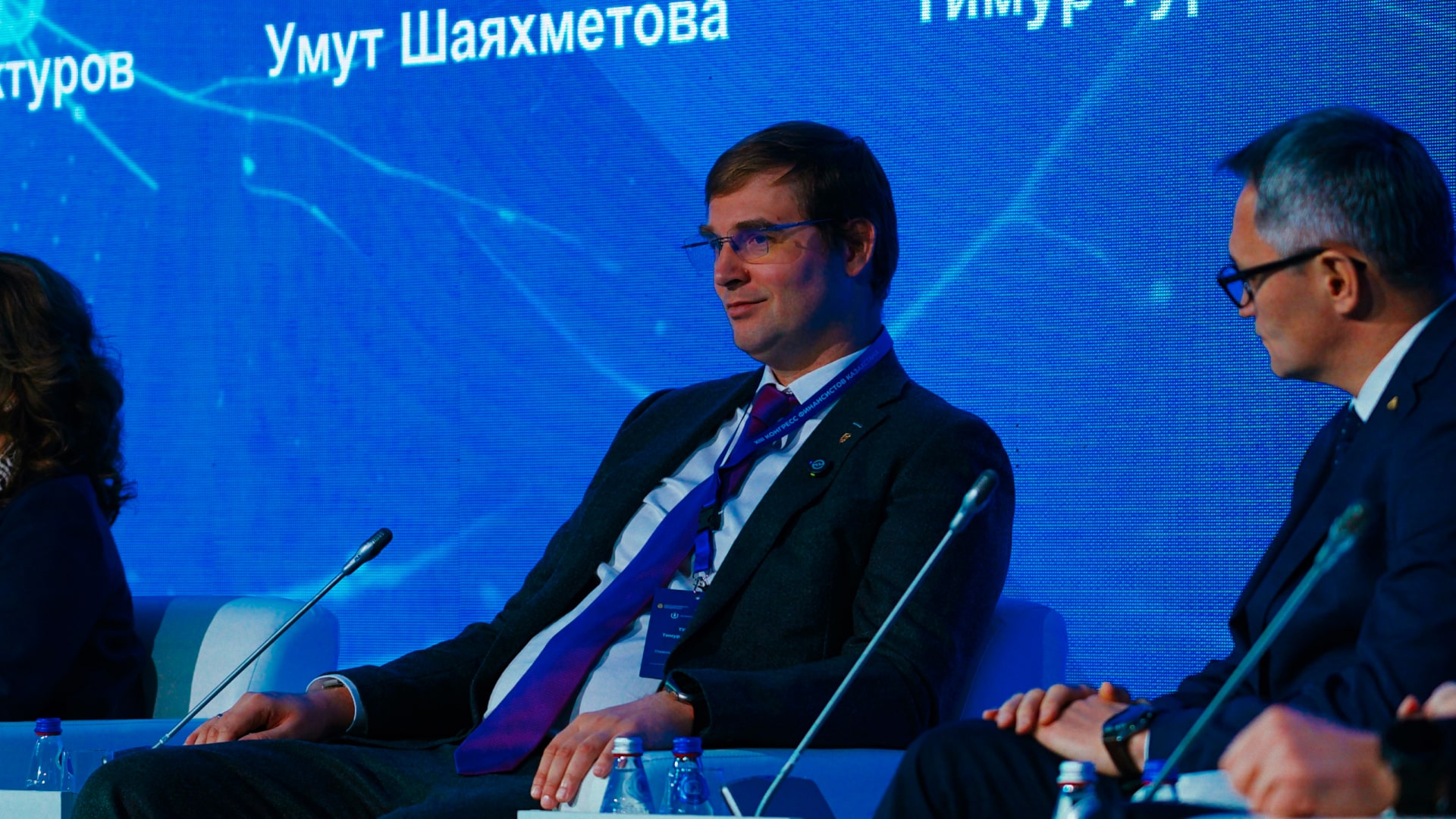
The International Chess Federation (FIDE) has approved a new organizational structure. FIDE President Timur Turlov announced a redistribution of authority between the governing bodies and administrative units.
In a statement published on the federation’s website, Turlov noted that FIDE is entering a new stage of development that requires changes to its governance system.
«When I announced my candidacy for FIDE President, I spoke about the need to take our organization to a new level. Today, I would like to present one of the first important steps in that direction – FIDE’s new organizational structure,» he said.
Allocation of authority
Under the new model, the General Assembly remains the highest governing body. The role of the FIDE Council will be expanded, with its members taking a more active part in determining strategic priorities and overseeing their implementation. A Governance Secretariat is being established to support the work of the governing bodies and commissions.
Personnel appointments
Adil Kozhikhov has been appointed head of the FIDE President’s Office. He previously served as an advisor to Turlov for several years. The office will oversee strategic priorities and major international projects.
Kazakhstani grandmaster Darmen Sadvakasov has been appointed to chair the newly established Advisory Board, which will consist of specialists with international experience in various fields. The board will contribute to the development of the federation’s long-term strategy and the evaluation of new initiatives.
Alina Dvoretskaya, formerly the director general of the International School Chess Federation (ISCF), took on the role of Secretary General of FIDE. She will manage the administration responsible for the federation’s day-to-day operations.
Turlov said that the federation’s team will comprise a mix of new and experienced staff.
«During my election campaign, I promised to bring new people into FIDE’s leadership. We are steadily fulfilling that commitment,» the FIDE president emphasized.
Reform goals
The changes focus on increasing transparency in decision-making, clearly defining areas of responsibility and ensuring continuity of the strategy regardless of changes in leadership.
Alongside governance reform, FIDE plans to expand support for national federations, develop chess education, attract international partners and introduce modern technologies.
Turlov described the new governance model as the foundation of the «New FIDE» concept. He said the reform’s effectiveness will be assessed by tangible outcomes for national federations and the global chess community.
The full statement is available on the FIDE website.
Timur Turlov’s election as FIDE president
On Sept. 26, Kazakhstan Chess Federation President and Freedom Holding Corp. CEO Timur Turlov was elected president of the International Chess Federation. The election took place in Samarkand, Uzbekistan, during the organization’s General Assembly. In the second round of voting, Turlov secured 110 of 196 votes. At the same time, five-time World Chess Champion Viswanathan Anand was elected deputy president.
As part of his election campaign, Turlov announced plans to invest more than $6 million in chess development and establish a special fund to support national federations. Key priorities of the new leadership include large-scale FIDE digitalization, the development of a modern digital platform, increased funding, and stronger marketing efforts. On Sept. 27, while speaking at the closing ceremony of the 46th World Chess Olympiad in Samarkand, Turlov identified including chess in the Olympic Games program as FIDE’s main long-term goal.
Kazakhstani President Kassym-Jomart Tokayev and Minister of Science and Higher Education Sayasat Nurbek congratulated Turlov on his election victory. On Oct. 7, Tokayev received the new FIDE president at Akorda. During the meeting, Tokayev noted that Turlov’s election reflects Kazakhstan’s growing standing in the international chess scene. He stressed the importance of strengthening national team training, developing regional infrastructure and training personnel, noting that more than 278,000 people in Kazakhstan regularly play chess.
