


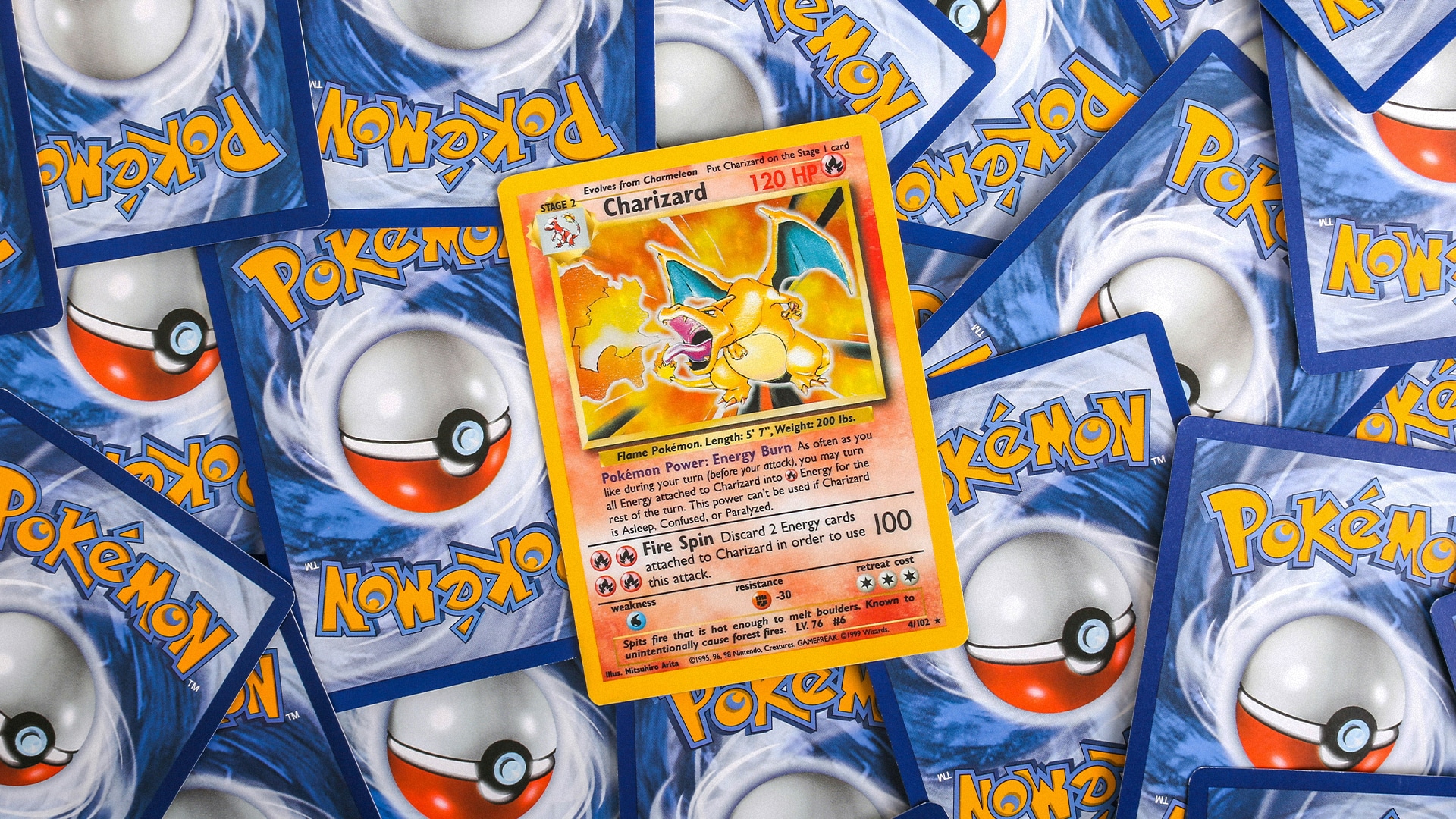
Vintage Pokémon collectible cards have risen 60% in value since the beginning of 2026, outperforming the stock market, Bitcoin and gold. Binance Research highlighted the trend in its weekly market commentary published on Oct. 26. Analysts attribute the price increase to the limited supply of older cards and the emergence of new ways to invest in collectibles.
For comparison, the CardTrack 100 index of collectible cards rose 52%, while modern Pokémon cards gained 21% and the S&P 500 increased by 11%. Bitcoin and gold have each lost 7% of their value since the beginning of the year.
Why older cards are gaining value
The main advantage of vintage cards is their limited supply, Binance noted. Before 2019, The Pokémon Company released between 1.5 billion and 2 billion cards annually. Current production stands at around 10 billion cards a year. Approximately 85 billion cards have been released in total, with two-thirds produced since 2019.
As a result, modern cards may rise sharply in price following the release of a new collection, only to lose value as supply increases. The number of older cards, by contrast, is finite, and the number of well-preserved specimens available on the market decreases over time. This makes cards in mint condition particularly valuable.
However, interest in vintage cards is growing beyond the collector community. Over the past year, crypto investors, investment funds and digital platforms have entered the market.
In February 2026, a rare Pokémon card sold at auction for a record $16.5 million. In March, a company listed on the Hong Kong Stock Exchange introduced a tokenized fund focused on collectible cards.
Platforms have also emerged that store physical cards in secure vaults and represent ownership rights through digital tokens. These tokens can be bought, sold or, under certain conditions, redeemed for the physical cards.
How digital platforms affect demand
Another segment is on-chain platforms, where users buy and open digital card packs. The combined fee revenue of two major platforms rose from $2.5 million in June 2025 to $20.5 million in June 2026.
These services generate additional demand for physical cards, as platforms must acquire the cards underlying their digital products. However, the sustainability of this demand depends on users’ continued interest in opening packs in the hope of obtaining rare cards.
Platform fee revenue fell by about a third over the summer but later began to recover. Binance Research analysts therefore recommend monitoring this revenue: another decline could signal weakening demand for collectible cards.
Will collectible cards become dependent on the crypto market?
Historically, the collectible card market has had little correlation with the stock market or cryptocurrencies. Over the past five years, the correlation between collectible card prices and Bitcoin stood at just 0.09, meaning the two assets’ prices rarely moved in sync.
However, as crypto investors enter the market, this independence may diminish. If a growing share of purchases is financed with crypto industry capital, collectible card prices could become more sensitive to crypto market fluctuations.
Similar developments are already affecting One Piece collectible cards, sports cards, watches and rare wines.
Analysts noted that the underlying principle is that limited supply and the ability to reliably verify an item’s authenticity increase its potential as an investment asset.
Previously, Kursiv.media reported that Kazakhstan could exempt individuals from paying taxes on income earned from digital-asset transactions on regulated platforms.
