
Kazakhstan weighs designated areas for legal street art


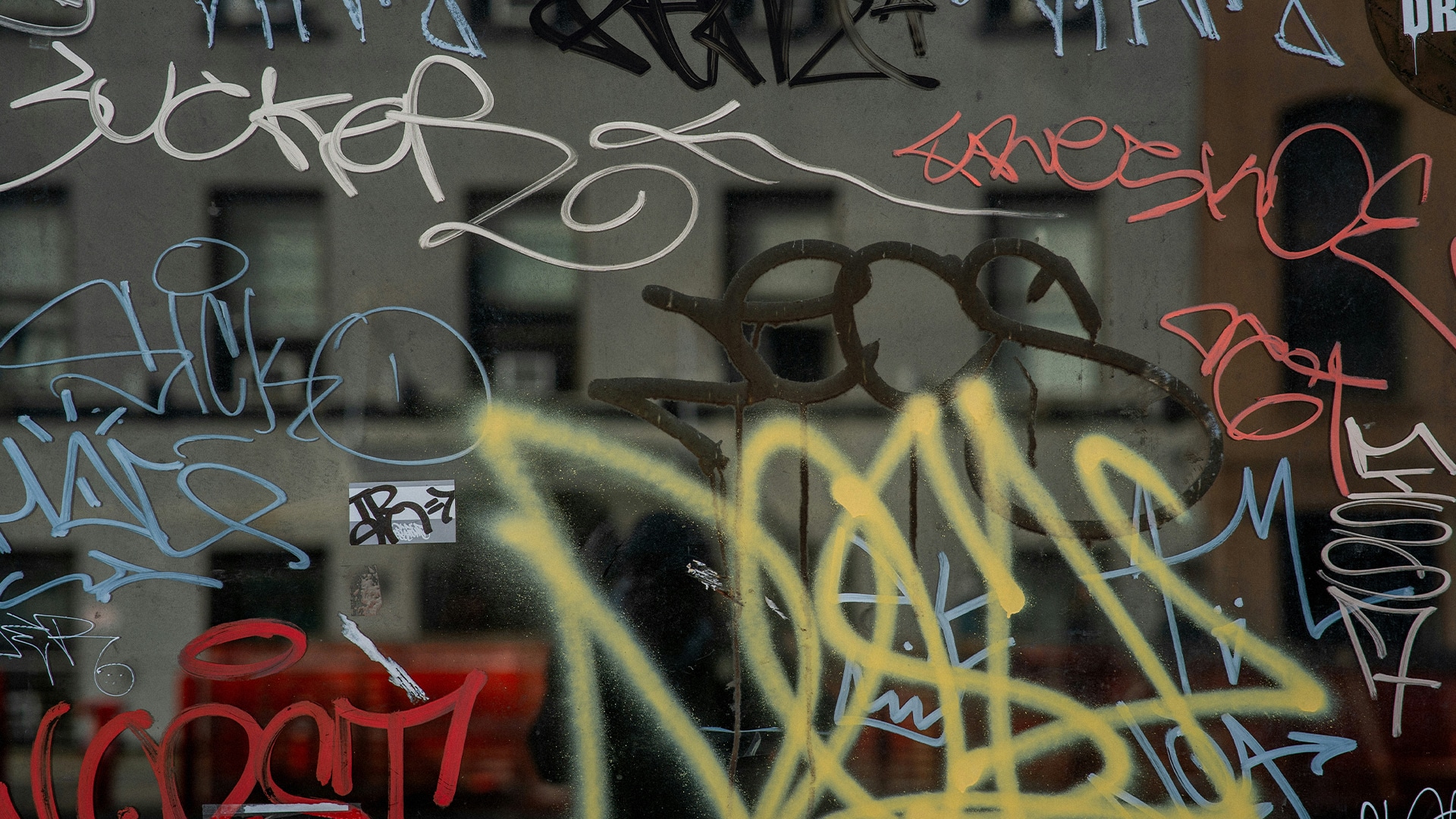
Kazakhstan is considering designating areas and walls where graffiti can be legally painted. Local authorities are working on the matter, according to Prime Minister Olzhas Bektenov’s response to a parliamentary inquiry.
The proposal is being discussed amid a crackdown on illegal graffiti on buildings and other public structures. According to the government, more than 20,000 instances of illegal graffiti have been recorded in Kazakhstan since the beginning of 2026.
However, the PM’s response does not specify which cities are expected to get designated street art walls or when they are planned to be set up.
How Kazakhstan is tackling illegal graffiti
Local authorities are currently setting up task forces to identify illegal graffiti and restore buildings and other structures to their original appearance.
Since the beginning of the year, more than 5,500 people have been held liable for violating urban maintenance regulations under Article 505 of Kazakhstan’s Code of Administrative Offences. However, the figure covers violations of urban maintenance rules in general, rather than graffiti-related offences alone.
In addition, during the reporting period, law enforcement authorities launched 12 pretrial investigations into vandalism and initiated 59 administrative proceedings over cases of cases of disorderly conduct.
Under current legislation, defacing historical and cultural monuments, as well as protected natural sites, may carry criminal liability. Meanwhile, writing or drawing on buildings, structures and other property in public places may result in administrative penalties.
At the same time, the government plans to pursue tougher administrative penalties and clearer legal distinctions between such offenses.
Smart cameras deployed to crack down on violations
In his response to MPs, Bektenov also reported on the development of the surveillance system being introduced jointly by the Interior Ministry and the National Security Committee.
The national video surveillance system is designed to use more than 48,000 smart cameras. These will work with government databases to identify people wanted by law enforcement or registered with the internal affairs authorities.
Meanwhile, government agencies are also working to prevent offenses among young people by raising awareness of the consequences of vandalism and other legal violations.
According to the government, more than 41,600 awareness-raising events have been held since the beginning of the year, reaching around 5.3 million students.
A complete ban on graffiti was once considered
On Sept. 19, President Kassym-Jomart Tokayev proposed a complete graffiti ban on public structures across Kazakhstan. He instructed Astana Mayor Zhenis Kassymbek to take strict measures against those who leave graffiti on public buildings.
On Sept. 23, MP Meirambai Kemalov proposed banning unauthorized graffiti on buildings and other public structures. At the same time, he supported setting up designated areas and walls for legal street art.
Kemalov also proposed using facial recognition cameras, drawing up maps highlighting areas more prone to vandalism and stepping up efforts to raise awareness among young people about its consequences.
