
Extreme weather risks expected to rise worldwide in 2027: What about Kazakhstan?


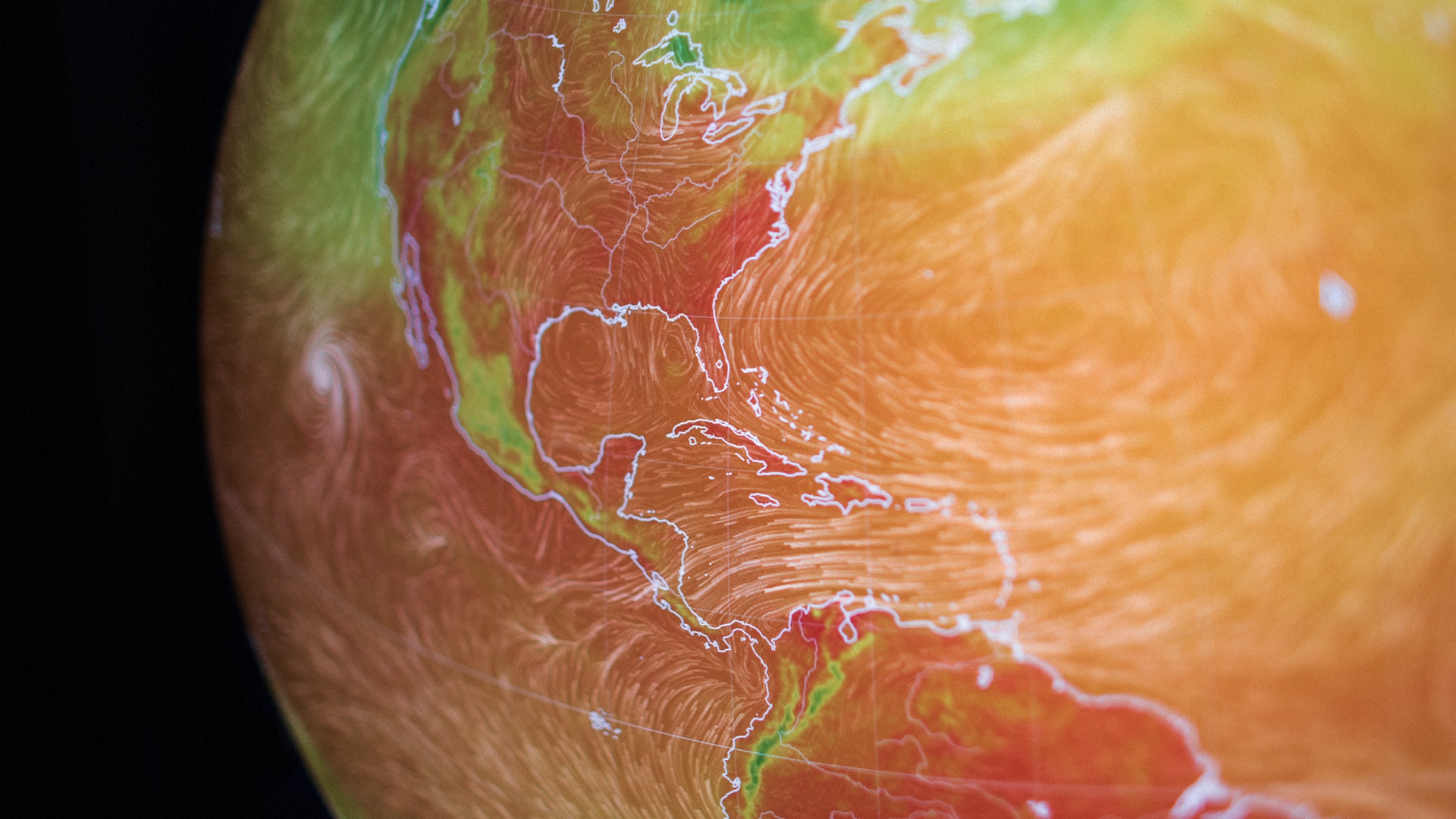
The World Meteorological Organization (WMO) warned that El Niño could increase the risk of extreme heat, drought and heavy rainfall in 2027. Meteorologists have also examined how the phenomenon affects weather in Kazakhstan.
The WMO’s updated report was presented on Nov. 9 at the UN Climate Change Conference (COP31) in Antalya, Turkey. According to the organization, El Niño has been intensifying since August and is expected to become the strongest on record by December.
El Niño occurs when surface waters in the tropical Pacific Ocean warm, affecting weather patterns in different parts of the world. In some regions, it can lead to more frequent droughts, while in others it can intensify rainfall.
«El Niño doesn’t add new heat to the planet. It releases heat from the ocean, which is the warmest ever measured. There is simply more heat available to release,» WMO Secretary-General Celeste Saulo said.
According to the organization, the global average surface temperature from January to September 2026 was 1.47°C above the pre-industrial average. The past 12 years have been the warmest on record, with the four most recent years ranking as the four warmest.
How El Niño affects Kazakhstan
Kazhydromet, the national weather monitoring service, previously analyzed meteorological observations from 1951 to 2025. Meteorologists identified a link between El Niño and precipitation levels during the cold season. The link was most pronounced in the Kyzylorda, Turkestan, Zhambyl, Almaty and Zhetisu regions. The relationship was weaker in northern regions.
At the same time, specialists found no consistent link between El Niño and air temperatures in Kazakhstan.
In a separate seasonal forecast, Kazhydromet said that the winter of 2026-2027 is expected to be warmer than average. Average temperatures may be around two degrees above normal in December, one to two degrees above normal in January and one to three degrees in February.
Cold spells, blizzards, strong winds and icy conditions are also expected during the winter. Above-average precipitation is forecast in some parts of the northern, northeastern and central regions.
What scientists are warning about
According to WMO, the world’s oceans absorb around 90% of the excess heat accumulating in Earth’s climate system. In 2026, ocean heat content is likely to reach a new record for the 10th consecutive year.
Glaciers are also continuing to lose mass. According to the organization, the ice they lost in 2025 would have been enough to fill five Olympic-sized swimming pools every second throughout the year.
Global mean sea level also reached a record high in 2026.
WMO will publish its final State of the Global Climate 2026 report in March 2027.
