


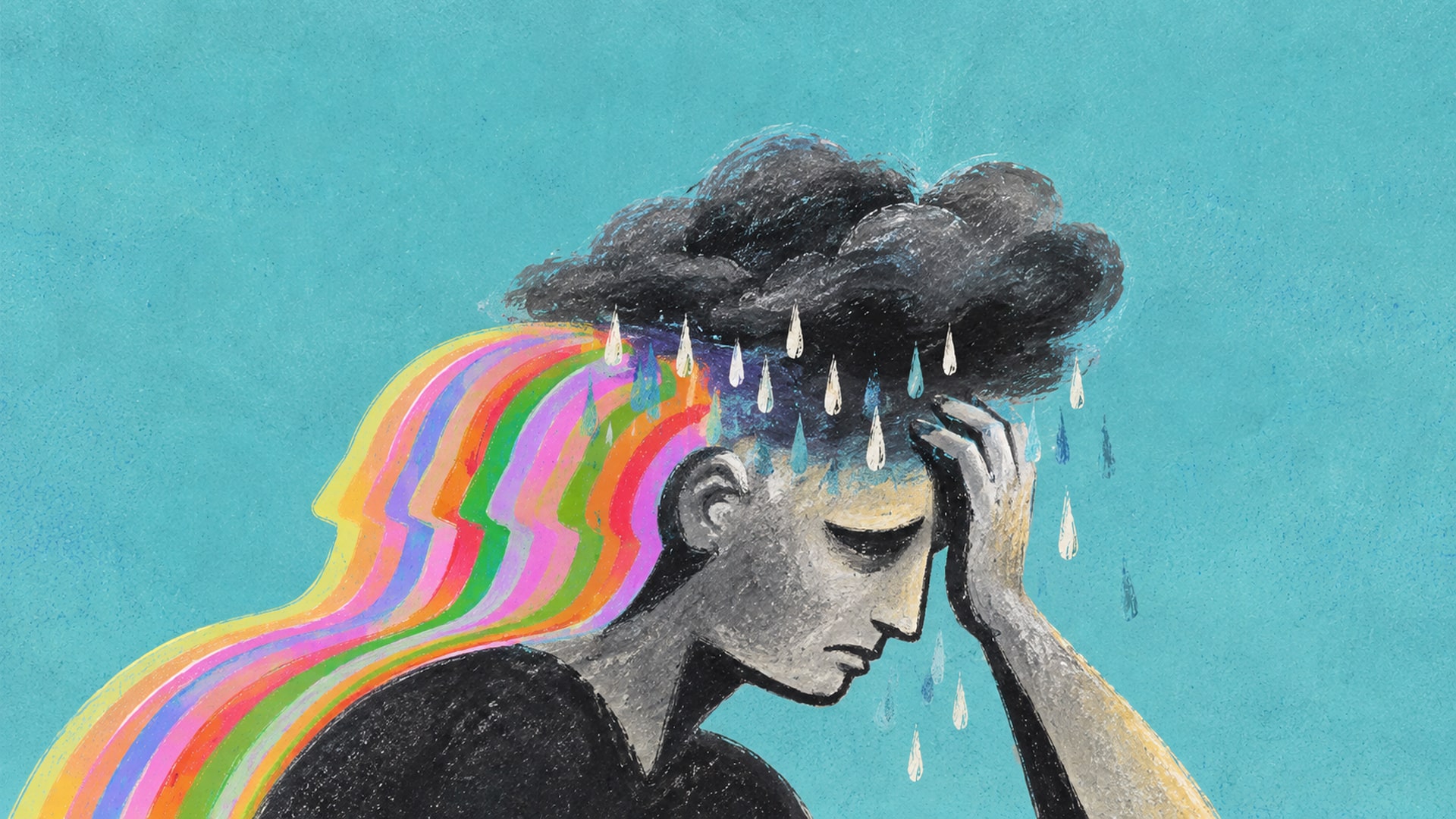
Common mental disorders are persisting longer among adults in the Netherlands, according to a new study. The share of people who continued to experience a disorder three years after their initial diagnosis rose from 42.7% to 57.9% over roughly 12 years. Researchers reached this conclusion by comparing data from two nationwide studies.
Participants were assessed at the beginning of each study and again three years later. This allowed researchers to track how long common mental disorders persisted and compare the findings with those from a decade earlier. The analysis covered anxiety disorders, mood disorders, including depression, and substance use disorders.
Mental disorders are becoming more persistent
The researchers found that common mental disorders were lasting longer. Among participants who had a disorder at the initial assessment, the proportion who continued to experience a common mental disorder three years later increased from 42.7% to 57.9%.
The proportion of people who continued to experience a disorder within the same diagnostic category also increased. For anxiety disorders, the rate rose from approximately 24% to 40%, while for mood disorders, it increased from about 34% to 49%.
Read also: Smog on the brain: How air pollution impacts mental health.

Longer-lasting conditions pose challenges for treatment
The authors noted that the growing persistence of mental disorders could not be fully explained by changes in the population’s age structure, income or living conditions. The findings point to another possible factor: people who develop a mental disorder may spend longer experiencing symptoms or recovering.
The researchers concluded that common mental disorders among adults in the Netherlands have become more persistent. However, the reasons for this trend remain unclear.
The findings suggest that mental health care providers may need to place greater emphasis on long-term patient monitoring and follow-up, rather than focusing primarily on diagnosis and short-term treatment.
