
AI leveled the field for non-native English speakers, but flaws matter


It is not only literary translators who argue that AI-generated writing lacks a human touch. Academics are making the same observation, as they face a growing volume of machine-generated content — from research papers to introductory emails sent by prospective graduate students seeking academic supervisors.
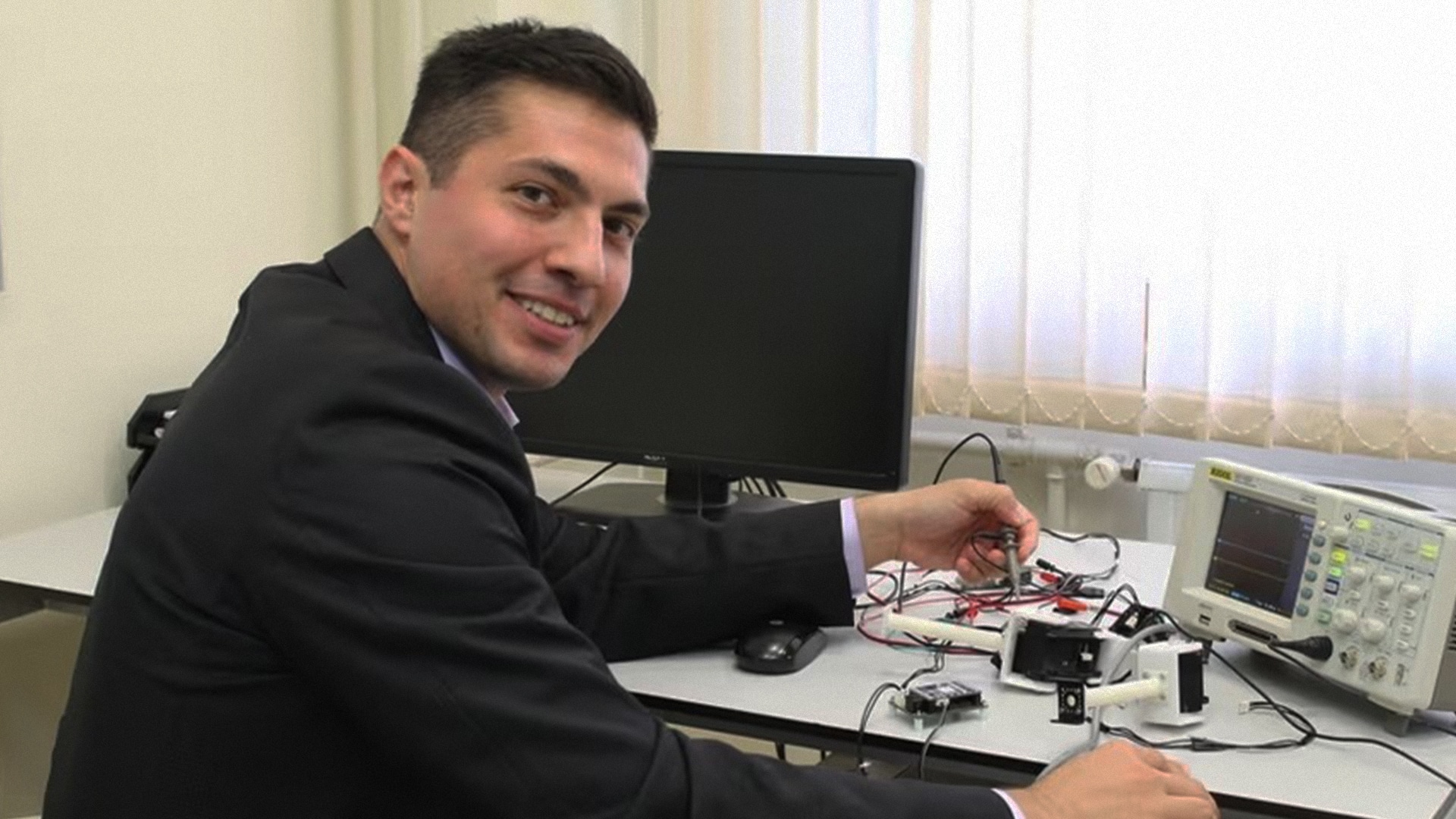
Atakan Varol, a professor at Nazarbayev University in Astana and dean of its School of Computing and Artificial Intelligence, recently highlighted this trend.
In a recent post, Varol recalled that the most impressive Ph.D. inquiry he had received that year contained typos — and that the errors had prompted him to arrange a meeting with the applicant.
Flawless vs. typos
He said he had initially been flattered by the surge in messages from prospective Ph.D. students, wondering whether his growing profile in the field or Nazarbayev University’s entry into the Times Higher Education top 400 had attracted the attention. Conversations with colleagues at other universities, however, made him realize that the trend was widespread.
According to Varol, the emails were almost invariably flawless. Applicants appeared to have read his papers, attached lengthy research proposals and requested meetings. He suspected that most had been generated by AI and sent automatically to hundreds of academics. Although he opened every message to give applicants a fair chance, he said he quickly dismissed those that were obviously AI-written.
One email, however, stood out. Its wording was awkward and included several typos, along with the natural imperfections typical of someone writing in English as a second language. Varol decided to meet the applicant online and found him to be a strong candidate and an engaging person. He said he would follow the applicant’s progress.
Reflecting on the encounter, Varol drew a connection to signaling theory, introduced by economist Michael Spence in 1973 and later recognized with a Nobel Prize. The theory explains how people establish trust in markets where information is imperfect: a signal is credible when it is difficult or costly to fake.
Varol argued that AI had made polished writing virtually free, changing the value of linguistic imperfections. When flawless prose can be generated at no cost, he suggested, mistakes may become a more convincing sign of human authorship. The applicant’s imperfect email had indicated that a real person had taken the time to write to him — and Varol had responded by offering his time in return.
He cautioned, however, that typos could also be deliberately imitated.
«…Typos can be faked too. His email only earned a conversation. The conversation is what no model could easily fake (yet).
There is an irony here. For decades, non-native speakers like him (and me) were penalized for imperfect English. AI finally leveled that field, and in doing so, erased the signal,» Varol noted.
The author contrasted the way large language models operate, predicting the next token based on probability, with what he described as a new marker of human authenticity: unexpected wording, slips and other quirks that suggest a person is behind the keyboard.

Read also: Scandal as a study guide: Why the Epstein files are a masterclass in IELTS vocabulary.
The experience reminded him of his own Ph.D. application statement 25 years earlier, in which he had mistakenly written «top-nudge university» instead of «top-notch university.» He observed that no AI model would be likely to predict «nudge» as the next word after «top.» What had been an embarrassing mistake at the time, he suggested, could now be seen as evidence of a real person’s presence.
Therefore, Varol advised prospective applicants to put away their chatbots and write in their own voices.
