


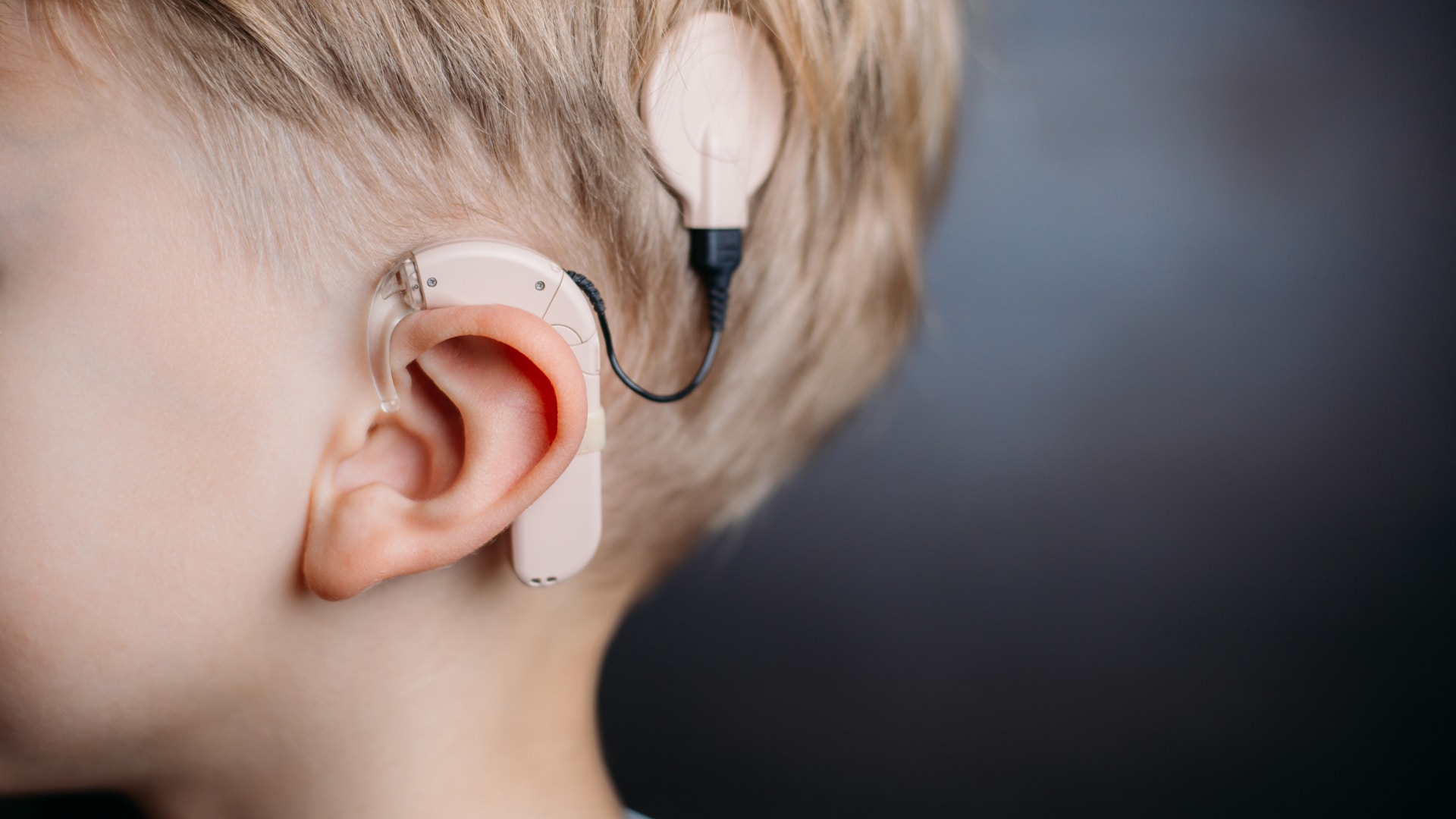
Kazakhstan is overhauling its approach to hearing and speech rehabilitation for children with cochlear implants, moving away from short-term courses toward a system of continuous, year-round support, the Ministry of Labor and Social Protection said.
The first pilot online course was launched this fall. From Oct. 1 to Nov. 1, it served 16 children ages 3 to 7 from nine regions of Kazakhstan, 12 of whom live in rural areas.
Read also: Kazakhstan and South Korea launch telemedicine center in Mangystau.
After cochlear implant surgery, children need regular practice to learn to recognize sounds, understand speech and eventually speak independently. For families in remote areas, however, frequent trips to specialists — including speech therapists, teachers of the deaf and special education professionals — can be extremely difficult.
The online program allows children to work with specialists remotely, eliminating the need for families to travel to major cities. Parents also play an active role, assisting specialists with their children’s rehabilitation.
How the program works
At the initial stage, a coordinator reviews each application and checks whether the family has a stable internet connection and the devices needed for online sessions.
A team of specialists, including a speech therapist, a teacher of the deaf and a psychologist, assesses the child’s needs and prepares an individualized rehabilitation plan by the end of the first week. A special education specialist or physical therapist may also join the team if necessary.
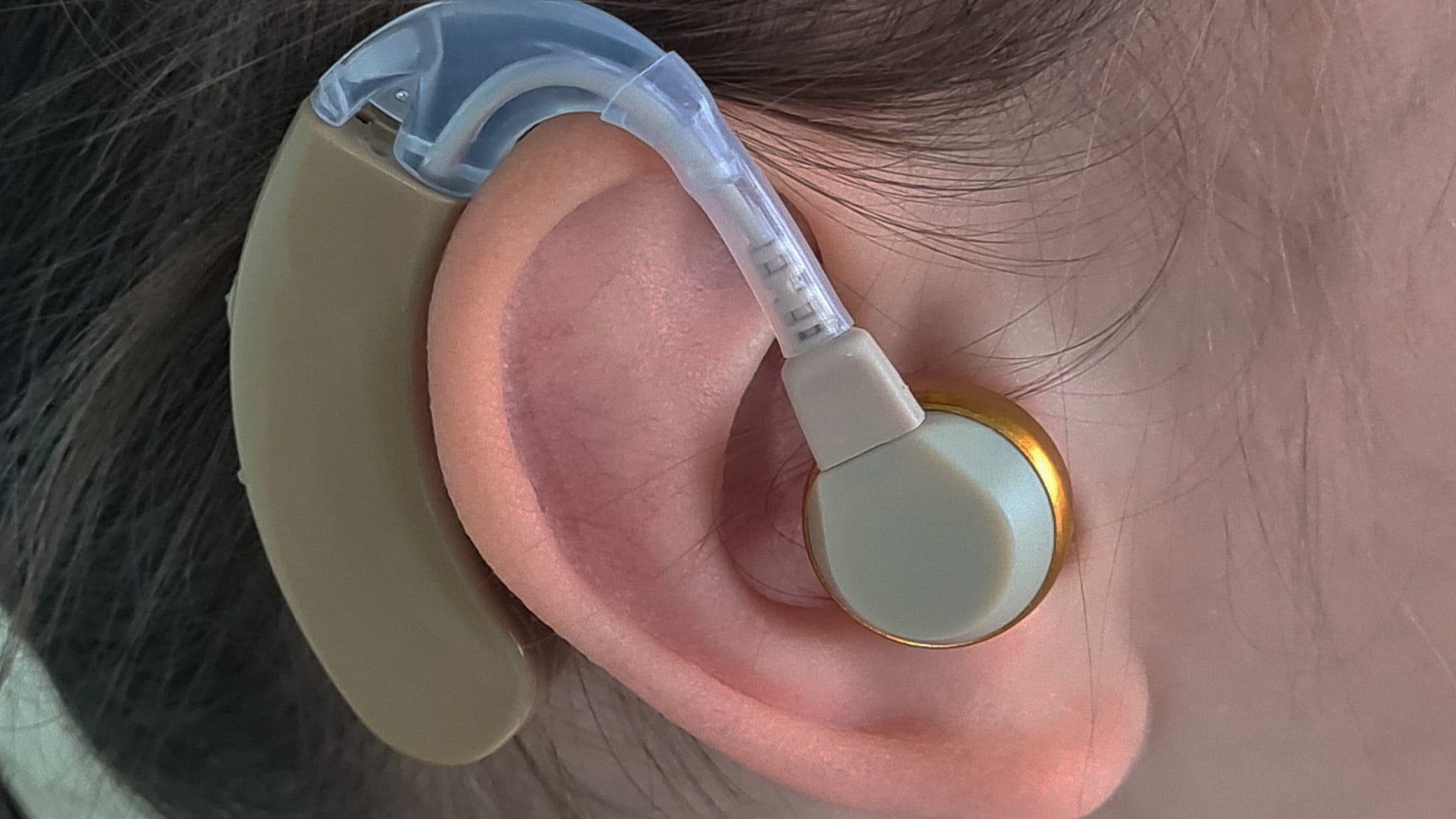
More than 200 cochlear implant surgeries are performed in Kazakhstan each year. Since 2007, more than 2,000 people in the country have undergone the procedure.
From the second week, children begin regular online sessions and receive assignments to complete at home.
The full program lasts one year and consists of four remote stages. Children who need additional support may be referred for a two-week intensive in-person course during the summer, between May and August. Online rehabilitation continues afterward.
Three levels of support
The frequency and intensity of sessions are tailored to each child and divided into three levels.
The supportive level is intended for children making steady progress who have already developed relatively strong speaking and listening skills. The active level is for children whose communication skills are still developing.
Children who make slower progress and need the most assistance are assigned to the intensive level. The program is flexible, however, and specialists can adjust the level of support after each interim assessment.
