
UN climate summit ends without deal after record-long negotiations

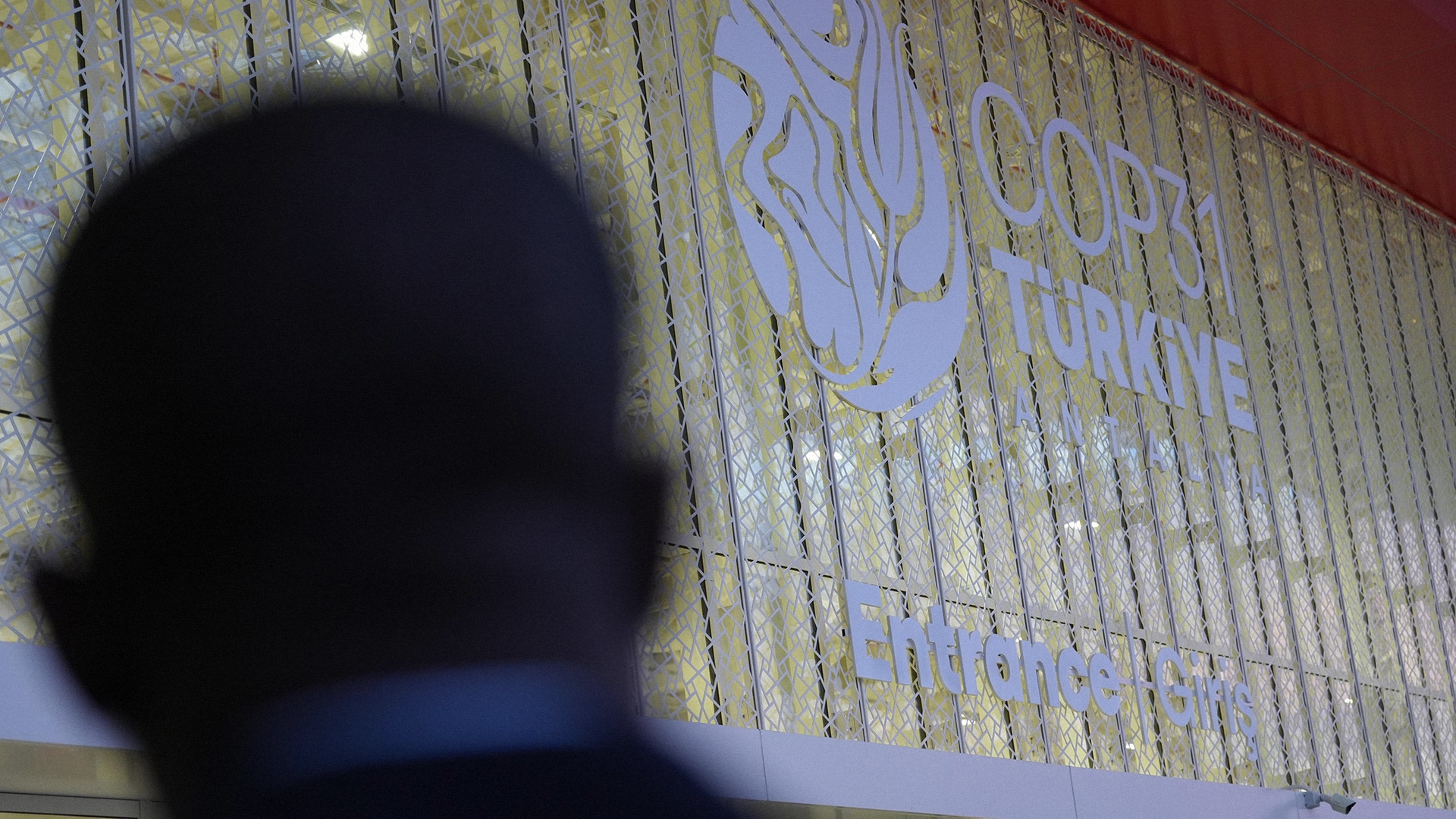
The UN COP31 climate summit in Antalya, Turkey, ended without a major agreement after record-long negotiations, highlighting persistent divisions over fossil fuels and climate financing, the BBC reported.
Originally scheduled to conclude on Friday, delegates extended negotiations through the weekend to reach a compromise, making the summit the longest climate conference in UN history.
One of the main obstacles was disagreement over fossil fuels. A draft text presented on Sunday omitted any explicit reference to coal, oil or gas, drawing objections from the EU and several other nations, including Panama and the Marshall Islands.
An earlier draft had included language on fossil fuels, but it faced pushback from oil-producing nations. Saudi Arabia pointed to the relatively small share of historical greenhouse gas emissions attributable to Arab states. At the same time, Russia warned that a rapid transition away from fossil fuels could worsen fuel poverty.
Climate financing to help developing countries adapt to rising temperatures and extreme weather was another major sticking point. Although nations agreed at COP30 in Brazil last year to triple adaptation funding, the proposed COP31 agreement contained neither specific figures nor a baseline for measuring that commitment.
Australian Prime Minister Anthony Albanese, whose country co-hosted the summit, attributed the failure to difficult geopolitical circumstances. Australian Minister for Climate Change and Energy Chris Bowen, who led the negotiations, added that some differences could not be bridged.
The deadlock has raised fresh questions about the effectiveness of the UN climate negotiation process, which relies on consensus among participating nations. The next UN climate summit, COP32, is scheduled to take place in Ethiopia in November 2027.
