


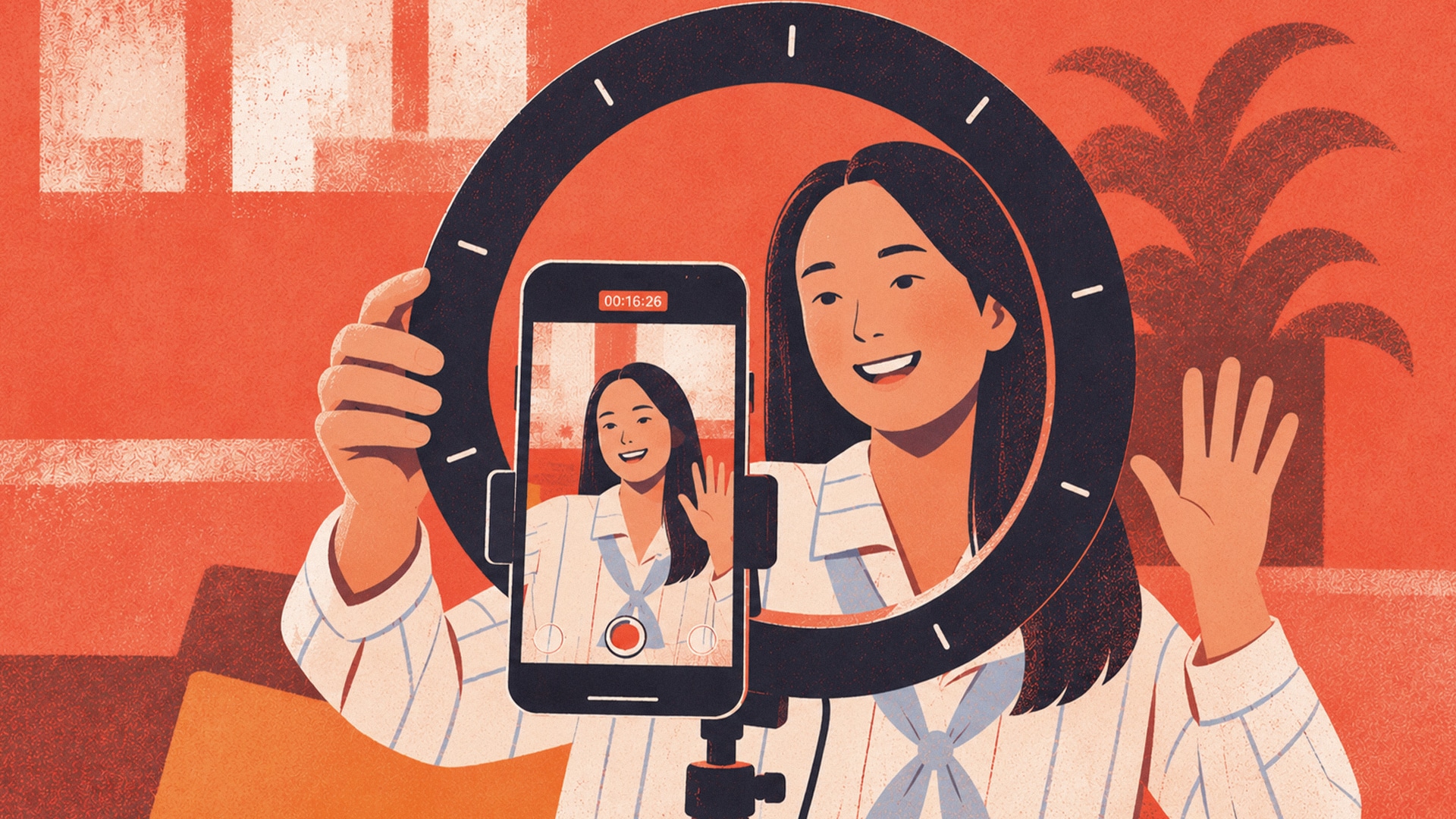
Kazakhstan plans to require bloggers and coaches who offer online courses to disclose their educational qualifications. The proposed rules would also cover tarot readers, fortune-tellers and psychics. The amendments were approved at a Nov. 18 meeting of the Kurultai, Kazakhstan’s parliament.
Selling online courses? Be prepared to show your credentials
Bloggers who teach their audiences how to make money, run a business or master a profession will be required to disclose their educational qualifications. These credentials must be supported by relevant diplomas or certificates.
The requirement would apply not only to paid online courses but also to other educational content published by creators on social media and online platforms.
Read also: AI is coming for fortune tellers: How tech is disrupting esoteric jobs.
The amendments do not explicitly prohibit people without formal qualifications from selling courses. Instead, they require creators to disclose their relevant educational backgrounds. Specific penalties for failing to comply have not yet been established.
Fortune-telling allowed, but with a disclaimer
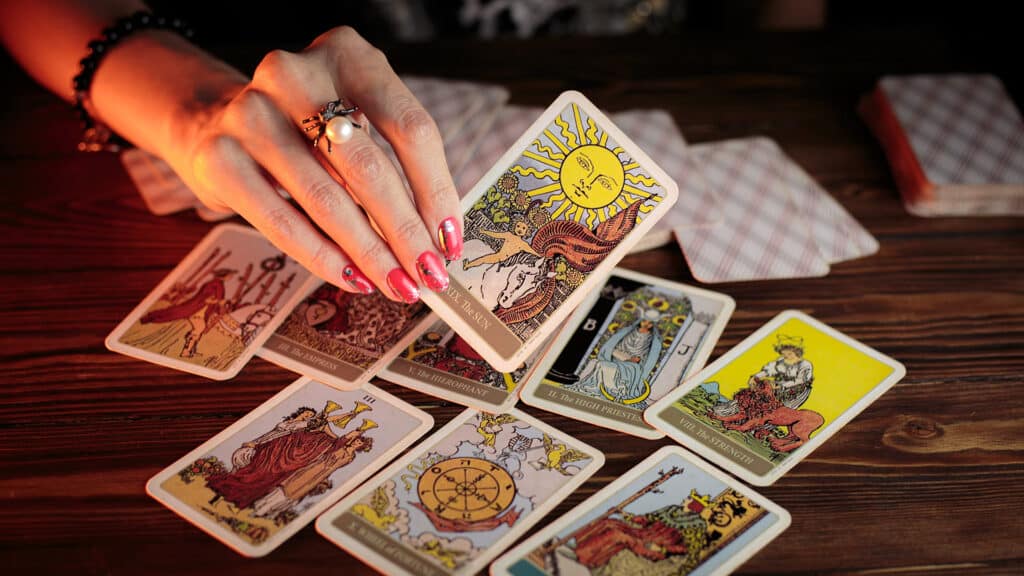
The proposed regulations also cover tarot readers, fortune-tellers and psychics. The legislation introduces the term «occult services,» referring to services based on supernatural abilities or methods that lack scientific validation.
Providers of such services will have to inform their audiences that the content is intended for entertainment purposes only and has no scientific or practical basis.
For example, tarot readings and predictions about the future will have to carry an appropriate disclaimer. The amendments do not ban fortune-telling or other esoteric practices themselves.
Read also: Kazakhstan considers licenses for fortune tellers.

Social media users with more than 5,000 followers may enter a registry
Another proposed measure concerns social media users with audiences exceeding 5,000 followers. The government agency responsible for overseeing the sector would be authorized to maintain a registry of these users.
The draft legislation also proposes prohibiting children under 16 from registering on social media platforms.
The new requirements are not yet in force. The amendments must still pass the remaining stages of the legislative process before they can take effect.
Previous discussions about regulating coaches and online courses
The government has been considering tighter oversight of online education and coaching services for some time.
In February 2026, Prime Minister Olzhas Bektenov announced plans to require bloggers to disclose information about their professional education.
In May 2026, Yevgeniy Kochetov, who was then serving as deputy minister of culture and information, said the authorities were also discussing the creation of a unified registry of psychologists and coaches. The proposed registry would allow clients to check specialists’ educational credentials before paying for their services.
