


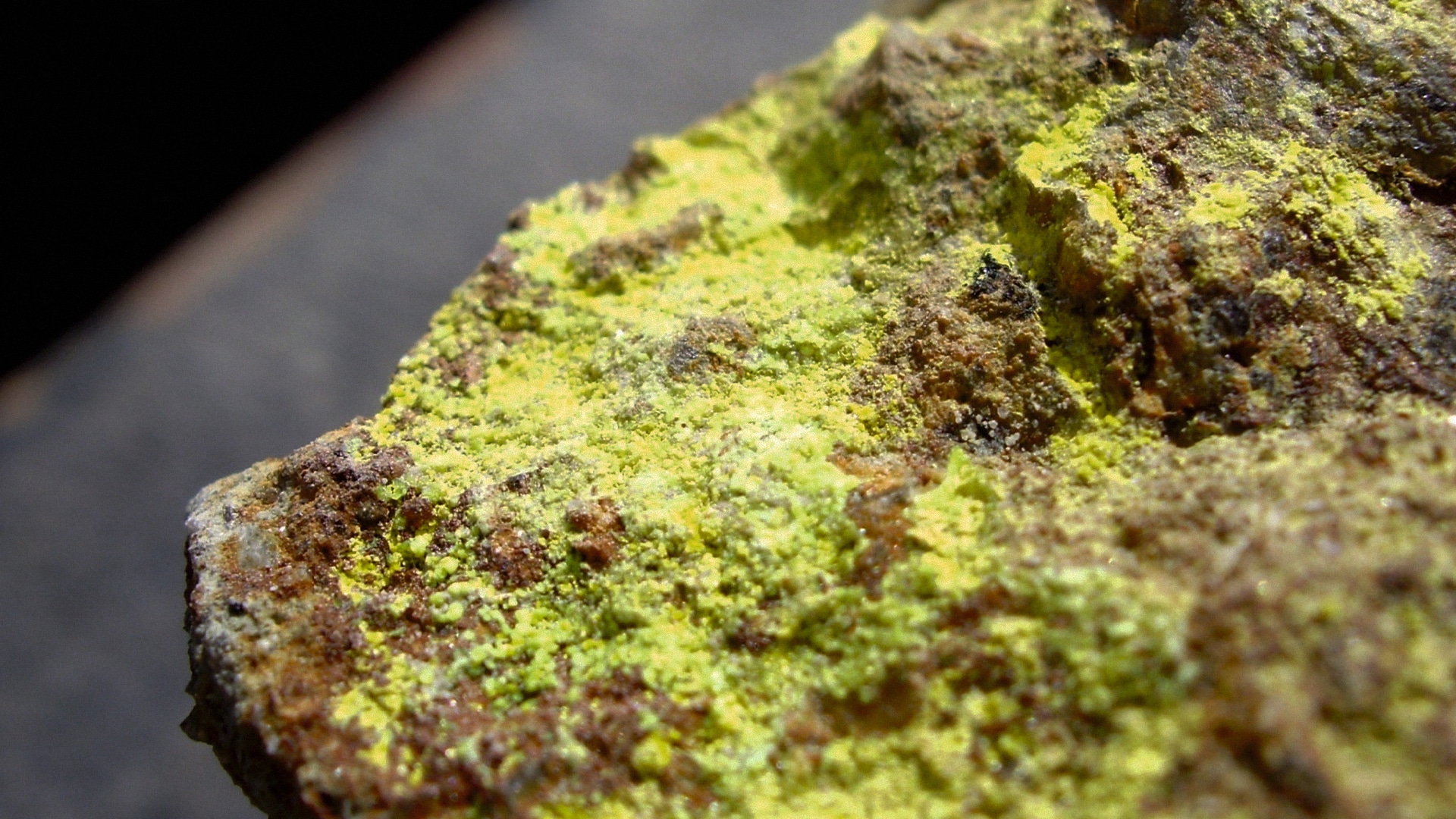
President Kassym-Jomart Tokayev has ordered the creation of a strategic uranium reserve to meet the long-term needs of Kazakhstan’s nuclear industry. Mining companies will supply uranium for the state reserve under special contracts, the Agency for Atomic Energy (AAE) told Kursiv.media. However, the planned reserve will extend beyond physically stockpiled uranium to cover the entire nuclear fuel supply chain.
«The reserve is not limited to physically stockpiled uranium. Rather, it is structured across the entire supply chain, from resources still in the ground to finished nuclear fuel. Specifically, in the long term, a portion of the uranium will remain underground. In parallel, the plan includes maintaining physical stocks of natural uranium and securing contractual supply commitments. The availability of low-enriched uranium and finished nuclear fuel is also factored in to meet short-term needs,» the agency said in response to Kursiv.media’s inquiry.
The goal of this multilevel approach is to ensure a stable, long-term supply of raw materials and nuclear fuel for Kazakhstan’s future nuclear power plants (NPPs).
The specific format and arrangements for establishing the strategic reserve have yet to be finalized. As a result, the agency is not currently providing details on pricing, funding sources or potential uranium supply commitments.
Read also: Why Kazakhstan could host Iran’s sensitive uranium stockpile.
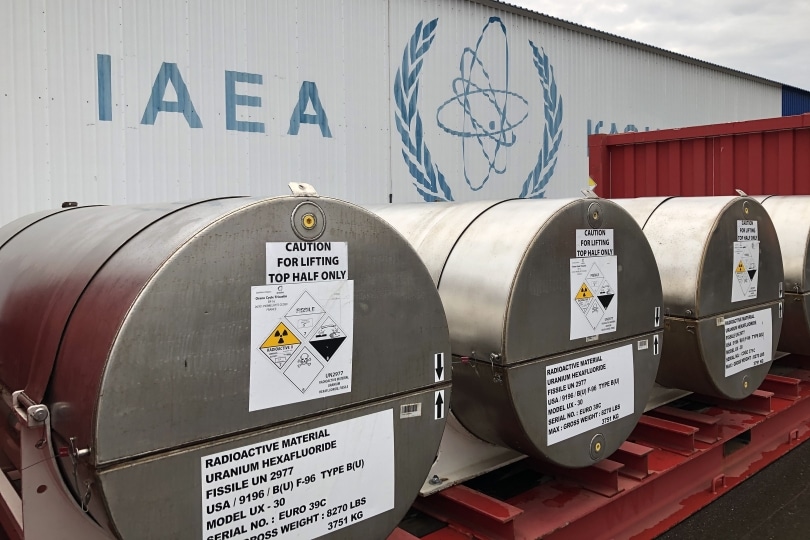
Kazakhstan plans to reserve 150,000 tons of uranium by 2050
Uranium producers currently sell their output at international market prices under either spot-market or long-term contracts. Domestic supplies, however, could be priced lower because of reduced transportation and other associated costs.
According to the AAE, Kazakhstan plans to reserve 100,000 tons of uranium by 2040 and 150,000 tons by 2050 to meet the needs of its future nuclear power plants.
Under existing uranium production contracts, subsoil users are required to keep their annual output within a range of plus or minus 20% of their contractual production obligations. Exceeding this threshold constitutes a breach of contract and could result in the agreement being terminated.
Read also: Kazakhstan to mothball uranium deposits for future nuclear plants.
Since uranium producers already have long-term and short-term supply contracts with buyers, additional arrangements could be introduced for new deposits, through extensions of existing contracts or by amending current agreements.
A reserve of 150,000 tons would represent a substantial volume, equivalent to approximately seven years of production by Kazakhstan’s national uranium producer, Kazatomprom.
