When Rapid Growth Is Part of DNA: The Role of M&A in Scaling Freedom Holding Corp.
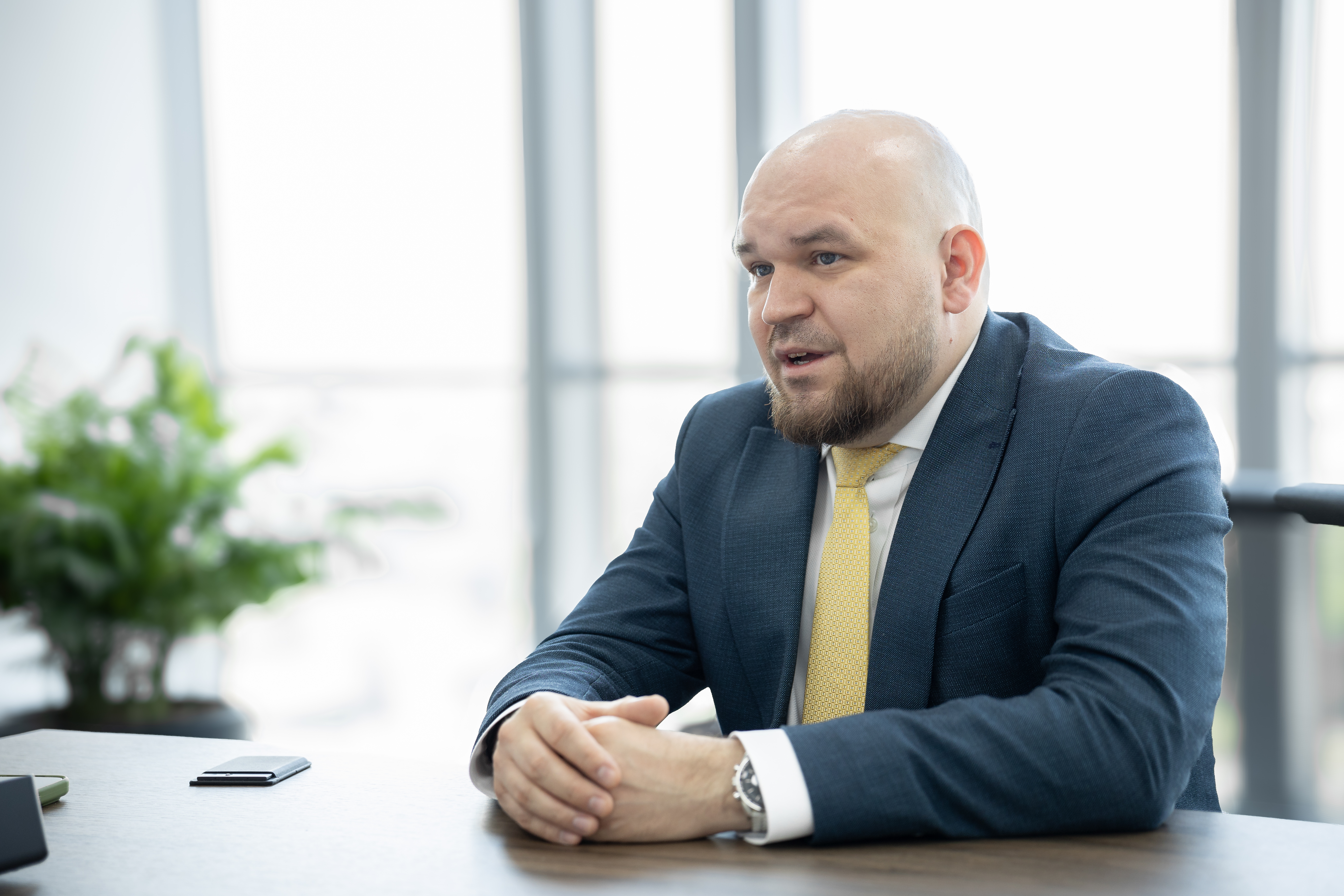
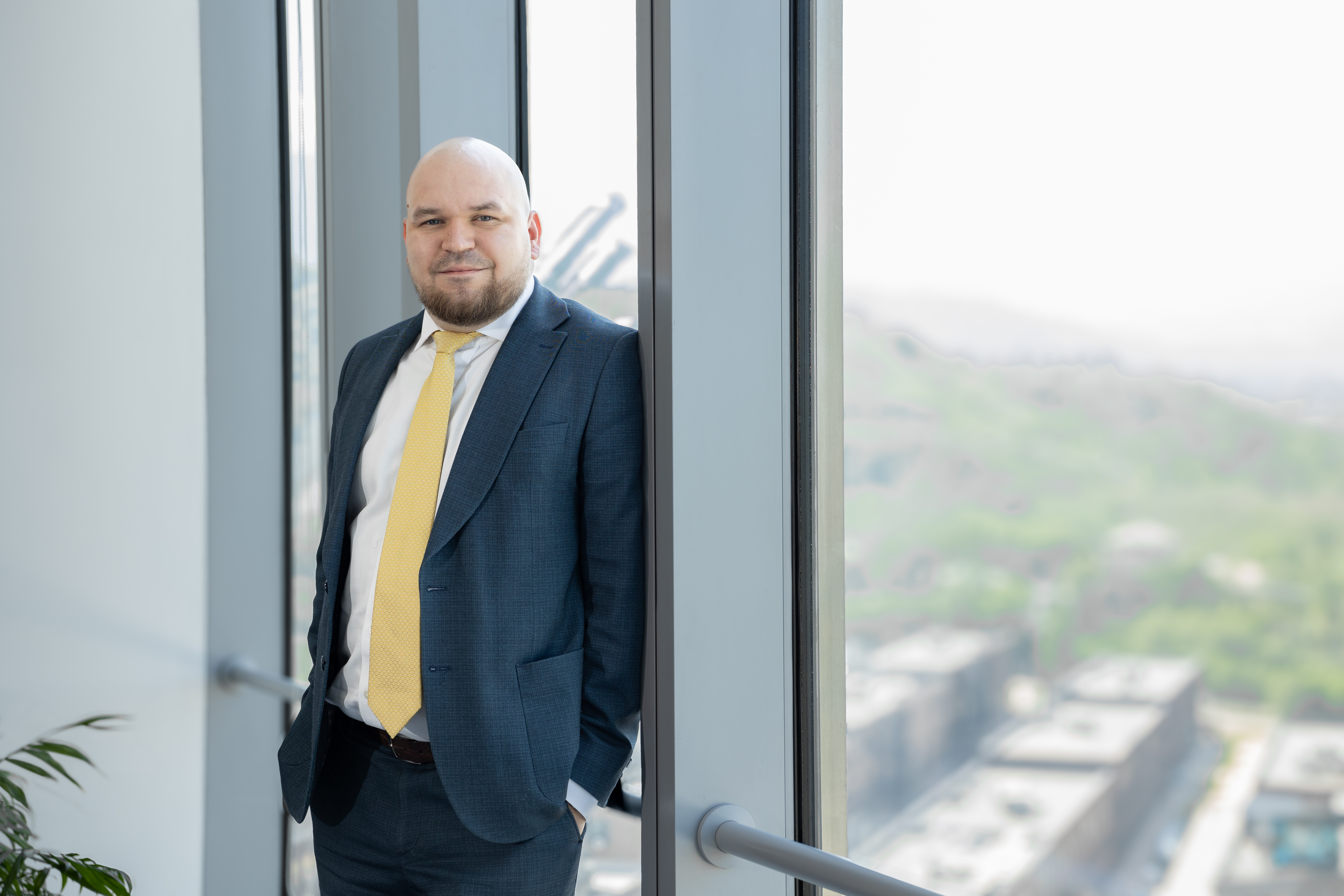
Freedom Holding Corp. is rapidly expanding its geographic footprint and product line, and acquiring established businesses plays a key role in this process. To better understand how the holding selects companies for acquisitions, why buying an existing bank is cheaper than opening a new one and why “soft skills” are essential in multi-million-dollar deals, Kursiv.media spoke with Freedom Holding Corp. Head of Corporate Development and M&A Sergey Fomichev.

What role does M&A play in the holding’s strategy today?
M&A plays a key role. First and foremost, we acquire not just companies, but established teams. We value people with the necessary skills and well-established business processes. This saves a significant amount of time and allows the holding to develop significantly faster than through organic growth.
How has the approach to transactions changed in recent years?
When the M&A team was formed, this process became more structured. A staged process has been introduced for preparing and making decisions on each deal: after an internal team analysis and discussions with relevant functions, each project is submitted to the transactional committee for review if it meets the necessary criteria.
What criteria are needed for selecting targets?
The criteria are divided into two parts. The first is investment metrics: comparative and income methods (DCF financial models), as well as cost and liquidation methods to verify the appropriateness of the price. The second is strategic fit. We assess how the company could be integrated into the Freedom ecosystem and what kind of synergy it will bring.
In which industries do you see the greatest potential?
We are interested in licensed businesses, such as banks and brokers in countries suitable for our expansion. We also see great potential in fintech. We are interested in know-how that speeds up and simplifies people’s lives through digitalization. This is ingrained in the holding’s DNA.
How do you manage a huge deal pipeline?
The most important factor is the strategic importance of the target for the holding company. The second is the likelihood of closing the deal. The M&A process is like a complex dance. Negotiations can last for years, be interrupted and then start all over again. Approximately 60% of deals in the market are never finalized due to seller overexpectations or an overly aggressive approach by buyers. Another 20% fail to receive regulatory approval, including from antitrust authorities.

How many deals, on average, reach closing?
In a traditional investment bank, I closed 5% to 8% of my deals. At Freedom, the successful deal rate is significantly higher, primarily due to asset acquisitions rather than buy-side sales. Currently, we have dozens of ongoing projects with the potential for strategic synergy with our existing business. We expect to successfully close up to half of them.
How does your M&A process work?
It’s a multi-stage process. It all starts with strategy. We seek out promising regions where we can bring unique digital products from Kazakhstan. We have considered markets in Southeast Asia (particularly Indonesia), Europe, and Africa. Deals always take longer in new countries where we don’t yet have a presence. It takes time to study the local regulatory framework with lawyers and to integrate teams operationally.
Does listing on Nasdaq help in this situation?
Definitely. The listing acts as a business card and removes many questions. Furthermore, we are supported by the world’s best auditors and lawyers. This allows us to move through many stages more quickly.
Which market is a priority for you: domestic or international?
We try to be flexible. Domestic deals strengthen Freedom’s existing portfolio, with a focus on logistics, e-commerce and B2C digital products. In international markets, we’re promoting products that have already been successfully proven in Kazakhstan. This happened with the Freedom Bank branch in Tajikistan, and a similar process is currently underway in Georgia.
You’re buying a bank and deploying a Kazakhstani Super App on its platform, aren’t you?
Yes, we are. Usually, we buy a bank or a broker, or obtain a license from scratch. The final option chosen depends on the complexity of the country’s regulatory requirements.

Is buying an existing bank easier than obtaining a license from scratch?
Definitely. Obtaining a license, assembling a local team and building processes require a huge investment of time and money. We know from practice that acquiring an existing business is faster and cheaper. What we must do is bring Freedom’s products and culture to the business.
Which stages of due diligence are the most critical?
The process includes financial, tax and legal due diligence, as well as an independent appraisal. It’s important to ensure the absence of serious legal and tax risks, as well as to confirm ownership of all acquired assets. During financial due diligence, we thoroughly examine operational and financial metrics to form a comprehensive picture of the business. All this is done to deeply understand the specifics of the acquired business before the transaction, identify any “skeletons in the closet” and avoid potential penalties and hidden liabilities.
How often do you rely on external consultants?
We always engage reputable consultants, most often from the Big Four. The due diligence process takes four to six weeks. Our internal business leaders, who will be developing the new company, also actively participate in the process.
Have you ever turned down late-stage deals?
Yes. We decline if the company’s risks and liabilities, taking synergies into account, exceed its price. It can also happen if we understand that the holding’s specialists can create a similar product from scratch — faster, cheaper and without hidden liabilities.
How do you assess a company’s value?
We use all approaches. We compare the company with publicly traded peers based on financial and operational metrics. We apply the income approach (DCF models) taking into account future synergies. If the company is near bankruptcy, we use the cost-based approach: we estimate the cost of creating a similar product from scratch or the liquidation value of assets.

Can the price change during negotiations?
This happens all the time. Expectations change if the company, for example, receives a major contract. However, we always outline the price range for discussion. If the discrepancy is tenfold, there is no point in continuing the negotiations. No more than one or two price revisions are allowed during well-justified negotiations, as the M&A process always requires significant internal and external resources.
Do you evaluate the success of a deal after one to three years?
Yes. When a board of directors approves a purchase, we strictly define key financial and operational performance indicators (KPIs). We monitor this plan’s implementation monthly. Former business owners often become our managers and their motivation is directly tied to these KPIs.
How is your M&A team structured?
The team has three levels. My deputy and I oversee the strategy and communicate with stakeholders at the highest level. The second level is the managers. These are people with extensive experience in investment banking, private equity and business valuation. They manage the deal from start to finish and coordinate the work of all parties involved. The third level is the analysts, responsible for investment analysis, calculations, models and the preparation of presentation materials.
The key competencies are attention to detail, the ability to make quick decisions and deep involvement in the process. However, soft skills are king. If someone is highly educated and possesses an outstanding technical background but lacks negotiating skills, their education is worthless.
What trends are you currently observing in the M&A market?
Kazakhstan is experiencing active consolidation. Tech companies are acquiring players. Banks are no longer just places to make payments. Financial institutions are building ecosystems where clients can access dozens of services instantly and without additional registration.
Are banks still a promising business area?
Absolutely. Attracting clients to a bank directly is quite expensive. On the other hand, this happens organically through ecosystem products. Traditional banks are becoming a thing of the past, giving way to digital ones. When entering new markets, we always view the bank or broker as the core of the ecosystem.
Does geopolitics influence your strategy?
Yes, and the impact is enormous. Our number one priority is our home region: Central Asia and the Caucasus. We understand the mentality and the rules of the game there. Over the past year, we have also advanced negotiations to acquire a bank in Turkey and obtained a brokerage license in Abu Dhabi’s ADGM special zone. The European market is somewhat more challenging for us due to its conservatism and strict regulatory requirements. We currently serve European clients through our office in Cyprus in 10 key European countries, but we are exploring the possibility of obtaining a full banking and brokerage license.
Is there any other region you consider promising?
Southeast Asia. We see huge potential in Indonesia, Vietnam and Thailand. We see demand for transactional business there: in Indonesia alone, 220 million people have access to mobile internet, which creates opportunities for the widespread adoption of digital banking services. If we can adapt to the local culture, our digital products could prove highly competitive there.
What was the most challenging deal in your career?
A cross-border deal involving the acquisition of a major European copper mining company, which I led, while working at another company before Freedom. The process lasted a year and a half. We even descended into mines to a depth of 1.5 kilometers. One of the sellers was a foreign government with complex, multi-stage procedures. Despite the team’s best efforts and a high offer price, we only finished second. The main lesson: in M&A, it’s not just business valuation and competencies that matter, but also macropolitical processes.
What do you consider the most successful decision in your career?
Moving to Freedom. Before that, I spent almost 10 years working in mergers and acquisitions at a bank. At Freedom, I was able to build my own team from scratch. We don’t just close deals; we’re also responsible for the fate of companies within the holding. This imposes enormous responsibility, but it also fuels professional passion.
How do you unwind with such a high workload?
I used to be an equestrian. After moving to Almaty, I switched to hiking. I love climbing to remote mountain spots with no internet to escape the hustle and bustle of the office. Time to recharge is limited, but my habit of constantly learning new things, which also relates to creativity and travel, helps a lot.