

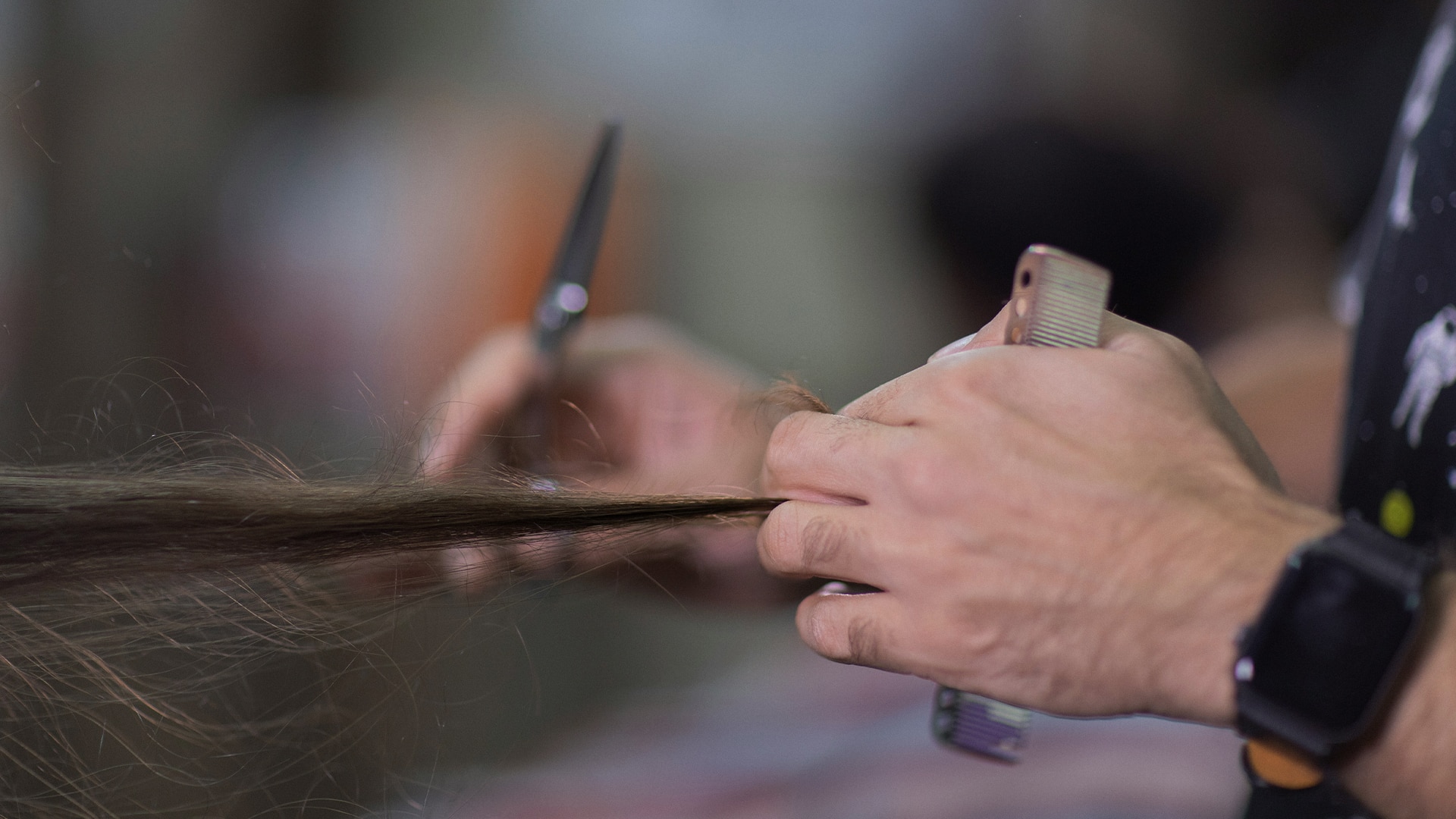
Professional scissors, hair clippers and razors may release nickel and cobalt, metals that can trigger allergic contact dermatitis, according to a study published in the journal Contact Dermatitis.
How the study was conducted
From March to June 2026, researchers examined hairdressing tools at 58 salons across Denmark, covering different areas and price ranges. They tested 266 tools: 167 pairs of scissors, 95 hair clippers and four razors.
The researchers conducted on-site chemical spot tests. They applied test solutions to cotton swabs and rubbed them against designated areas of each tool. A color change in the solution indicated a positive result. The tools had not been cleaned before testing.
Potentially hazardous tools
Overall, tests indicated nickel release from 13.9% of the tools examined, while 6.8% tested positive for cobalt.
Razors had the highest reported rates of metal release, with approximately one in four testing positive for nickel and a similar proportion for cobalt. Among scissors, 15.6% tested positive for nickel and 6.6% for cobalt. Hair clippers showed corresponding figures of 10.5% and 6.3%, respectively.
Tools that tested positive for nickel were found in 22 of the 58 salons, while cobalt-positive tools were found in 12.
Price was not a guarantee of safety, as nickel release was also detected in expensive tools.
Why are nickel and cobalt dangerous?
Both metals can trigger allergic contact dermatitis, an inflammatory skin reaction caused by exposure to an allergen.
Symptoms can include redness, itching, dryness, flaking and cracked skin. Repeated exposure to irritants and allergens can contribute to eczema.
Hairdressers are particularly at risk because their work involves frequent hair washing and regular contact with shampoos, hair dyes and other products. Repeated exposure to water and chemicals can gradually weaken the skin barrier, increasing susceptibility to dermatitis.
Previous studies suggest that around 38% of hairdressers have experienced hand eczema at some point in their lives, while approximately 20% reported having the condition within one year.
The study’s authors say greater attention should be paid to the materials used in hairdressing tools and that safety oversight should be strengthened.