Why Tajikistan’s 1,300 lost glaciers matter to 80 million people

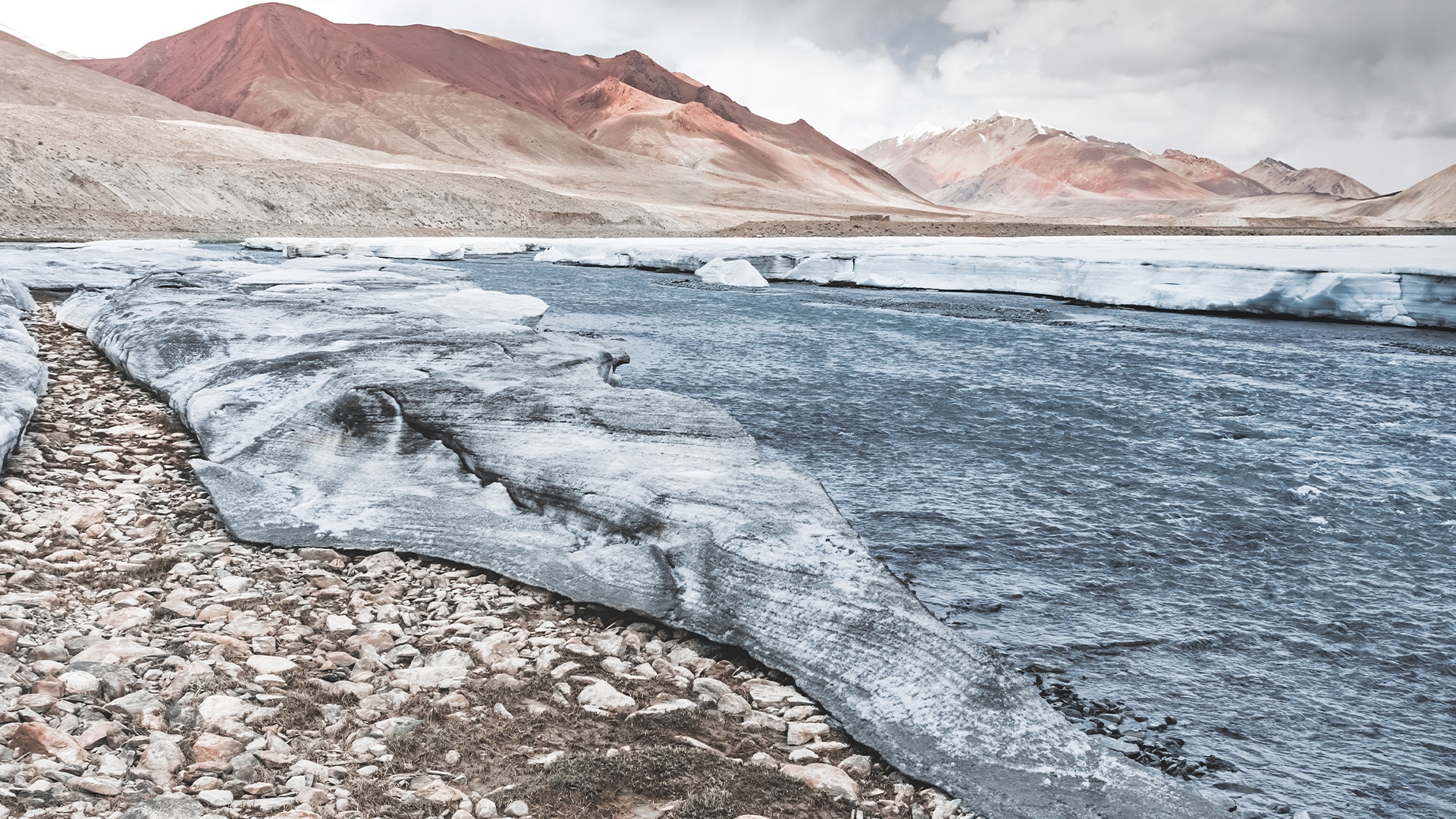
More than 1,300 glaciers in Tajikistan — accounting for about 60% of Central Asia’s water resources — have completely melted, Tajik President Emomali Rahmon said at the Astana summit, warning that ecosystem degradation is fueling abnormal dust storms that now last up to seven months a year.
Accelerating glacier loss threatens water security
According to Rahmon, more than 1,300 of the country’s roughly 14,000 glaciers have already disappeared. The process is accelerating, disrupting the regional water balance and increasing the risk of natural disasters across Central Asia.
«Up to 60% of Central Asia’s water resources are generated in our country. This underscores the important role of Tajikistan’s mountain ecosystems in ensuring water supply and sustainable development in the region. In this context, the accelerating melting of glaciers and the reduction of snow resources are of particular concern,» Rahmon said.
Dust storms intensifying
Rahmon said more than 60 dust storms were recorded last year, with a combined duration of about seven months. In the early 1990s, such events occurred only two or three times annually.
Regional response and climate initiatives
To address the crisis, Tajikistan plans to establish a regional glacier monitoring center in Dushanbe under the auspices of the World Meteorological Organization. Rahmon also proposed that neighboring countries gradually develop a common carbon market to attract new investment.
The government has already begun issuing «green bonds» as part of efforts to integrate into the global climate finance system. It has also adopted a nationwide greening program that calls for planting more than 1 billion trees by 2040.