Worlds apart: King Charles and Donald Trump’s historic D.C. encounter

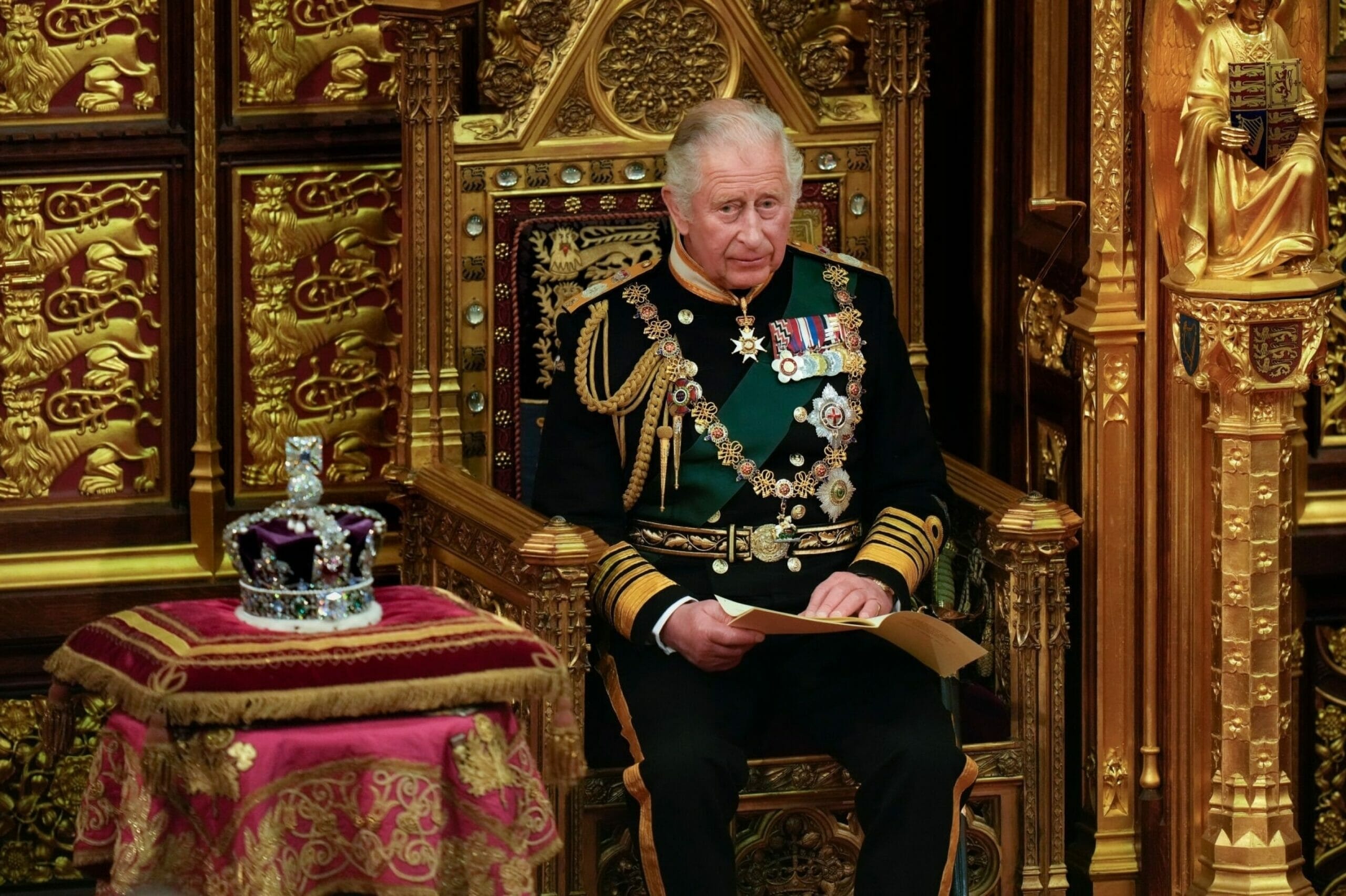
As King Charles III touches down in Washington, D.C. today, the world is watching an encounter that feels less like a routine state visit and more like a delicate diplomatic balancing act.
Coinciding with the 250th anniversary of American independence, the King’s arrival marks the first visit by a reigning British monarch in nearly two decades. However, the true spectacle lies in the meeting between two of the world’s most recognizable, yet fundamentally different, leaders: the hereditary monarch and President Donald Trump.
Forecasts for their encounter suggest a masterclass in contrasting leadership styles. In public speeches, Charles is the architect of «soft power,» delivering meticulously choreographed addresses that could emphasize shared Enlightenment values and historical continuity. Even when touching on modern power dynamics, his criticisms can be rendered with a surgeon’s precision — polite, respectful, and oblique.
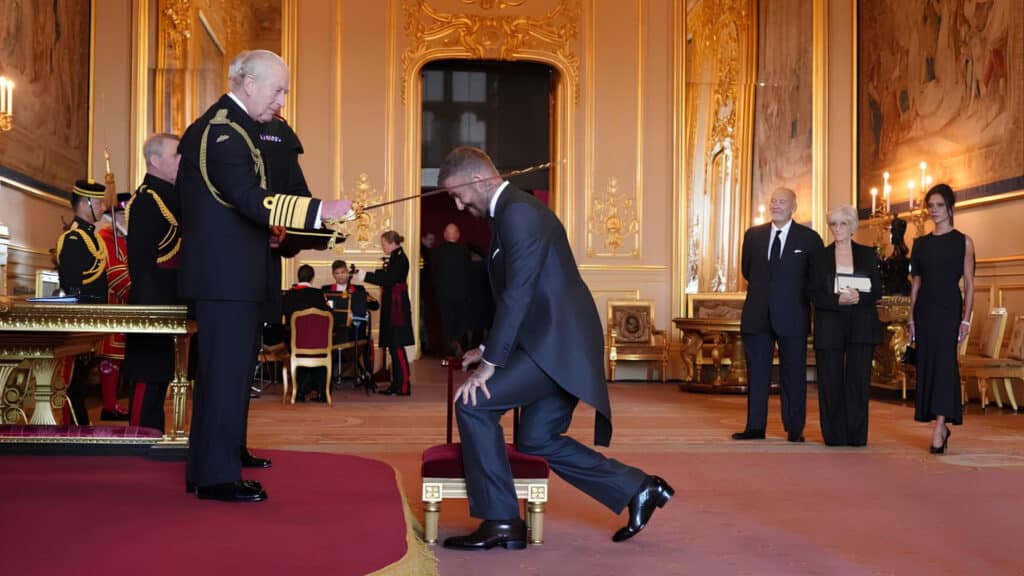
Conversely, as The Guardian noted, President Trump remains the mercurial «agent of chaos» in the eyes of his critics, known for an unpredictable, unscripted rhetoric that favors bold superlatives and personal loyalty over diplomatic nuance. While Charles treats counterparts with a practiced, stoic courtesy, Trump’s approach is intensely personal; he has recently hailed the King as «fantastic» and «brave,» even as he publicly clashes with other political figures.
The two men also diverge sharply in their private habits. A White House state banquet in 2026 highlights these differences: the King is a devotee of seasonal, organic produce — obsessed with peas, asparagus, and organic lamb — while famously avoiding garlic, shellfish, and chocolate. President Trump, while hosting with traditional American grandeur, has a legendary preference for more direct, robust flavors.
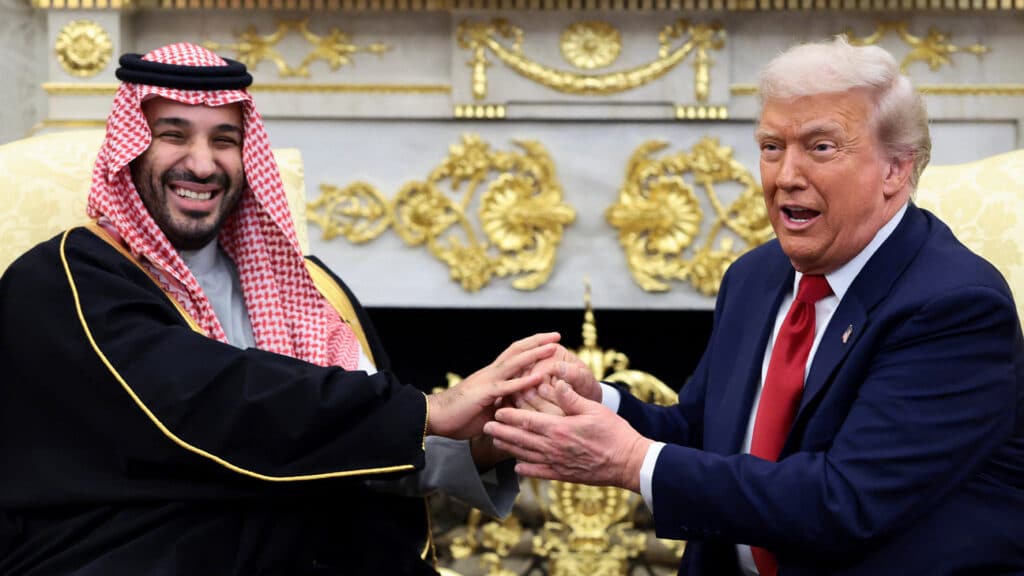
Despite their stylistic chasm, they share a surprising amount of common ground. Both are figures of significant age (Charles at 77 and Trump at 79), navigating the physical toll of leadership; notably, both are currently managing high-profile health concerns, with the King continuing his cancer treatment while maintaining a rigorous schedule.
Both were educated at elite institutions and have navigated decades of public scrutiny regarding their personal lives and the influential women by their sides. As they sit down for tea and a state dinner, the hope is that these personal commonalities can help bridge a «special relationship» that many analysts describe as being at its most delicate point in seventy years.