Survival of the fittest? Kazakhstan blames natural selection for mass deaths


Kazakhstan’s government has responded to growing concerns over the condition of the country’s wildlife, addressing not only the recent saiga die-off in the steppes but also the deaths of swans and Caspian seals in western Kazakhstan.
Nurken Sharbiyev, Kazakhstan’s deputy minister of ecology, said the recorded deaths of 26,000 saigas — including 11,000 in the West Kazakhstan region — do not represent an abnormal event.
«The saiga mortality rate currently being observed is within the natural norm,» Sharbiyev said.
«The saiga population is fully renewed every three to four years. Their lifespan generally does not exceed five years,» he added.
Saiga population remains stable, officials say
According to Sharbiyev, an annual natural mortality rate of up to 15% to 20% is considered acceptable for the species.

Kazakhstan’s saiga population is currently estimated at around 4 million animals. Final results from the spring population census are expected to be released in June.
Swans and seals raise additional concerns
The deaths of swans in the Mangystau region have emerged as a separate environmental concern.
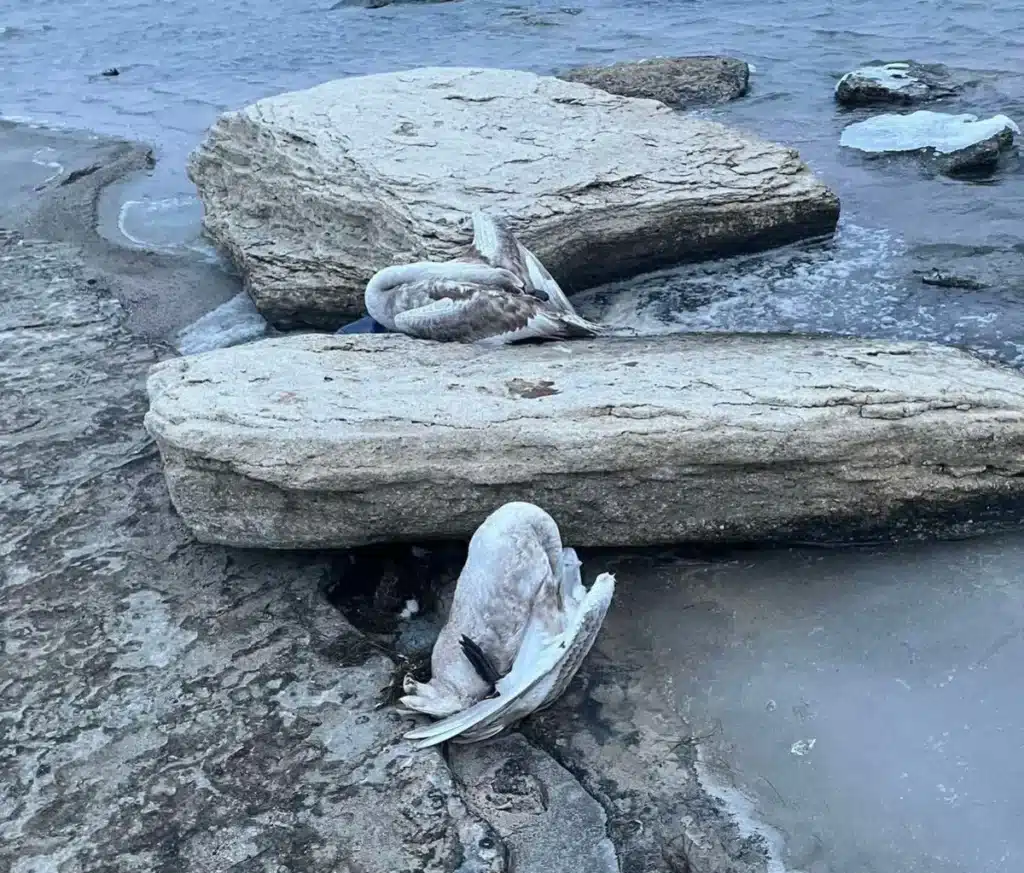
Meanwhile, conditions along the Caspian Sea coastline remain challenging after approximately 200 dead seal carcasses were discovered in April.
Amangali Berdalin, Kazakhstan’s vice minister of agriculture, said laboratory tests found no traces of toxins or infectious diseases in the collected biomaterials.
Officials cite possible natural causes
Authorities said the leading explanations for the seal deaths include possible seismic activity and the condition of the carcasses themselves.
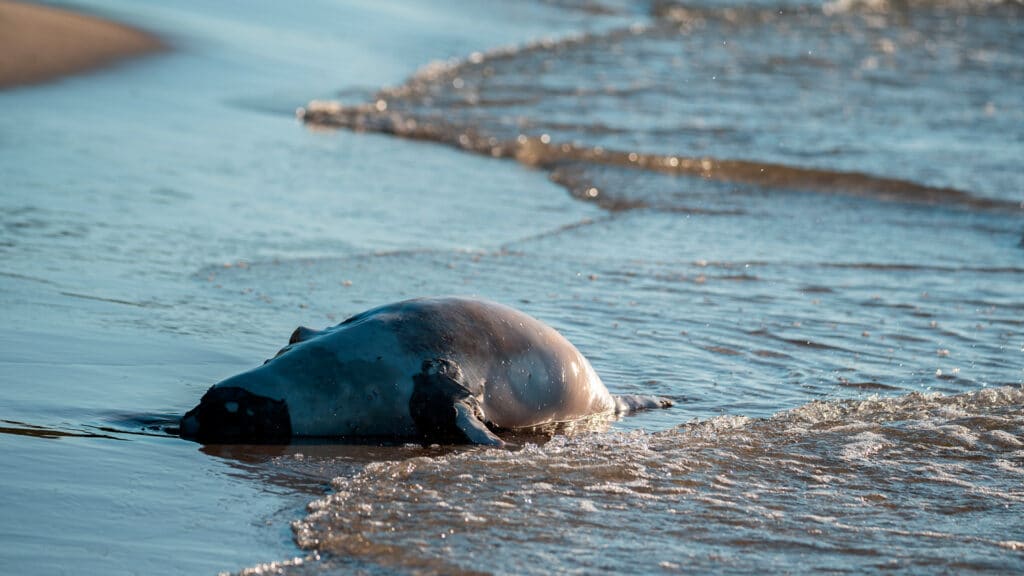
One theory suggests that microearthquakes may have triggered releases of natural gas from the seabed.
Officials also noted that many of the carcasses had reached an advanced state of decomposition after being washed ashore by storms, complicating detailed toxicological analysis.
The Ministry of Ecology added that water samples collected from the affected area met maximum permissible concentration standards. Specialists continue to monitor conditions in the Caspian Sea.