UAE advances pipeline to reduce reliance on Strait of Hormuz

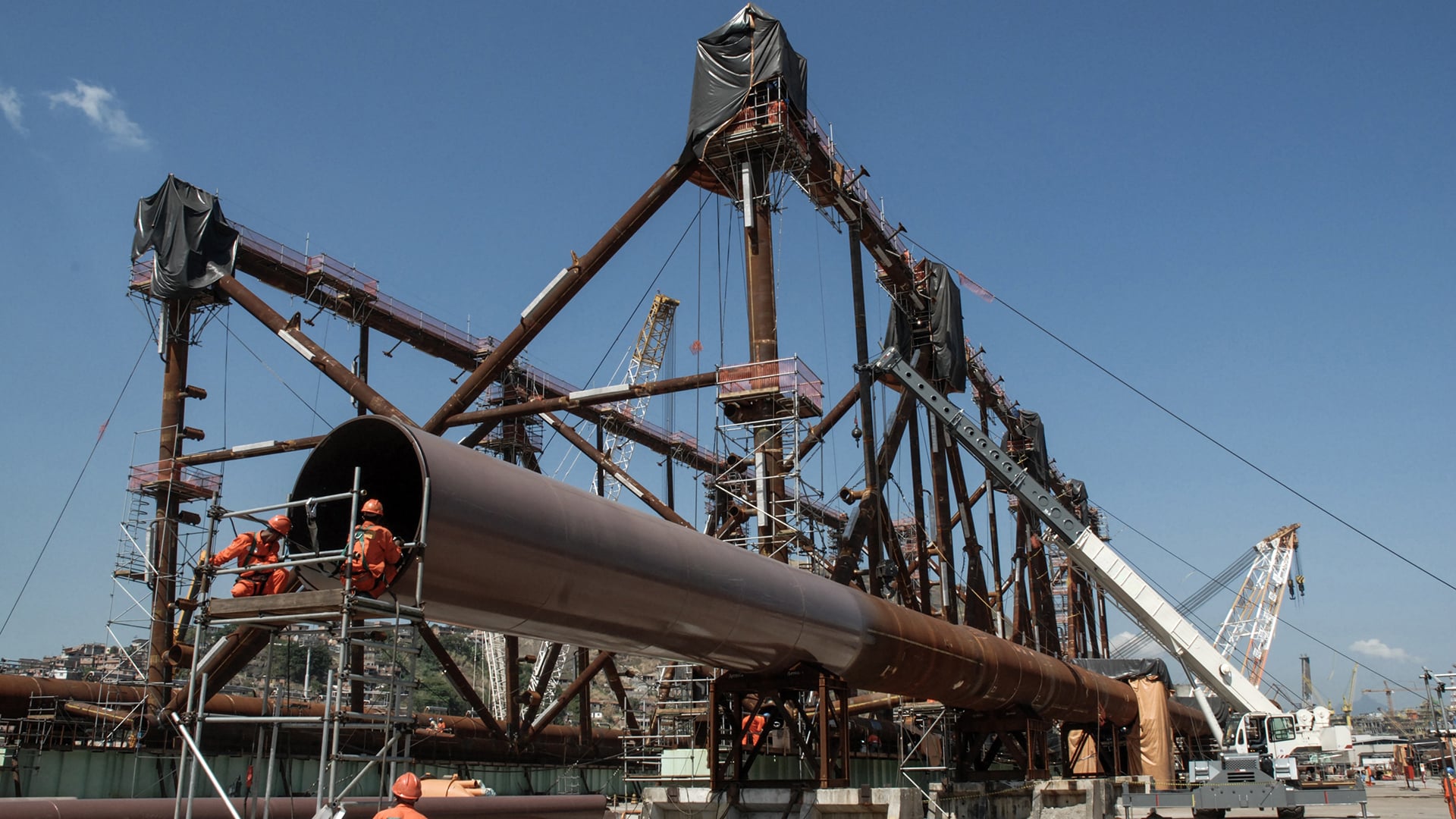
The United Arab Emirates (UAE) is accelerating construction of a new oil pipeline to increase export capacity through the port of Fujairah by 2027, as it seeks to reduce reliance on the Strait of Hormuz, Reuters reported.
The decision was directed by Crown Prince Khaled bin Mohamed bin Zayed, who instructed the Abu Dhabi National Oil Company (ADNOC) to fast-track the West-East Pipeline project. The pipeline is already under construction and is expected to begin operations in 2027.
The move comes as disruptions in the Strait of Hormuz have constrained global oil flows. The waterway, a key route for energy shipments, has been largely blocked since Feb. 28, when the U.S. and Israel carried out strikes on Iran, affecting roughly one-fifth of global oil supplies and driving up energy prices.
The UAE already operates the Abu Dhabi Crude Oil Pipeline, which can transport up to 1.8 million barrels per day to Fujairah, on the Gulf of Oman, bypassing the Strait of Hormuz. Along with Saudi Arabia, it is one of the few Gulf producers with infrastructure that allows exports to avoid the chokepoint.
The new pipeline project follows the UAE’s recent exit from the Organization of the Petroleum Exporting Countries, which removed output limits. ADNOC has been expanding production capacity, targeting 5 million barrels per day in the near term, with potential to increase further if needed.