
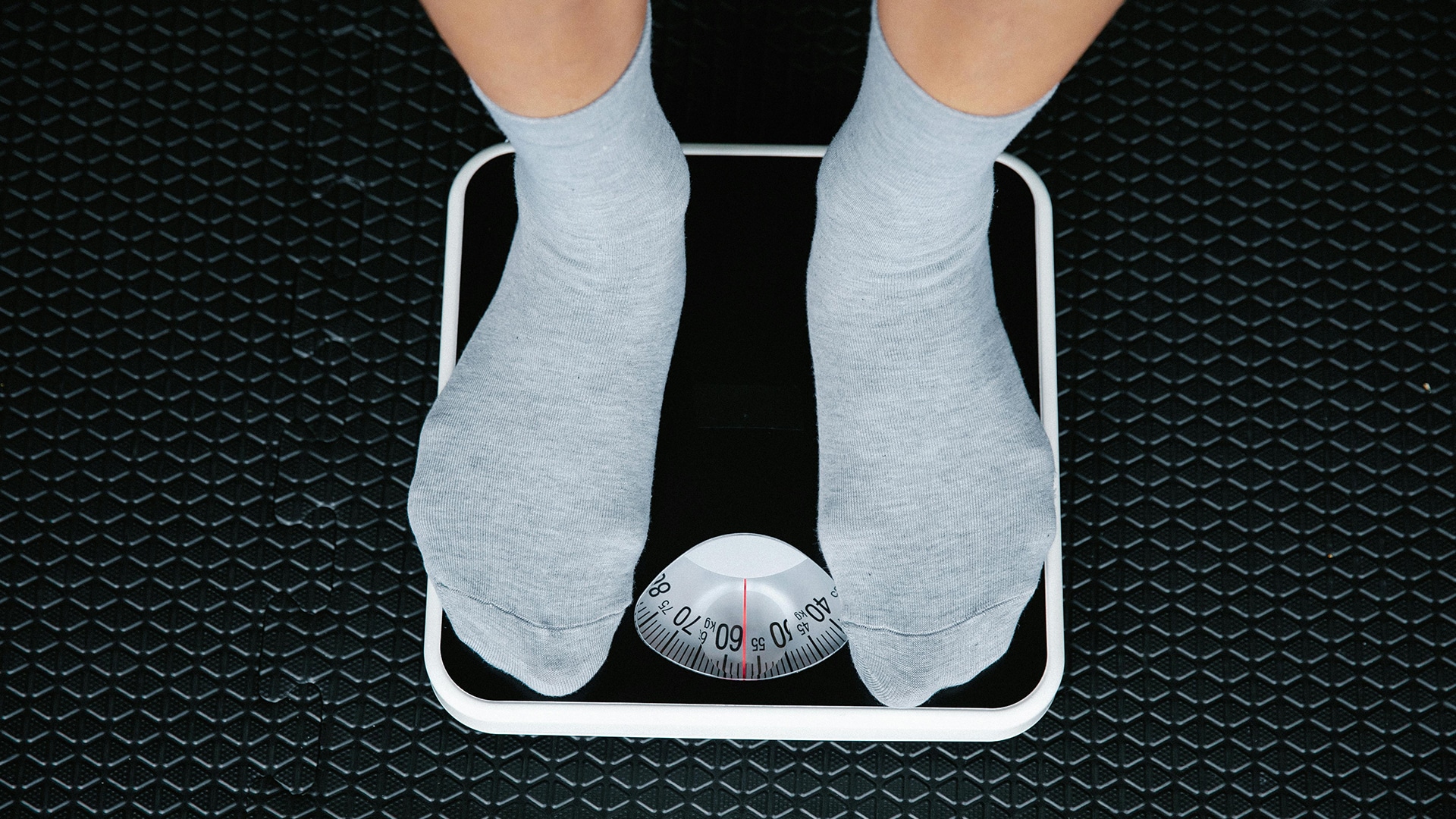
You count calories, eat less and exercise more — but eventually the number on the scale stops moving. While frustrating, this is a predictable response from the body.
We spoke with endocrinologist and nutritionist Saina Olesova of the Good Doctor (Horoshiy Doctor) clinic to better understand what happens in the body during a calorie deficit and why weight-loss plateaus occur.
What is metabolic adaptation?
Metabolic adaptation is the body’s response to an energy deficit, but it does not mean the body suddenly «shuts down» or stops burning fat altogether.
Olesova compares the process to conserving a phone battery:
«Imagine your phone battery is at 40%, you have the entire day ahead of you, you don’t have a charger and there’s nowhere to recharge it. You’ll probably close unnecessary apps, check your phone less often and avoid endlessly scrolling social media. But your phone is not yet in emergency mode at 10%, where power-saving mode kicks in. The body works in a similar way.»
According to Olesova, the common fear that the body enters «starvation mode» and completely stops losing weight is a myth. With a moderate calorie deficit, the body continues using fat as an energy source — it simply becomes slightly more efficient in the process.

Why the body reduces energy expenditure
One reason energy expenditure decreases is straightforward: As body weight drops, the body requires fewer calories to maintain itself.
Fat tissue itself uses relatively little energy — about 4.5 calories per kilogram per day — far less than organs such as the brain or liver.
Another important factor is reduced spontaneous activity.
«This is a very subtle process,» Olesova said. «The body automatically starts reducing movement.»
People may gesture less, move around less frequently or spend more time sitting without consciously noticing it. Over time, this lowers overall calorie expenditure.
Hormonal changes also play a role. A calorie deficit can increase hunger and reduce feelings of fullness, though that does not necessarily mean overeating or abandoning a diet is inevitable.
Why weight-loss plateaus happen
A plateau occurs when a person stops losing weight despite remaining in what appears to be a calorie deficit.
In many cases, the issue is not metabolism itself, but a combination of factors:
- Reduced physical activity
- A smaller calorie deficit due to weight loss
- Extra calories creeping into the diet unnoticed
What to do if your weight loss stalls
Don’t panic
Weight loss is rarely linear. Periods of stabilization, plateaus and even temporary setbacks are normal.
Increase daily movement
Aim for 7,000 to 10,000 steps per day, ideally through intentional activity such as walks rather than routine movement around the house or office.
Move more throughout the day
Stand up every 30 to 60 minutes, stretch or take a short walk. Small habits matter.
Taking the stairs instead of the elevator, walking while talking on the phone or parking farther away can help restore everyday movement.
Add strength training
Include up to 100 minutes of strength training per week and make sure protein intake is adequate.
Read also: The ‘Dr. Now’ of fitness: Kazakh trainer leading massive weight loss missions.

Olesova recommends consuming about 1.2 to 1.5 grams of protein per kilogram of ideal body weight during weight loss to help preserve muscle mass.
Don’t rely only on the scale
The number on the scale does not tell the whole story.
Tracking body measurements, taking progress photos or using bioimpedance analysis to measure body composition can provide a more accurate picture of changes in fat and muscle mass.
During body recomposition, weight may remain stable even as fat decreases and muscle increases.
Sleep and stress matter
Poor sleep and chronic stress can increase hunger, reduce control over eating habits and decrease physical activity.
Consistent sleep, balanced work-rest routines and short breaks during the day — including breathing exercises or mindfulness practices — can support long-term weight management.
Give the plateau time
A plateau lasting two to four weeks is considered normal. This period often reflects the body adapting to new habits.
Short breaks during the weight-loss process can also be beneficial.
Reevaluate your calorie deficit
Sometimes the explanation is simple: A diet that once created a calorie deficit may now be your maintenance intake after significant weight loss.
This is especially common after losing more than 10% of starting body weight. In that case, it may be time to reassess calorie intake and overall nutrition.
Metabolic adaptation is real — but manageable
Metabolic adaptation exists, but its effects are often exaggerated.
The encouraging news is that the most important factors affecting long-term weight loss — activity, nutrition, sleep and daily habits — remain largely within your control.