
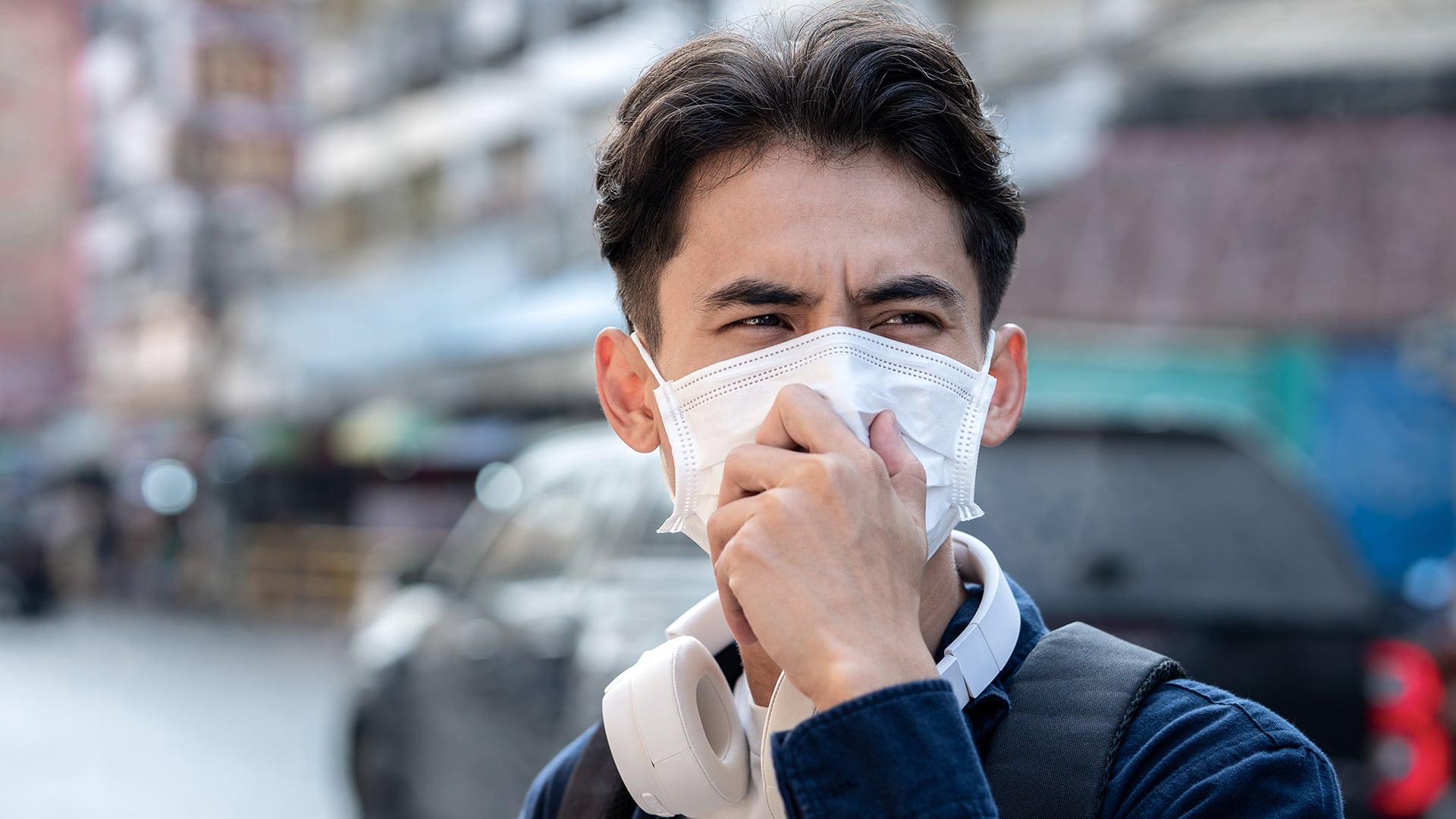
Air quality affects more than just physical health — it can also influence mental well-being.
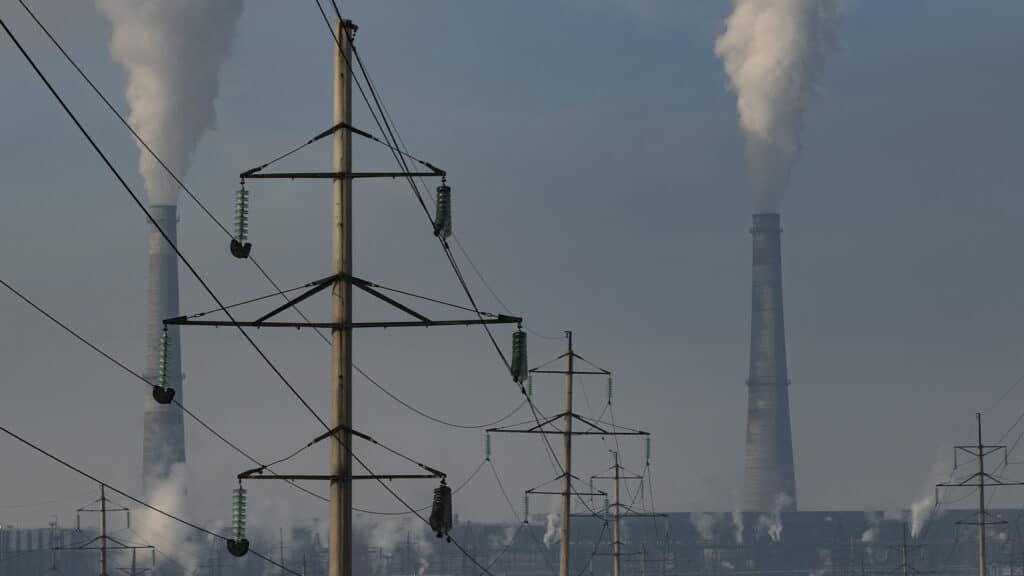
Particulate matter, especially PM2.5, appears to have a significant impact. These microscopic pollutants are produced by vehicle exhaust, smoke, and industrial emissions. They can penetrate deep into the lungs and may even affect brain function.
According to a report by the Almaty Air Initiative, the average annual PM2.5 concentration in Almaty in 2025 was approximately six times higher than the level recommended by the World Health Organization.
Pollution and cognitive function
Air pollution has been linked not only to lung and heart disease but also to declines in cognitive functions such as attention, memory, and concentration.
Last year, researchers published a study showing that even short-term exposure to air pollution can impair a person’s ability to focus on everyday tasks and recognize the emotions of others.
Another review, published in BMC Public Health, found evidence linking air pollution to cognitive impairment and reduced mental functioning.
Risk of depression and anxiety
Research also suggests a connection between air pollution and mental health disorders.
In a 2025 study published in the journal Archives of Public Health, scientists analyzed data from more than 10,000 people and found an association between long-term exposure to PM2.5 and PM10 and symptoms of anxiety and depression.
Other studies have found that air pollution may impair sleep quality and increase the risk of emotional exhaustion.
Researchers describe air pollution as a «modifiable risk factor,» meaning its impact can potentially be reduced through environmental policies and public health interventions.
Children and adolescents are especially vulnerable
Children are considered one of the most vulnerable groups because their brains and nervous systems are still developing.
Air pollution may affect adolescents’ attention, learning, and emotional well-being. In one study, researchers found a link between higher PM2.5 levels and lower school exam scores among adolescents.
How to reduce your risk
Experts recommend monitoring local air quality and taking precautions when pollution levels are high. Practical steps include ventilating indoor spaces when air quality is good, using air purifiers, and avoiding walks along heavily trafficked roads on particularly polluted days.