
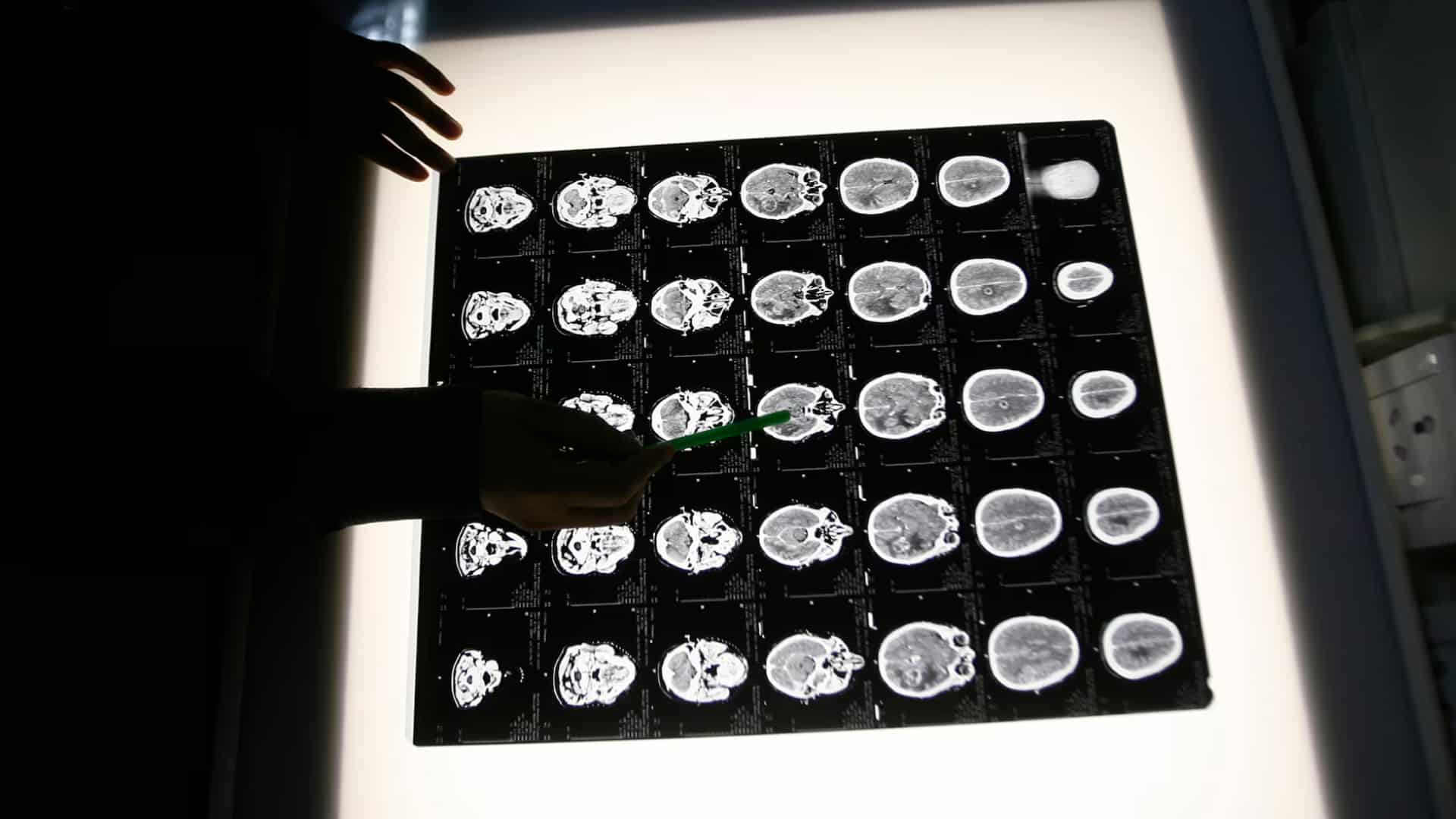
One of the most common questions doctors hear from patients is whether severe stress can directly trigger the development of cancer. A leading oncology center in Kazakhstan has published an expert explanation addressing the issue.
«Currently, there is no scientific evidence that stress directly causes cancer. Strong emotions, life challenges, or emotional upheaval do not, by themselves, transform healthy cells into cancerous ones,» the center said in a statement.
How chronic stress affects the body
While stress itself is not considered a direct cause of cancer, oncologists say chronic stress can have a significant impact on overall health.
Long-term emotional stress can contribute to:
- Sleep disturbances.
- High blood pressure.
- Reduced physical activity.
- Weight gain.
- A weakened immune system.
- Increased alcohol and tobacco use.
According to doctors, these factors may increase the risk of developing a range of illnesses, including certain types of cancer.
Cancer develops over years, not weeks
Experts note that most malignant tumors develop gradually over many years. In many cases, cancer begins to develop five to 15 years before it is diagnosed.
As a result, a stressful event that occurs shortly before a cancer diagnosis is usually a coincidence rather than the cause of the disease.
Mental health remains important during treatment
Although stress may not cause cancer, mental health can play an important role during treatment and recovery.
Doctors say reducing anxiety can help patients sleep better, tolerate treatment more effectively, remain physically active, and maintain a higher quality of life throughout the treatment process.