

Women-owned small and medium enterprises across Europe and Central Asia continue to face a persistent financing gap, according to a new study by the World Bank. The study identifies 49 distinct barriers that prevent these entrepreneurs from accessing necessary debt and equity finance, ranging from deep-seated social norms to conflicting institutional incentives.
Read also: Kazakhstan could benefit from greater female participation in the economy, expert says.
The research utilizes a user-centric «journey mapping» framework to track the financing process from the perspective of women seeking funds. The report highlights that while many obstacles are global, 13 specific barriers are particularly prominent in the Europe and Central Asia (ECA) region. These include limited access to collateral, unfavorable loan terms, and informational asymmetries.
The report cites a body of survey and research evidence indicating the persistence of stereotypical views that portray women as «poor entrepreneurs» and a corresponding reluctance to invest in women-led ventures. These biases are particularly prevalent among male investors. Similarly, an ethnographic study of venture capital decision-making in Sweden found that investors tended to describe male entrepreneurs as having «entrepreneurial potential,» whereas women were perceived as more cautious or inexperienced. Notably, youth was interpreted as a sign of «promise» for male entrepreneurs but as an indicator of «inexperience» for their female counterparts.
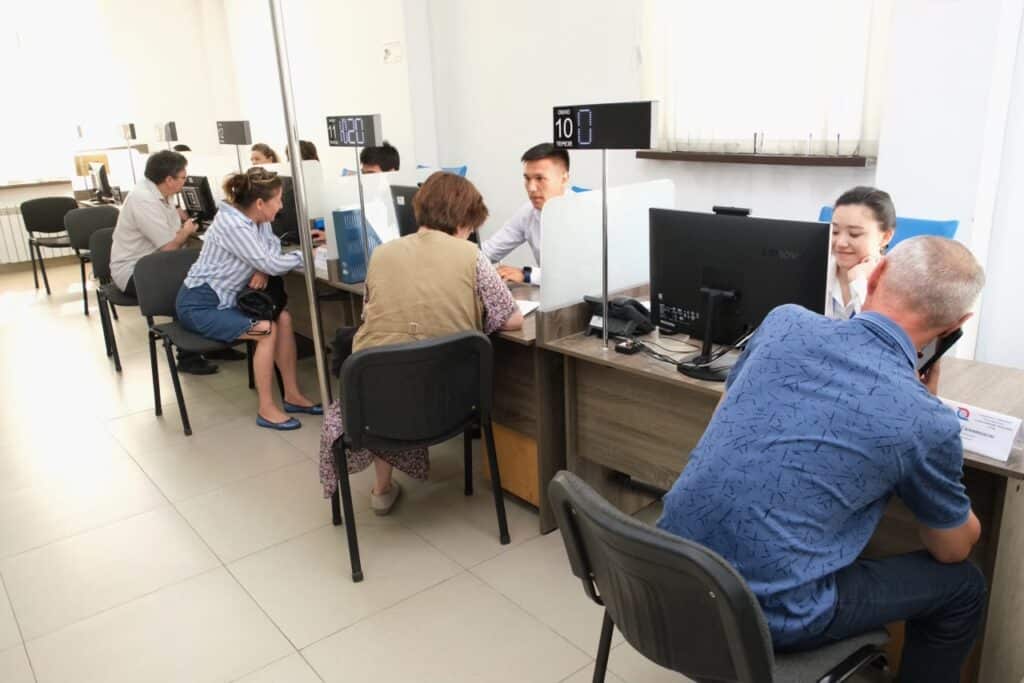
Supply-side frictions are especially impactful. In Turkey, for instance, experimental evidence suggests that nearly one-third of loan officers display measurable bias against female borrowers, often granting them smaller loans than their male counterparts. The authors note that in the equity market, women often face more «prevention-focused» questions during pitches — concentrating on risk and caution — while men are asked «promotion-focused» questions about ambition and potential.
Innovative solutions to bridge the gap
To combat these disparities, the study reviews 27 global interventions that could be adapted for the region. For debt financing, these include asset-collateralized lending and psychometric credit scoring, which evaluate an owner’s traits rather than just business history. Equity interventions focus on investment-readiness programs and communication strategies that encourage promotion-focused responses to defensive questions.
A roadmap for policy action
To unlock the full potential of women-led firms, the paper proposes three strategic priorities. First, policymakers must prioritize the collection of sex-disaggregated data to diagnose specific constraints accurately. Second, proven interventions should be scaled and adapted to local contexts. Finally, the study calls for embedding rigorous monitoring and evaluation into program designs to accelerate learning and support effective scale-ups. Addressing these gaps is essential for the region’s broader structural transformation and quest for high-income status.
Read also: ADB fuels ‘Umai’ program for women’s housing in Kazakhstan.