
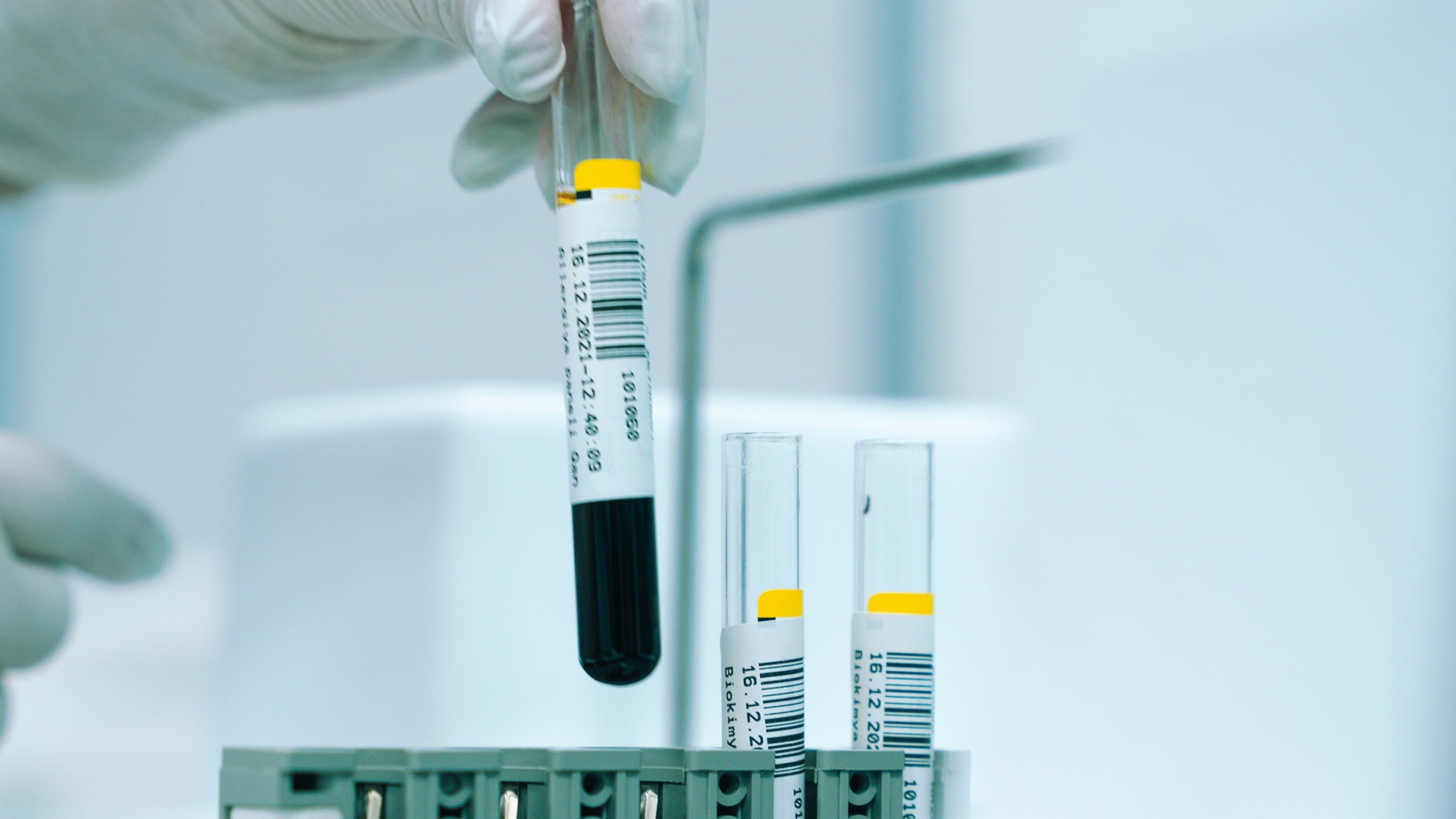
After discovering elevated ferritin levels in their test results, patients may assume they have too much iron and begin changing their diets on their own. However, ferritin is more complex than that. Pediatric oncologist and hematologist Aigerim Berikkyzy explained on her Threads account what elevated ferritin levels can actually indicate.
«Many people see high ferritin in their test results and immediately assume they have too much iron. But this isn’t always the case. Ferritin is a protein that stores iron in the body. However, it is also an acute-phase reactant, meaning its levels can increase for reasons other than iron stores,» the doctor explained.
According to the hematologist, ferritin levels can increase with:
- Infections.
- Inflammatory diseases.
- Liver disease.
- Some cancers and autoimmune diseases.
- Multiple blood transfusions.
The doctor emphasized that elevated ferritin is not a diagnosis but a laboratory finding that should always be assessed in context. That means avoiding guesswork and self-treatment and consulting a specialist instead.
«Therefore the doctor evaluates not only ferritin, but also a complete blood count, C-reactive protein (CRP), iron metabolism parameters — including serum iron, transferrin and transferrin saturation — as well as the clinical picture, medical history and other factors,» she explained.
Only then, according to Berikkyzy, can doctors determine whether elevated ferritin is related to iron overload or the body’s response to another condition.
The hematologist also explained that humans do not have a regulated mechanism for actively excreting excess iron. Instead, iron levels are primarily controlled by regulating its absorption in the intestines, a process influenced by the hormone hepcidin.