
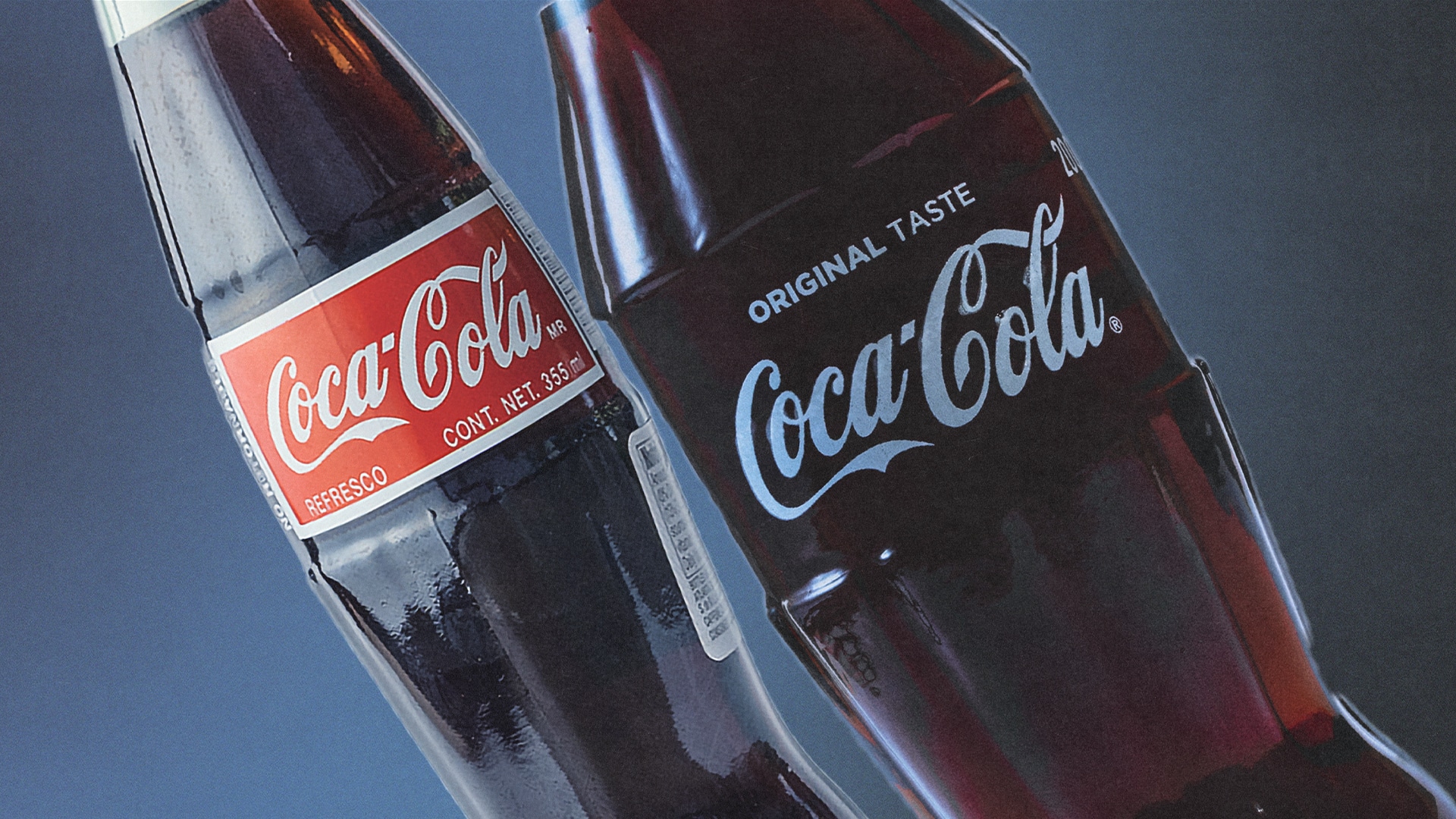
Globalization has made it possible to find almost identical products all over the world. In some markets, though, the word «almost» carries particular weight, because the same brand name doesn’t always mean the same ingredients or the same production standards.
It worked well for «Mexican Coke» in glass bottles, which became something of a legend thanks to its distinctive taste. But differences in recipes can be far more consequential in developing markets, particularly India.
According to Reuters, pressure is growing in this country for global food and beverage companies to provide clearer information about the sugar, salt and fat in their products.
The shift comes as rising incomes and greater awareness of nutrition are changing Indians’ attitudes toward processed foods and sugary drinks. At the same time, India faces a growing obesity problem. A study published in The Lancet estimates that around 450 million Indians could be overweight or obese by 2050.
Social media has become another important driver of this shift. Indian influencers are increasingly examining product ingredients and comparing versions of popular brands sold in India with those available in other countries.
The differences can be significant. Fanta sold in India, for example, contains roughly three times as much sugar as the version sold in London and includes an artificial colorant that requires a prominent warning when used in European food products. In India, its presence is disclosed in small print on the back of the package.
Other products also vary between markets. The standard KitKat sold in India contains 4.5% cocoa solids, compared with at least 22% cocoa in the milk chocolate used in the Australian version. Nestlé’s Maggi noodles sold in India use palm oil, while many versions available in Britain use more expensive sunflower oil.
Such comparisons fueled concerns among consumers that Indians are receiving lower-quality versions of internationally recognized products. Former McKinsey consultant Revant Himatsingka, known online as FoodPharmer, has attracted more than 5 million followers on YouTube and Instagram with content examining packaged foods and their ingredients.
Companies say there are legitimate reasons for different recipes. Local regulations, consumer preferences, pricing and affordability can all influence how products are formulated for individual markets.
Thus, food standards can vary even among developed markets, underscoring the role of national regulators. Similar products sold in the U.S. and Europe may contain somewhat different ingredients. Among the most frequently cited examples are certain food additives permitted in the U.S. but restricted or prohibited in the EU. The two markets also take different regulatory approaches to genetically modified ingredients.
In India, the debate has increasingly focused on food labeling. Public health activists want the government to introduce rules requiring producers to warn consumers about products high in sugar, salt or fat.
Food companies, in turn, have argued that warning symbols alone are unlikely to significantly change consumer behavior. However, some of the same companies have already adopted similar labeling practices in European markets.