
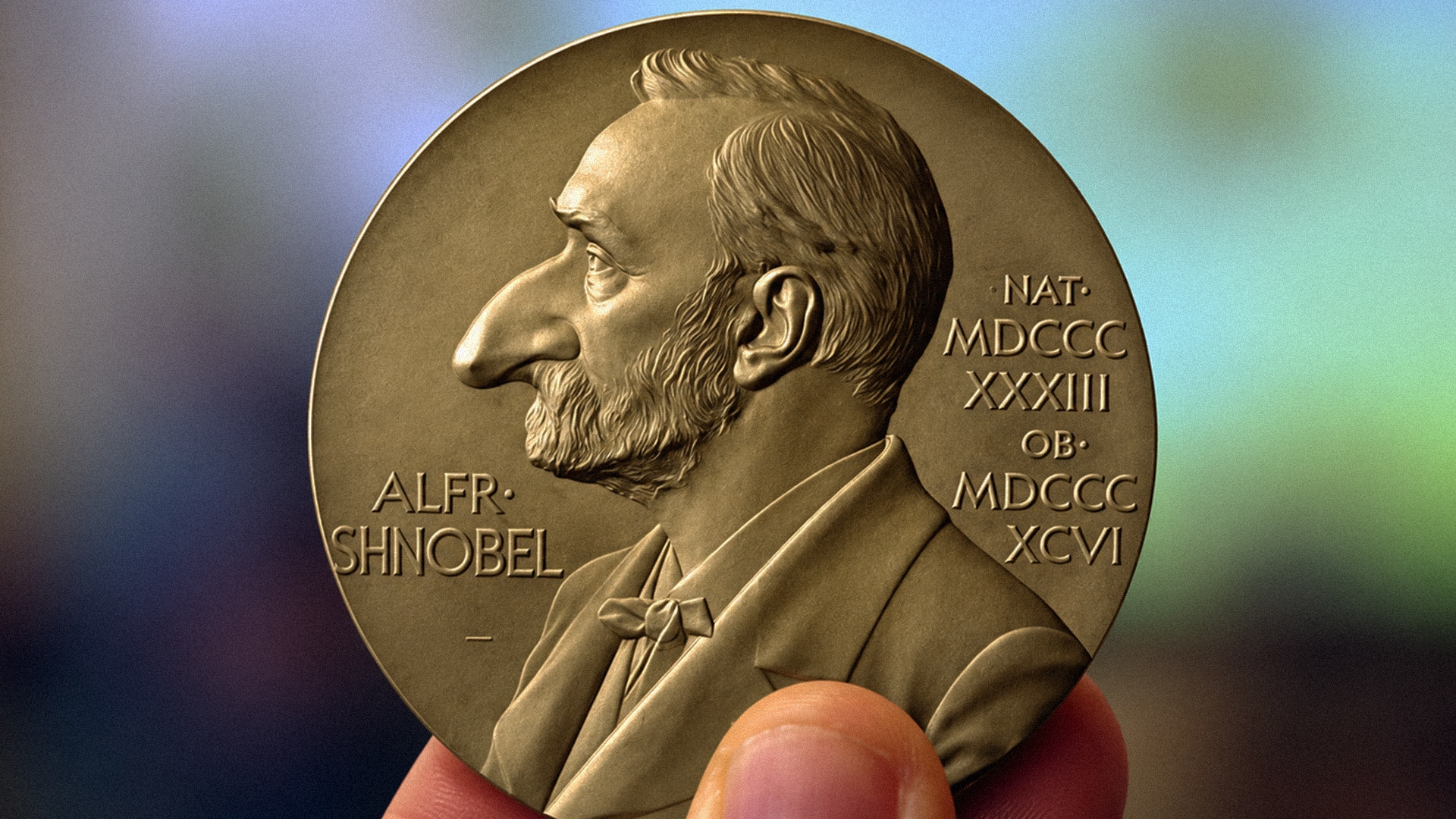
In 2026, scientists studied kissing, urinal splashback and cockroach milk proteins, and even tested soil quality using underwear. Kursiv LifeStyle reviewed the winners of the 36th Ig Nobel Prize, the annual award celebrating unusual and unconventional scientific research, which were presented in Zurich.
The Ig Nobel Prize in economics was awarded to psychologists who studied the link between wealth and unethical behavior. The scientists found that wealthier people were more likely to disregard others’ interests in certain situations. For example, in driving experiments, they were more likely to cut off other cars and less likely to yield to pedestrians. In another experiment, wealthier participants took almost twice as much candy that had been set aside for children.
The physics prize was awarded to researchers at the University of Waterloo for theoretical and experimental work on designing a splash-free urinal. Their experiments showed that splashback could be dramatically reduced by controlling the angle at which the stream hits the surface. Based on their findings, the researchers proposed designs intended to minimize splashing.
Researchers from the University of Oxford won the biomechanics prize for their attempt to define a kiss scientifically. They proposed defining kissing as a non-aggressive interaction involving mouth-to-mouth contact between members of the same species, accompanied by movement of the lips or other mouthparts and without the transfer of food. Simply put, the scientists broke down an ordinary kiss into a set of scientifically measurable characteristics.
Read also: Ig Nobel Prize goes to Japanese researchers for painting stripes on cows
Brazilian scientists won the biology prize for studying the defensive behavior of venomous snakes. Wearing protective boots, they carefully stepped on different parts of the animals’ bodies to determine which stimuli were most likely to trigger a bite. They found that the snakes responded particularly strongly when pressure was applied to the head. The paper, published in Scientific Reports, was later retracted due to a lack of required ethical approval for the animal experiments.
The chemistry prize was awarded to an international team of scientists who studied milk-protein crystals produced by a certain species of cockroach. The researchers found that the proteins contain roughly three times as much energy as cow’s milk proteins. Their high nutritional value is associated with the unusual crystalline structure in which the nutrients are stored.
A separate Ig Nobel Prize in soil science went to Swiss researchers behind a project that involved burying identical cotton underwear and digging them up two months later. The faster the cotton decomposed, the greater the biological activity in the soil.
Another award, the technology prize, went to researchers who pioneered the use of mosquito proboscises as high-resolution nozzles for 3D printing. They called the technique «necroprinting.»