


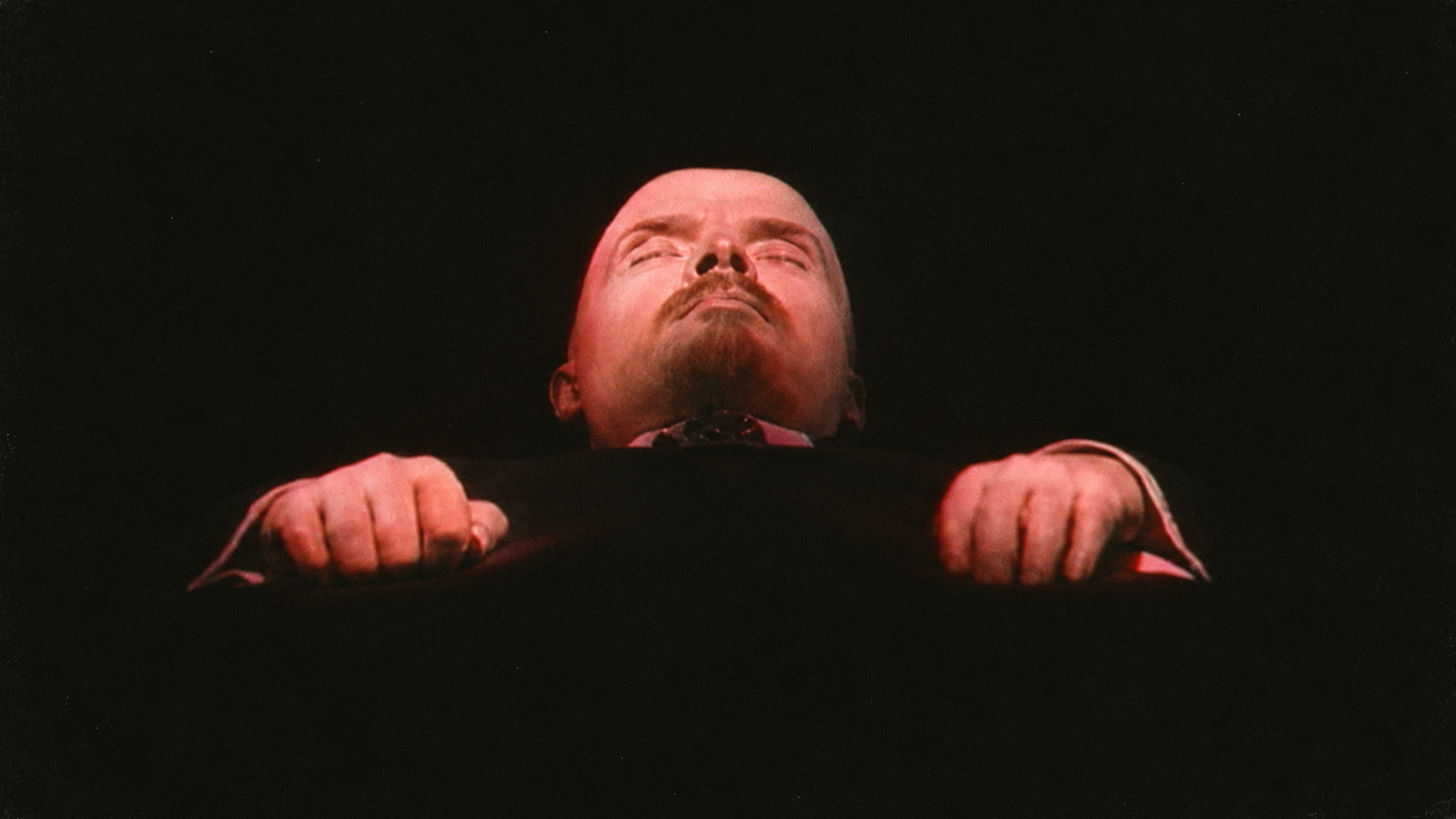
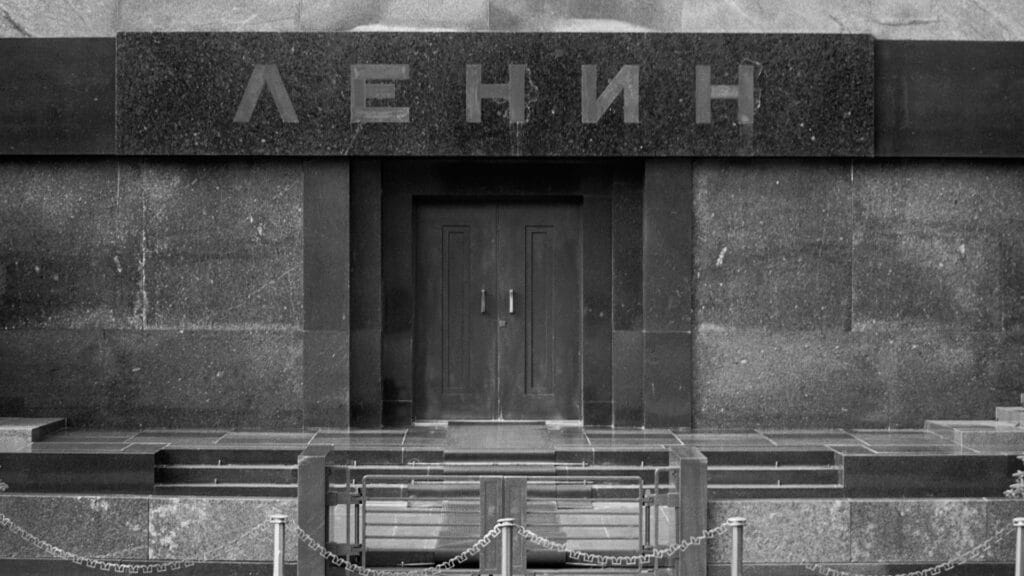
Little of Vladimir Lenin‘s original biological tissue remains in his body, which has been on display in the Mausoleum on Moscow’s Red Square for more than a century. According to experts, original tissue accounts for less than a quarter of its total volume, with the remainder consisting of chemical compounds and synthetic materials.
Lenin’s body has been kept in the Mausoleum since 1924, and specialists have repeatedly carried out preservation procedures over the decades. Vasilisa Kuznetsova, a thanatopractor (a specialist in preparing bodies for burial), says the remains are now more like a complex, biologically based museum exhibit than an ordinarily embalmed corpse.
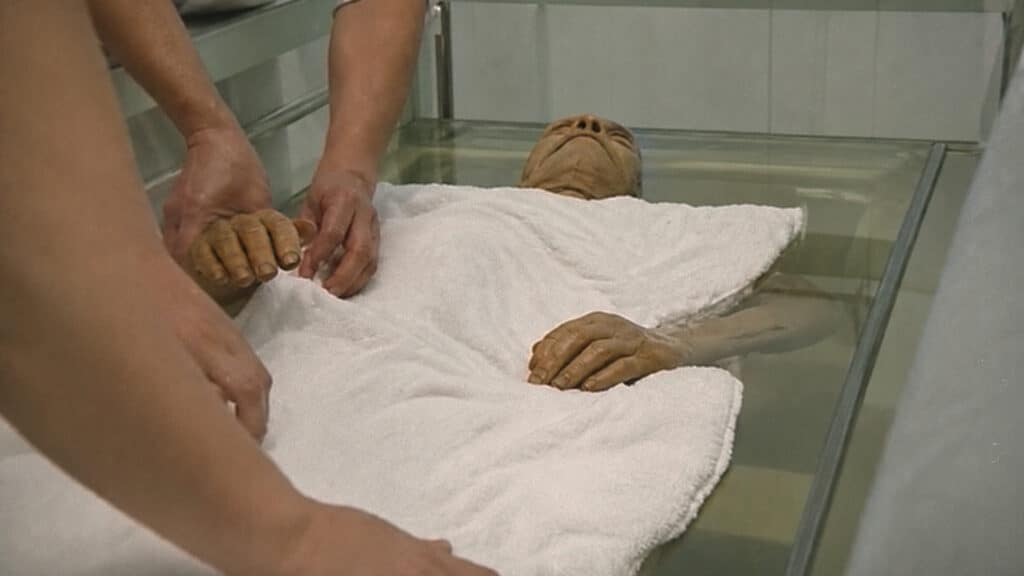
«Only about 20% to 23% of the original, ‘authentic’ tissue remains. The rest consists of chemical agents absorbed over the years, along with wax ‘patches’ that have been applied for decades to preserve the body’s familiar shape,» Kuznetsova said.
Why the body cannot simply be buried
According to Kuznetsova, it is no longer possible to simply remove Lenin’s remains from the Mausoleum and bury them. A sudden change in storage conditions could have unpredictable effects on both the remaining tissue and the surrounding environment.
«If the body were suddenly buried, a chaotic process would begin: groundwater would leach out the chemicals, while the tissues might not undergo normal decomposition. Instead, they could turn into adipocere (grave wax) or simply become covered in mold,» she said.
Kuznetsova added that obtaining viable genetic material from Lenin’s remains is now virtually impossible because a century of exposure to chemical compounds has damaged the DNA.
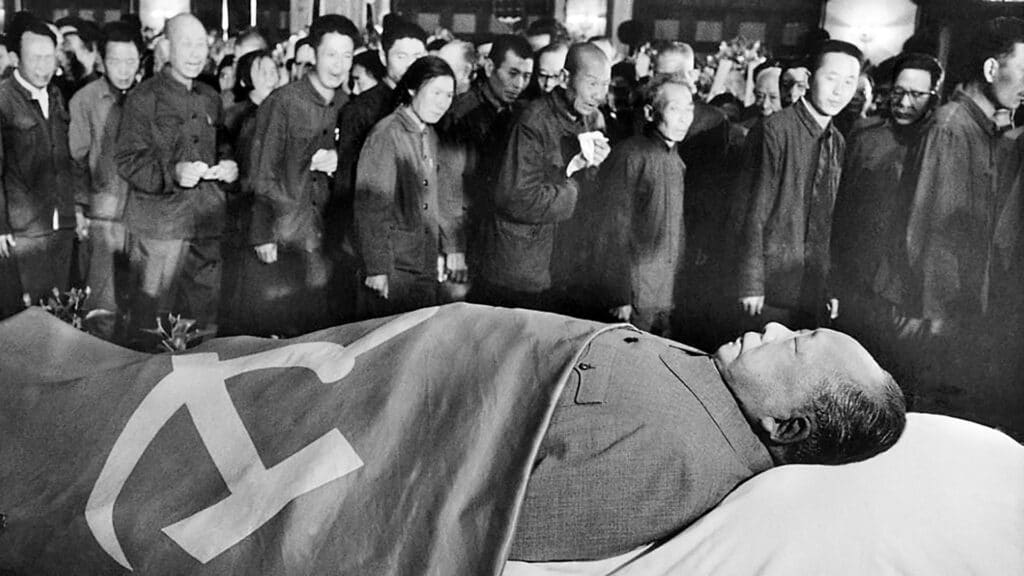
Read also: Secrets of Mao’s last days: From embalming to his destructive legacy.
Lenin’s death and preservation
Lenin died on Jan. 21, 1924, at the Gorki estate near Moscow, at the age of 53. In the final years of his life, he suffered from serious health problems, including several strokes. According to the official medical report, the cause of death was a cerebral hemorrhage resulting from atherosclerosis.
Following his death, Lenin’s body was embalmed and placed in a mausoleum on Red Square in Moscow, where it remains on public display.
