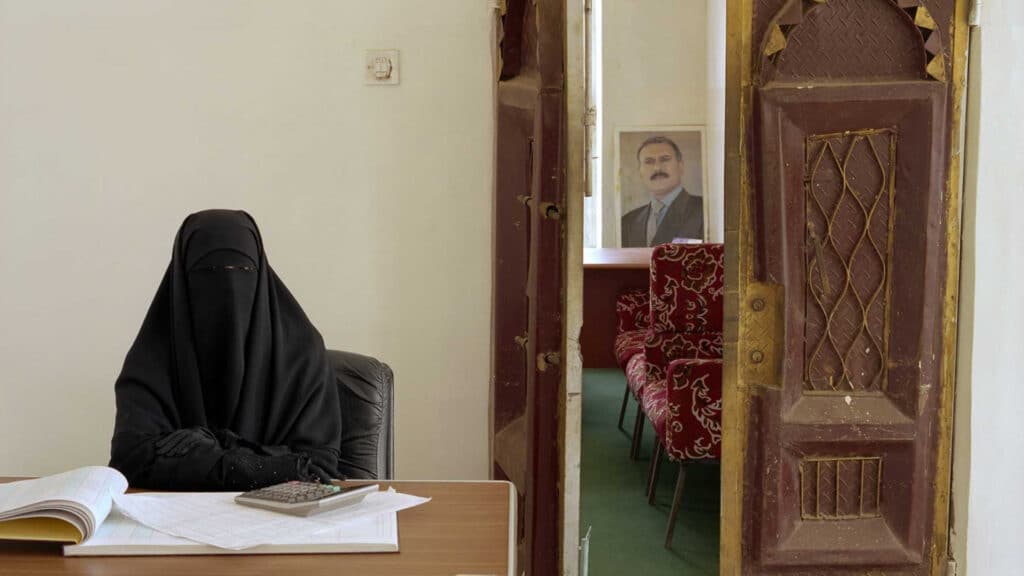
In some parts of the world, eye contact is a sign of confidence and trust. In others, it can be seen as intrusive or even disrespectful.
A recent ranking by World Population Review highlights how attitudes toward eye contact differ across countries, noting that avoiding direct gaze is more common in parts of Asia and Africa, while it is generally expected in Western societies.
Respect and hierarchy shape behavior
In Japan, prolonged eye contact may be interpreted as confrontational, particularly in formal or professional settings. Similar expectations exist in South Korea, where avoiding...