


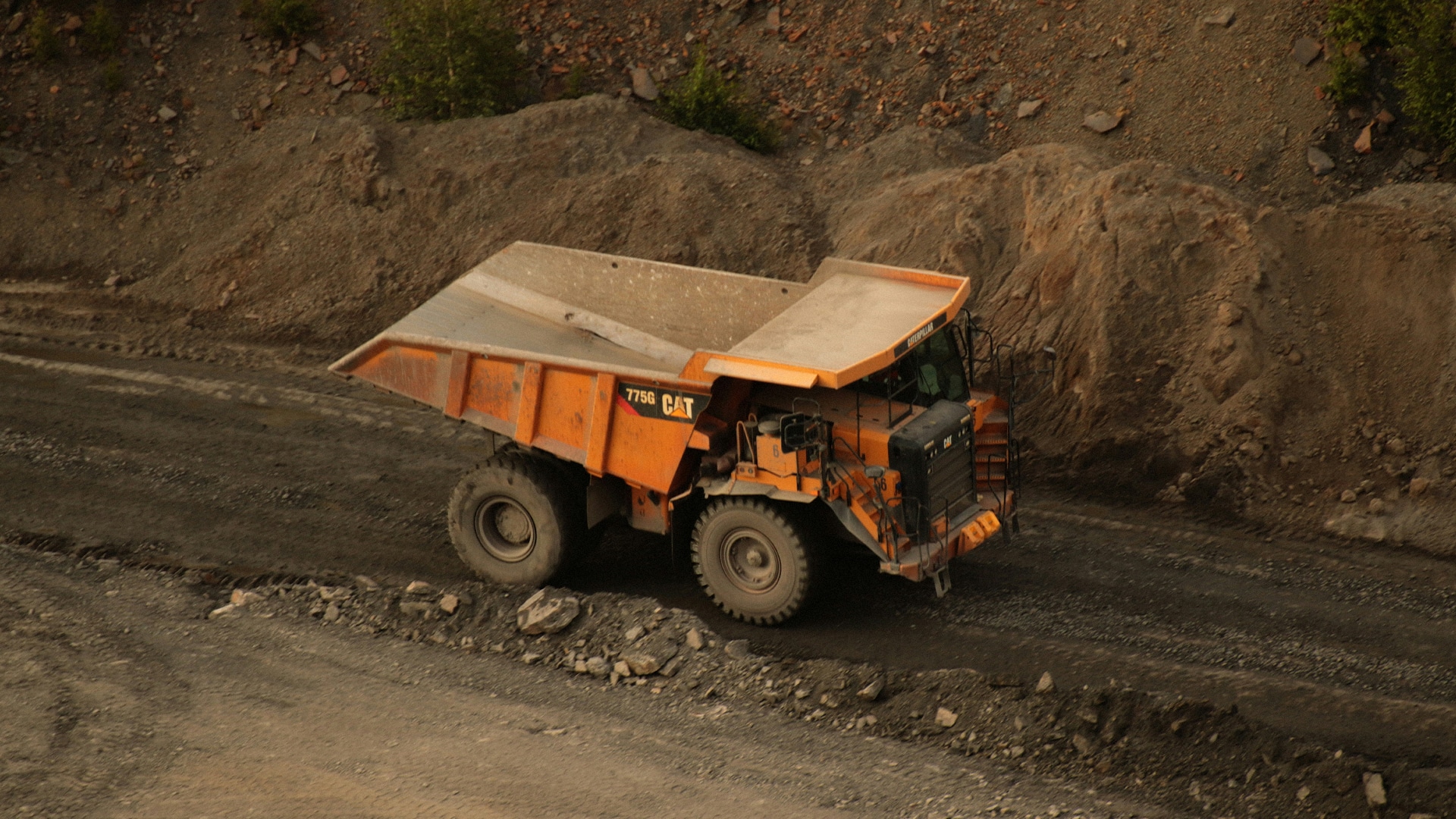
Two U.S. government-backed financial institutions — the Export-Import Bank of the United States (EXIM) and the U.S. International Development Finance Corporation (DFC) — are not yet ready to approve $1.6 billion in financing for Cove Kaz Capital’s tungsten project in Kazakhstan. According to Bloomberg, which reported on the matter in an article highlighted by economist Arman Batayev, lenders have concerns about the project’s commercial prospects and geopolitical risks, including Kazakhstan’s proximity to China and Russia.
The project has the backing of U.S. President Donald Trump’s administration, which is seeking to reduce American dependence on Chinese tungsten supplies. The metal is considered strategically important and is used in defense applications, including the production of missiles and artillery shells, as well as in various industrial technologies.
Read also: Trump sons buy major stake in tungsten deposit from Kazakh fund.
The proposed financing package consists of two parts: $900 million from EXIM and $700 million from the DFC. Both institutions have issued letters of interest indicating potential support for the project. However, these documents represent preliminary expressions of interest and do not constitute binding financing commitments.
A DFC representative told Bloomberg that the agency is not currently reviewing the proposed transaction. The Cove Kaz Capital project remains in the first of four stages of the DFC’s evaluation process. Meanwhile, EXIM’s letter of interest expired in August, and the company has requested an extension. The bank declined to comment.
Cove Kaz Capital maintains that the U.S. government continues to support the project. Company Chairman Pini Althaus said a formal financing application would be submitted after the definitive feasibility study is completed in 2027. He added that the company does not currently need borrowed funds.
How the project is linked to the Trump family
Despite uncertainty surrounding U.S. government financing, Cove Kaz Capital is continuing preparations for a public listing. On Nov. 2, the company announced plans to list directly on a major U.S. stock exchange under the name Kaz Resources, targeting the first half of 2027.
Read also: Tungsten deposit sale to US nets billions for Samruk-Kazyna unit.
The announcement also disclosed a new $32 million capital commitment from an American investment vehicle. The funding, at $8 per share, implies an equity valuation of approximately $1.97 billion — a 76% increase over the company’s previous valuation.
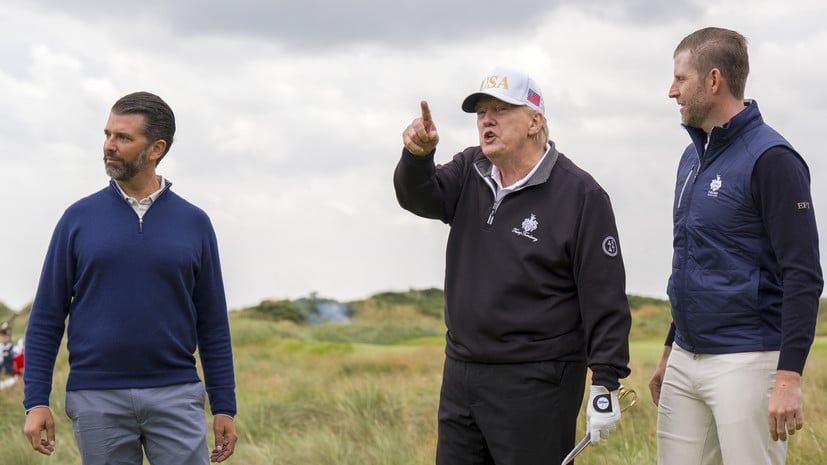
According to The Wall Street Journal, the investment vehicle is linked to Donald Trump’s sons, Donald Trump Jr. and Eric Trump. The brothers are expected to hold an indirect stake of less than 1% in the business. A representative for the brothers said they have no role in its management. The company has also denied their involvement in the execution of the Kazakhstan project.
Kaz Resources expects to begin supplying tungsten to U.S. customers under long-term contracts once production gets underway, with initial output targeted for 2031.
Details of the tungsten project
Kaz Resources’ main asset in Kazakhstan is its 70% stake in Severny Katpar LLP, the joint venture developing the Northern Katpar and Upper Kairakty tungsten deposits in the Karaganda region. The remaining 30% is owned by Kazakhstan’s national mining company, Tau-Ken Samruk, a subsidiary of sovereign wealth fund Samruk-Kazyna.
In May 2026, Cove Kaz Capital completed the acquisition of its controlling stake in the joint venture. The transaction was valued at $114.8 million.
According to the company, the two deposits together could eventually account for approximately 15% of global tungsten mine production once the facilities reach their planned capacity.
The company is currently conducting a definitive feasibility study for the project and expects to begin production in 2030.
Kaz Resources had previously planned to enter the Nasdaq market through a merger with Hong Kong-based Skyline Builders Group. However, on Nov. 2, the companies announced that they had mutually terminated their business combination agreement. Cove Kaz Capital now intends to pursue a direct listing on a major U.S. stock exchange in the first half of 2027.
