
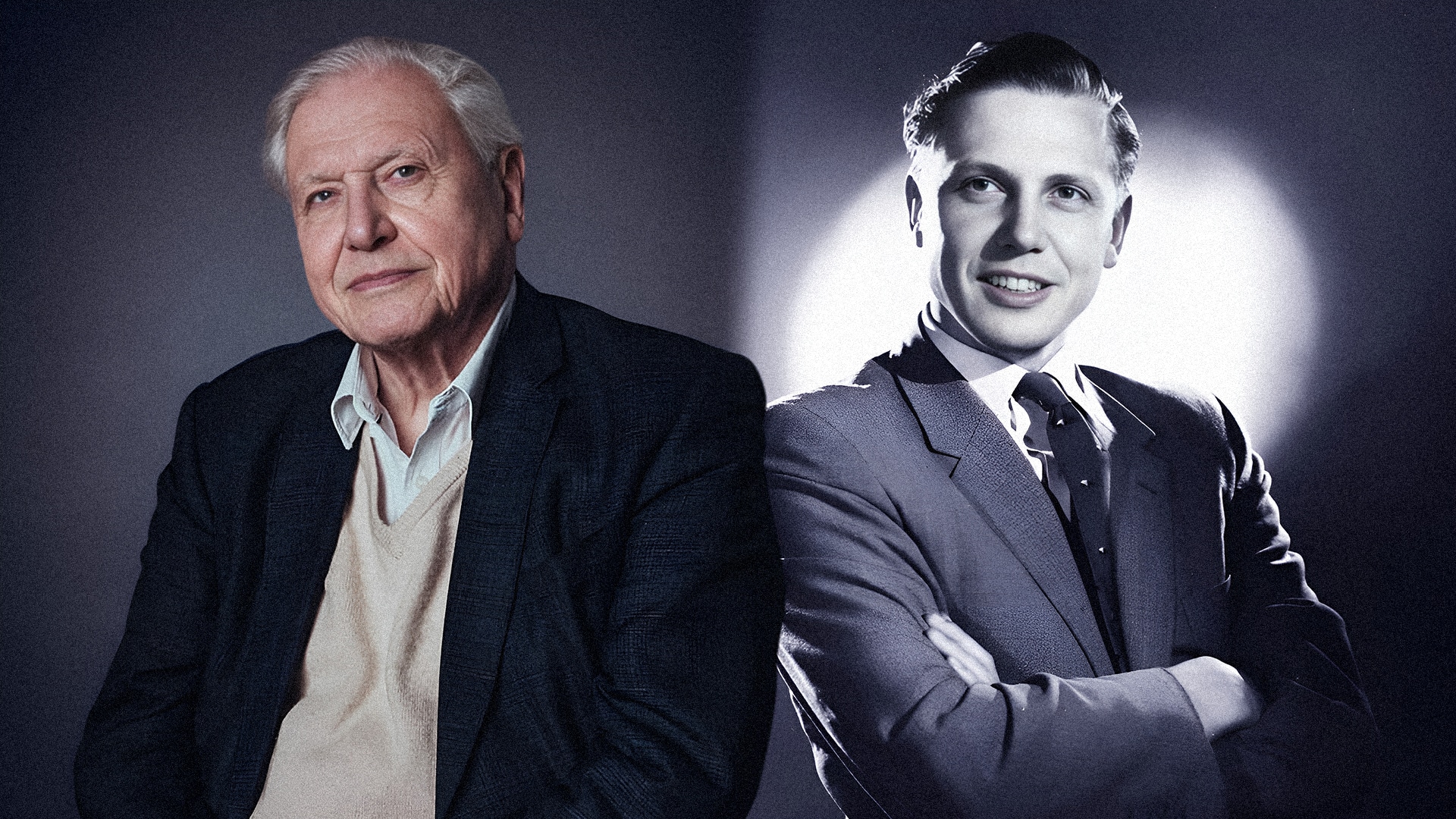
Sir David Attenborough has just turned 100, marking a career that has developed alongside the rise of modern television. For many years, he has played a major role both in front of and behind the camera, helping shape the BBC and bringing the beauty of nature to audiences around the world, The Guardian reported.
Attenborough joined the BBC in the early 1950s, when television was becoming more common. He started out producing shows like «Coelacanth» and soon began appearing on screen. His first wildlife series, «Animal Patterns,» marked the beginning of his long journey in nature broadcasting.
He gained fame with «Zoo Quest,» a show that followed journeys to collect animals for the London Zoo. The series was a big hit, making Attenborough a household name. It also shaped his later work by mixing science with engaging stories.
Attenborough also made a strong impact behind the scenes at the BBC. As controller of BBC Two in the 1960s, he helped create a new identity for the channel and played a key role in introducing color TV to the U.K., beginning with the coverage of Wimbledon. Later, as director of programs, he oversaw content for all BBC channels and approved many important shows.
After stepping down from management, he returned to making programs, now focusing on major natural history series. «Life on Earth,» which first aired in 1979, was a groundbreaking show filmed in many locations and involving hundreds of scientists. It set a new standard for wildlife documentaries and helped grow the BBC’s Natural History Unit.
He maintained this style in later series such as «The Living Planet» and «The Trials of Life,» which employed new filming techniques and focused on animal behavior. Over the years, his shows increasingly focused on the environment, warning about how people affect the planet and the dangers of ecological harm.
Attenborough’s career has always embraced new technology. From early color TV to high-definition and 3D filming, his shows have used the latest tools to reveal parts of nature that people had never seen before. Series like «The Blue Planet» and «Planet Earth» introduced viewers to rare environments and animals. Recent projects, such as «Wild Isles» and «Planet Earth III», show his continued dedication to wildlife storytelling and highlight today’s environmental challenges.
In short, over his long career in broadcasting, Attenborough has done more than simply document nature. He has transformed how the natural world is shown on television, leaving a lasting impact on documentary filmmaking.