
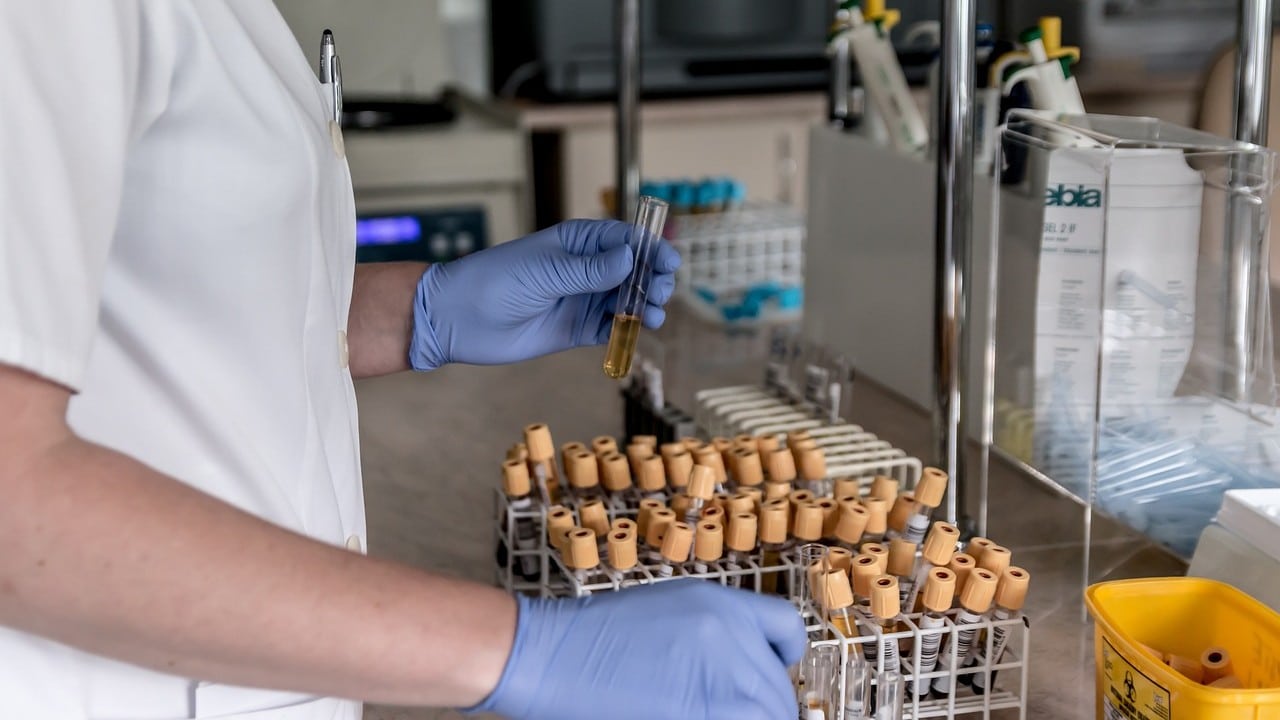
Russian researchers have developed an experimental drug designed to protect healthy tissue during radiation therapy, according to Andrey Kaprin, director general of the National Medical Research Center of Radiology under Russia’s Ministry of Health, RIA Novosti reported.
Designed to protect healthy tissue
Kaprin, Russia’s chief oncologist, said the drug is intended to reduce the harmful effects of ionizing radiation on healthy cells while allowing radiation therapy to remain effective against tumors.
«One promising area involves the development of a radioprotective drug designed to reduce the negative impact of ionizing radiation on the body,» Kaprin said. «Such agents are particularly in demand in radiation therapy, where our goal is not only to maximize the treatment’s effectiveness against tumors but also to protect healthy tissue.»
Early results show promise
According to Kaprin, the drug is currently undergoing evaluation. While the research remains at an early stage, preliminary findings have given researchers cautious optimism about its potential.
He did not provide details on the stage of clinical testing or a timeline for possible approval.
Broader advances in cancer treatment
Kursiv.media previously reported that Chinese regulators approved the commercial use of CARsgen Therapeutics’ Satri-Cel therapy for the treatment of gastric cancer. CAR-T therapy works by genetically modifying a patient’s immune cells to recognize and attack cancer cells.
Separately, Kazakh researchers have reported encouraging early results from trials of an experimental anticancer drug developed in Kazakhstan. According to Dos Sarbassov, vice president of Kazakhstan’s National Academy of Sciences, tumor growth stopped in six trial participants, while one patient experienced tumor shrinkage during the initial phases of the study.
Read also: Kazakhstan’s homegrown cancer drug faces new delays.