
How Digitalization Saved Freedom Insurance $14 Million in One Year
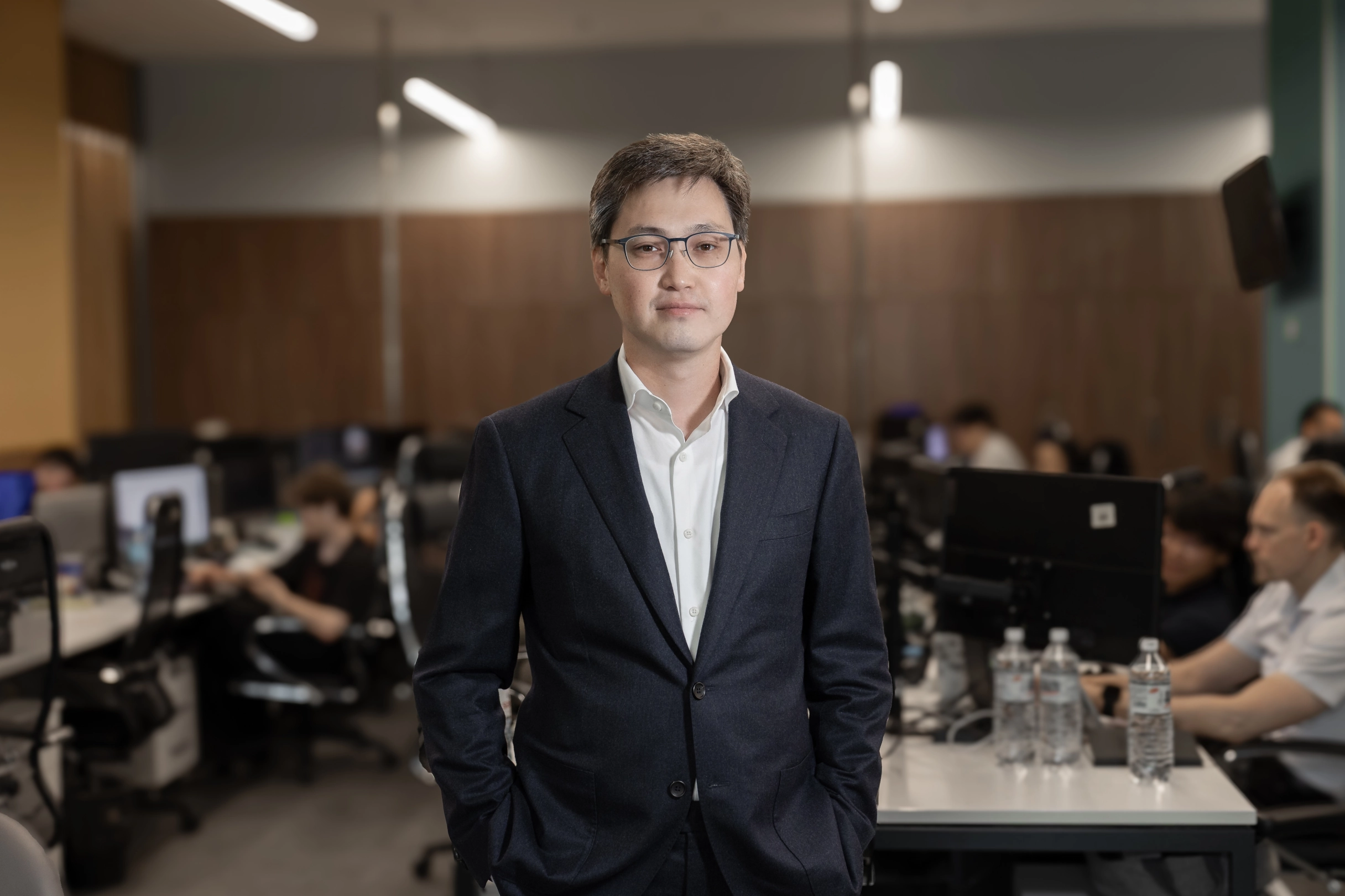
Freedom Insurance has grown nearly tenfold in five years, offset billions in auto insurance losses through digitalization and is now preparing to launch an insurance marketplace. In an interview with Kursiv.Media, Freedom Insurance CEO Azamat Kerimbayev explained how artificial intelligence (AI) assesses vehicle damage from photos and why he created his own digital twin “AIzamat.”

What role does the insurance business play within the Freedom ecosystem? What does it bring to the holding company beyond financial results?
In the past, our company was viewed mainly as a lead generator. That role is now being redefined. Over the last five years, we’ve grown eight- to tenfold and brought more than a million clients into the holding company’s ecosystem. Today we don’t just bring people in — we offer them a wide range of services through our SuperApp. Insurance isn’t just about selling a policy; it’s about resolving problems quickly after an accident. These services help us retain clients within the ecosystem and maximize their lifetime value (LTV).
In February, you said Freedom Insurance’s goal was to capture 25% of the market by 2030. Are you still on track?
We doubled our annual growth through 2025 and currently hold about 15% of the market. The 25% target still stands, but sustaining that pace is objectively harder now. Our growth rate slowed, as expected, in 2026. Further growth will have to come from new, unique products and from entering underserved market segments.
Which products are driving the most growth right now?
Our portfolio is diversified. Compulsory auto insurance makes up less than 20% of it, financial loss insurance accounts for 15%, and voluntary lines — medical, property and liability — each account for about 10%. We’re not dependent on compulsory insurance lines. We’ve built that resilience through multiple distribution channels: direct online sales via the SuperApp, partner integrations through our API, a traditional branch network and participation in the international reinsurance market.
Internally, which metric matters most: premiums, market share, profitability or LTV?
We balance all of them. We have three core objectives: growing market share through sales, maintaining profitability so we can replenish capital in line with regulatory requirements and retaining clients within the ecosystem to increase LTV. The emphasis shifts from time to time, but over the medium term we develop all three in parallel.
The non-life insurance market came under pressure in the first quarter of 2026. How are you navigating that?
This is the first market decline we’ve seen in five to 10 years. The main driver is CTPL, which has become highly unprofitable. In response, the market scaled back its sales channels, making policies harder to buy. Of Kazakhstan’s roughly 6 million registered vehicles, about 25 to 27% went without insurance. We’ve raised this with the regulator, and rates will be revised upward in July or August. We expect the market to stabilize by year-end.
In property insurance, natural disasters around the world caused major reinsurance risks assumed in Kazakhstan to materialize. That’s simply a normal part of doing business.
CTPL is a loss-making product. Where do you draw the line between “growing market share” and “growth that’s no longer economically rational”?
The CTPL market is extremely unprofitable. The payout-to-premium ratio reaches 170%. Our ceiling in the CTPL market is around 30% to 40%. Our DTP.kz platform helps us manage that burden. The investment has paid off 14 times over: in 2025 alone, we saved $14 million on claims by cutting out intermediaries. Our average claim payout runs 130,000 tenge lower than the industry average.

What’s the current state of DTP.kz? Is claims processing getting faster?
We no longer handle physical case files — 100% of claims go through DTP.kz. In early 2026, we hit an industry record of 5,000 payouts in a single month. Team efficiency has jumped dramatically: in 2024, one specialist processed 31 claims a month; now that figure is 87. Clients no longer need to bring us paper documents. We pull the necessary information directly from government databases. They inspect their own vehicles through the app, and our AI reviews the photos and video to assess the damage and automatically generate an appraisal report. About 70% of payouts are processed within 30 days.
What stage is the SuperApp insurance marketplace at right now?
We expect the new insurance law to pass by year-end. The infrastructure and government database integrations are already built. As soon as the legal framework is in place, we’ll launch a marketplace where clients can compare and choose products from different insurers on a single platform. Several insurers have already signaled they’re ready to participate.
You’ve talked about offering car repairs instead of cash payouts. What’s the main obstacle?
The core issue is the economics of auto repair shops. Repair labor has thin margins, so shops rely on selling parts to make money. Kazakhstan doesn’t yet have repair-shop networks with integrated parts suppliers. We plan to address this through our Freedom Auto ecosystem project. Once that financial model is in place, customers will be able to have their cars repaired directly instead of receiving a cash payout.
What new products might we see in the coming year?
We plan to launch cyber insurance by 2027. First, we need to consolidate the holding company’s expertise in data centers and cyber investigations. Our nearer-term focus is parametric insurance. We’ve already piloted flight-delay insurance for international flights and rolled it out for domestic flights in July.
The second area is smart agricultural insurance. Using satellite imagery, our AI models can identify which crop is planted in a given field with 95% accuracy, and the whole process is fully digital. This addresses one of farmers’ biggest problems — a lack of collateral — since the policy itself can serve as security for a bank loan.
Picture Freedom Insurance five years from now. Will it be an insurance company or an IT platform?
Our back office already employs around 100 IT specialists, data scientists and AI engineers. We’re essentially more of an IT company than a traditional insurer at this point. In five years, our insurance license will still be the core platform through which we assume risk, but it will be wrapped in a much larger IT platform with API integrations and AI solutions.
What products are you planning to bring to Central Asian and other markets?
As the holding company expands through its banking licenses, we’ll enter Tajikistan, Uzbekistan and Armenia with the DTP.kz platform and its AI-powered damage-assessment module. Our second product with strong export potential is agricultural insurance, which can be scaled relatively easily thanks to international reinsurance.
DTP.kz, by the way, isn’t a single-company platform anymore. Nine Kazakhstani insurers now use it to combat fraud.
By 2027, we want half of all claims under 1 million tenge to be approved entirely by AI, with no human involvement. The algorithm would independently assess the damage, price out the parts and offer the client a settlement, driving operating costs on those claims to zero.
Does your team lean more toward insurance professionals or IT specialists?
It’s a hybrid. Our traditional agency network generates the margins we reinvest in development. At the same time, that traditional business is fully digitized — 100% electronic document management, direct integration with government databases. Our sales teams are twice as efficient as the market average, and our administrative costs run well below it.
When hiring, what matters more: insurance experience or the ability to adapt quickly?
A solid grounding in insurance still matters most. It’s a specialized, heavily regulated business. A startup mentality is great, but efforts to disrupt our processes can’t lead to chaos. We have an obligation to stay transparent and legible to external institutions.
What principles do you try to instill in your team?
Competence comes first. Someone can be difficult to work with, but if they’re truly skilled, we’ll find a way to make it work. Culture comes second. As the company grew, we brought together people from very different corporate backgrounds, so we launched the “Freedom DNA” project and defined three core values: leadership, innovation and accountability for results. Today, our employee Net Promoter Score (eNPS) consistently sits at 80%, and turnover is minimal.
What’s the most interesting part of your job right now?
The challenges. Insurance can look boring from the outside, and I want to change that perception. My own path here was a bit unusual. Most people move from sales into management, but I came up through analytics and actuarial work, and later worked on AI scoring models. That combination gives me a systems-level view and helps me come up with new ideas for the market.
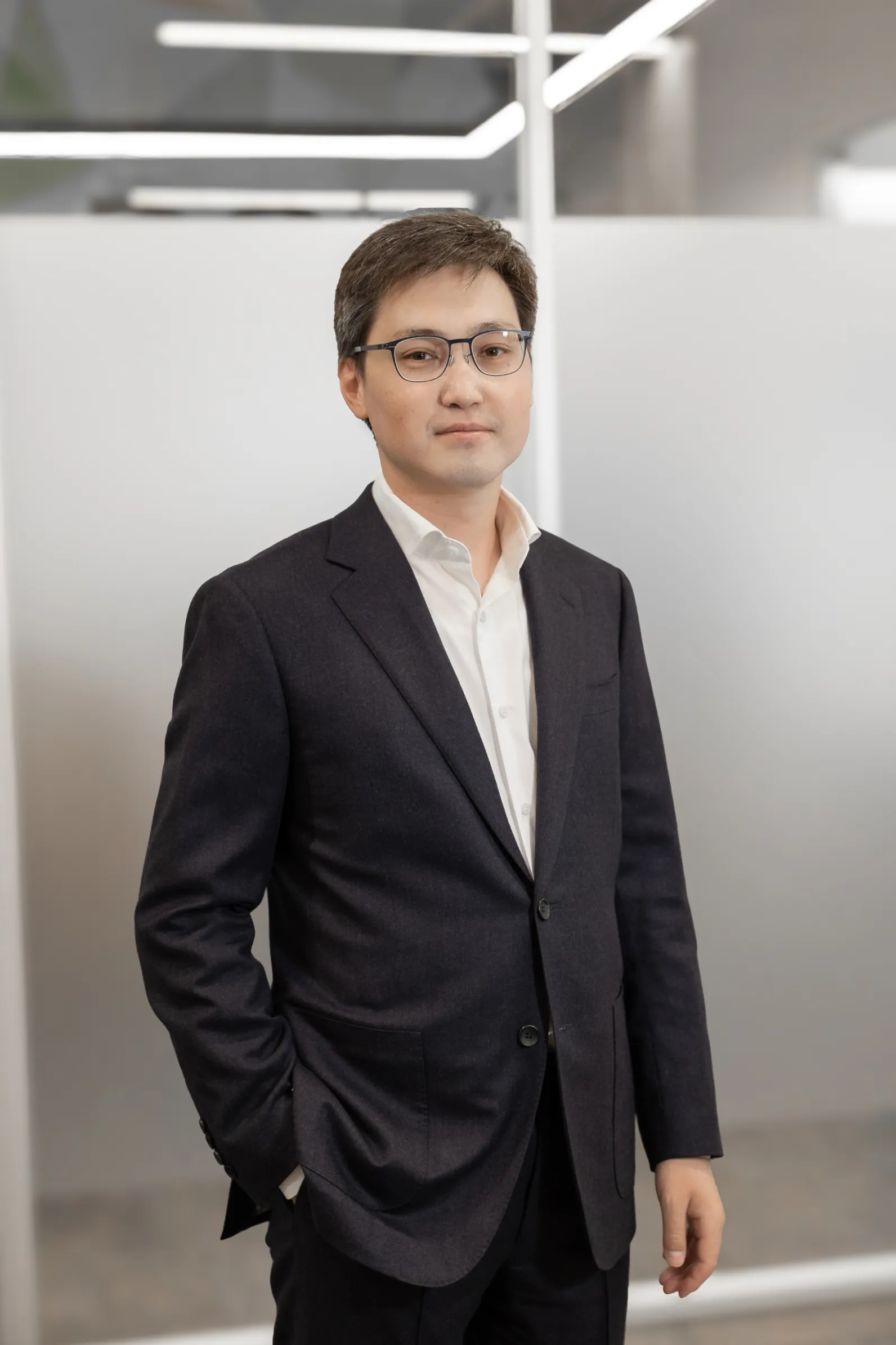
How do you manage operational stress?
The key is trusting the team. I don’t get involved in my senior managers’ day-to-day work. But I do stay close to clients. Every day, I read the complaints and thank-you messages that come in through the “Write to the Chairman” button on our website. If 15 complaints come in on a given day, that’s a signal that something in the system is broken, and it’s time to dig in.
How do you unwind?
It’s almost impossible to fully disconnect from work. For the first couple of years, I found myself thinking about work even on vacation. Now I just change my surroundings: I might work from the mountains or the coast for a while. Exercise helps too; regular physical activity lets my body recover and helps me refocus.
Any personal hobbies?
I love woodworking. I still use furniture at home that I built myself. Working with my hands is a great way to clear my head. I also love taking long walks through new cities when I travel. It gives me a fresh perspective.
What professional habit has become part of your everyday routine?
Collecting data. Every morning I start with the websites of the National Bank, the regulator and the Swiss Re Institute rather than the news. I review the statistics and track trends. It’s an analyst’s habit, honed to the point where it’s become second nature.
You run your own Telegram channel. How do you find the time?
As a CEO, it’s hard to write about everything; trade secrets and corporate ethics put real limits on that. I solved the problem with technology by building an AI agent called “AIzamat” and training it on 20 years of my own work and experience. It’ll be connected to my channel, so anyone can ask it about market dynamics or sales trends. The AI will collect statistics, generate charts and respond to users on its own. While I’m running the company, my digital twin will provide analytics.

Read also
Freedom Life chairman on AI, digital insurance and long-term planning

How Freedom Telecom is building telecom operator around financial ecosystem
From Drone Delivery to Healthcare of the Future: How Freedom Is Building Its Lifestyle Ecosystem
No Future for Standalone Banks. It’s Time for Ecosystems
When Rapid Growth Is Part of DNA: The Role of M&A in Scaling Freedom Holding Corp.
Lawyers must understand the business – not just the rules.
Compliance Is Not About Control. It's About the Infrastructure of Trust
How risk management works in the Freedom ecosystem
The key role of IT is to help business grow