China’s SpaceSail unveils bold plans to rival Starlink

China is expanding its presence in the satellite internet market through SpaceSail, a government-backed project aimed at challenging Elon Musk’s Starlink, The Guardian reported.
Officially known as the SpaceSail Constellation or Qianfan (Thousand Sails), SpaceSail was launched in 2023 by Shanghai Spacecom Satellite Technology (SSST). The project aims to provide high-speed, secure and reliable broadband internet services worldwide. Funding remains entirely domestic, with investment restricted to Chinese entities and organizations.
SpaceSail’s space ambitions
The company launched its first 18 satellites in August 2024 aboard a Long March 6A rocket, with two additional launches later that year, each carrying 18 additional satellites into orbit.
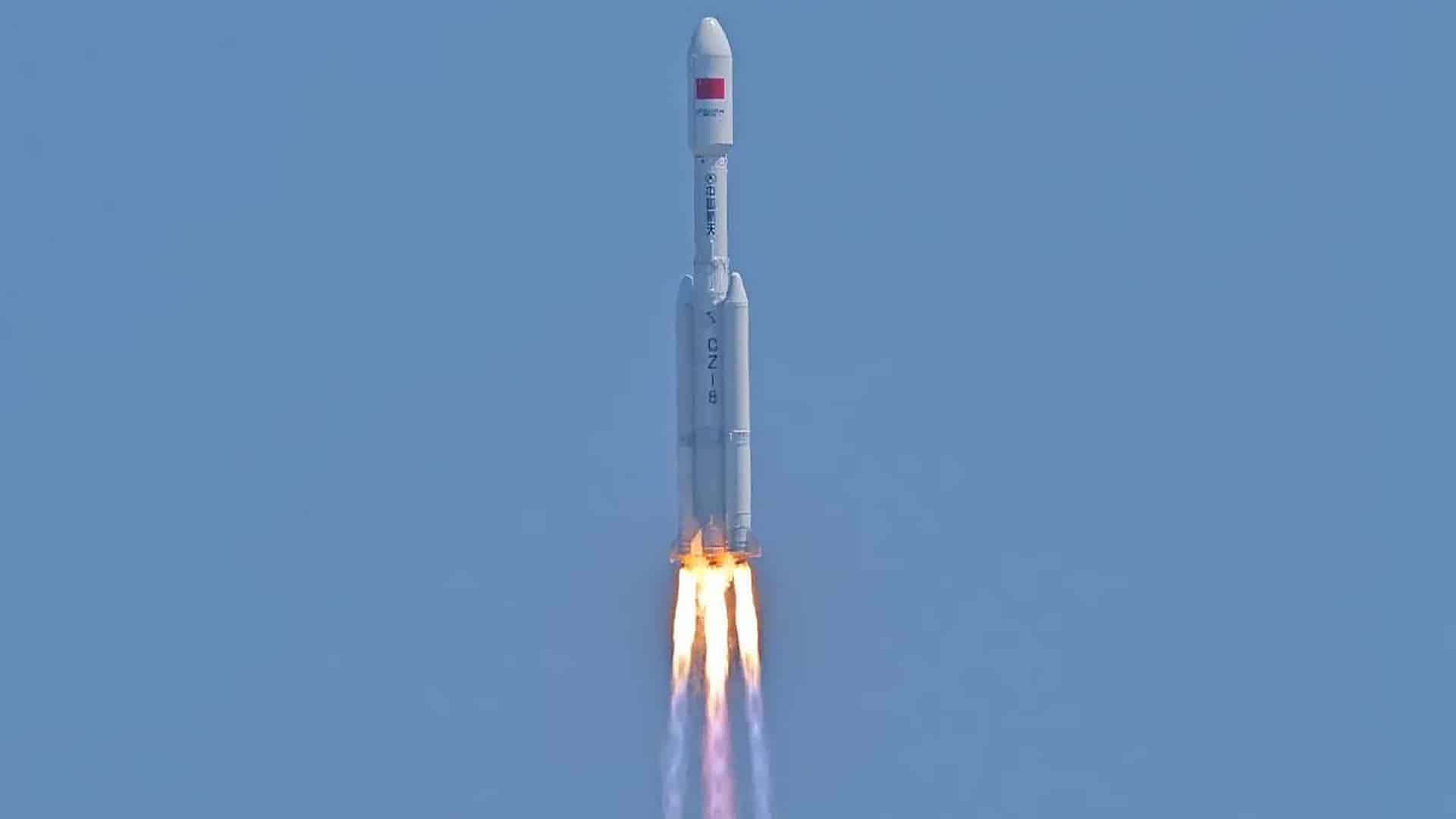
Following its 12th launch in June aboard a Long March 8 rocket, SpaceSail now has at least 200 active satellites in orbit — enough, the company says, to begin its first commercial application: maritime vessels tracking.
SpaceSail plans to expand commercial services by the end of 2026, when it expects to have 648 satellites in orbit. Long-term, the company intends to deploy more than 15,000 satellites, creating a network capable of providing global coverage.
Market focus
SpaceSail is targeting markets where Starlink has run into political or regulatory headwinds and where China’s growing international influence could work in its favor. It has already secured a major agreement in Brazil, whose government clashed with Musk over content moderation issues on X.
Still, Starlink remains the world’s dominant satellite internet provider, serving more than 12 million users across 160 countries and territories. Its constellation currently includes around 10,413 satellites, with plans to eventually expand that number to 42,000.